Browser Calling vs Telegram

Browser Calling vs Telegram Call Quality

Dial from your browser in seconds and pay a low per minute rate as you go. Nothing to install, and outbound calls need no phone number.

What you get

  • Outbound: Pay per minute, no dedicated number required.
  • Inbound: Add a US/Canada digital number ($2.14 to $5/month).
  • No apps: Runs in Chrome, Safari, Edge, Firefox.
Compare the Two
Browser Calling DemoReady
🌐

Side by Side

How Telegram app calls stack up against pay as you go browser calling over WebRTC with Intercalling.

Telegram Voice Calls

  • App-to-app only
    A call only goes through when both people are on Telegram. You cannot dial regular phone numbers on the PSTN.
  • Mobile-first optimization
    Adaptive codecs and bitrate scaling keep voice steady on cellular networks and in low bandwidth conditions.
  • End-to-end encryption for 1:1 calls
    One-to-one voice calls stay private end to end. Group calls may carry different encryption characteristics.

Browser Calling with Intercalling

  • Call real phone numbers worldwide
    WebRTC bridges to the PSTN through Twilio, so a single browser tab reaches landlines and mobiles in 190+ countries at transparent per minute rates.
  • HD audio with Opus codec
    Built on the Opus codec, WebRTC layers in jitter buffering, echo cancellation, and adaptive packet recovery to hold clear, high fidelity voice across desktop and mobile browsers.
  • Business features
    Virtual numbers, call recording, real-time analytics, and copilot assistance that surfaces transcripts and smart replies while a call is live.

Which one fits you?

For private app-to-app chats with contacts who already use Telegram and move around a lot, Telegram works well. When you need to dial regular phone numbers at low per minute rates, plug calling into your CRM, or lean on AI for transcription and assistance, browser calling with Intercalling is the better fit.

Network and Device Tweaks for Clearer Calls

A few small changes usually move the needle most, on Telegram and browser calls alike.

Go Wired or Use 5GHz Wi-Fi

A wired Ethernet link or a strong 5GHz Wi-Fi signal keeps jitter and packet loss down.

Shut Down Background Apps

Pausing big uploads, VPNs, or streaming during a call frees up CPU and network headroom.

Put On a Headset

A headset cuts echo and makes the audio sound noticeably cleaner to the other side.

Pick a Solid Browser

The latest Chrome, Edge, or Firefox give the strongest WebRTC performance. Mobile Safari handles WebRTC too, though a few features can be limited.

Do a Quick Test First

Before a customer or sales call, place a brief test call to check your microphone, speakers, and network.

What to Know About Security and Privacy

Telegram and WebRTC both encrypt voice in transit, yet the precise guarantees are not the same, which matters when the conversation is sensitive.

  • Encryption model
    Direct Telegram voice calls are encrypted end to end. WebRTC encrypts the link in transit between the endpoints and the media gateway. On top of that, Intercalling layers in authentication, access controls, and recordings that switch on only when the account owner allows them.
  • Data location and compliance
    Teams should confirm where call metadata and recordings live and check that those locations satisfy their regulatory obligations.

Why Pick Intercalling

  • Reach any phone number worldwide at low per minute rates
  • Real-time analytics plus optional call recording
  • and Copilot for live transcripts and on-call help

Want to hear it for yourself?

Create an account and dial a test call from your browser. Hear WebRTC audio, reach the PSTN, and try the AI features within minutes, all on pay as you go rates.
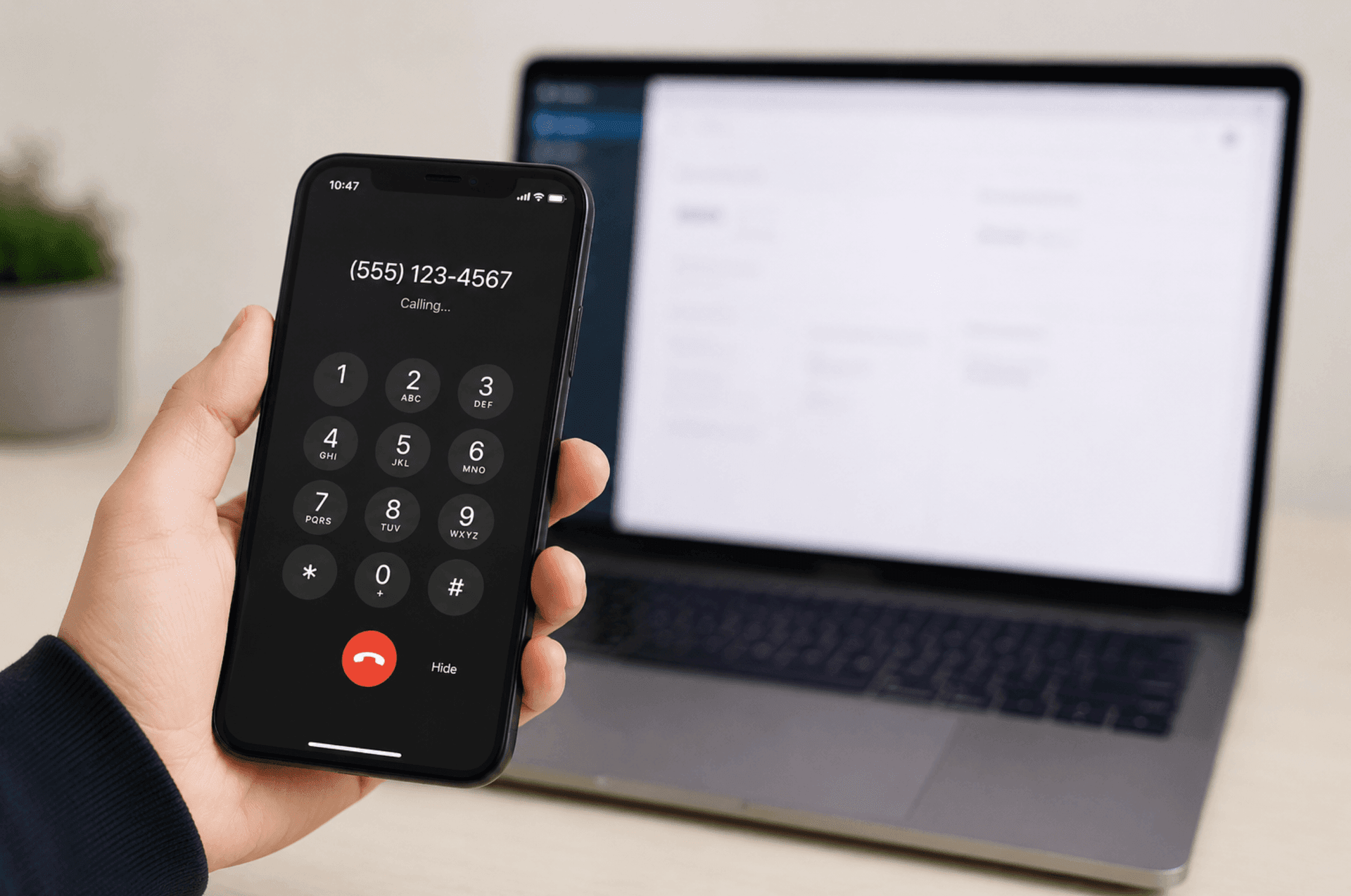
Making an international call from a laptop

Call from any browser

No app and no SIM. Place the call from your computer or phone in seconds.
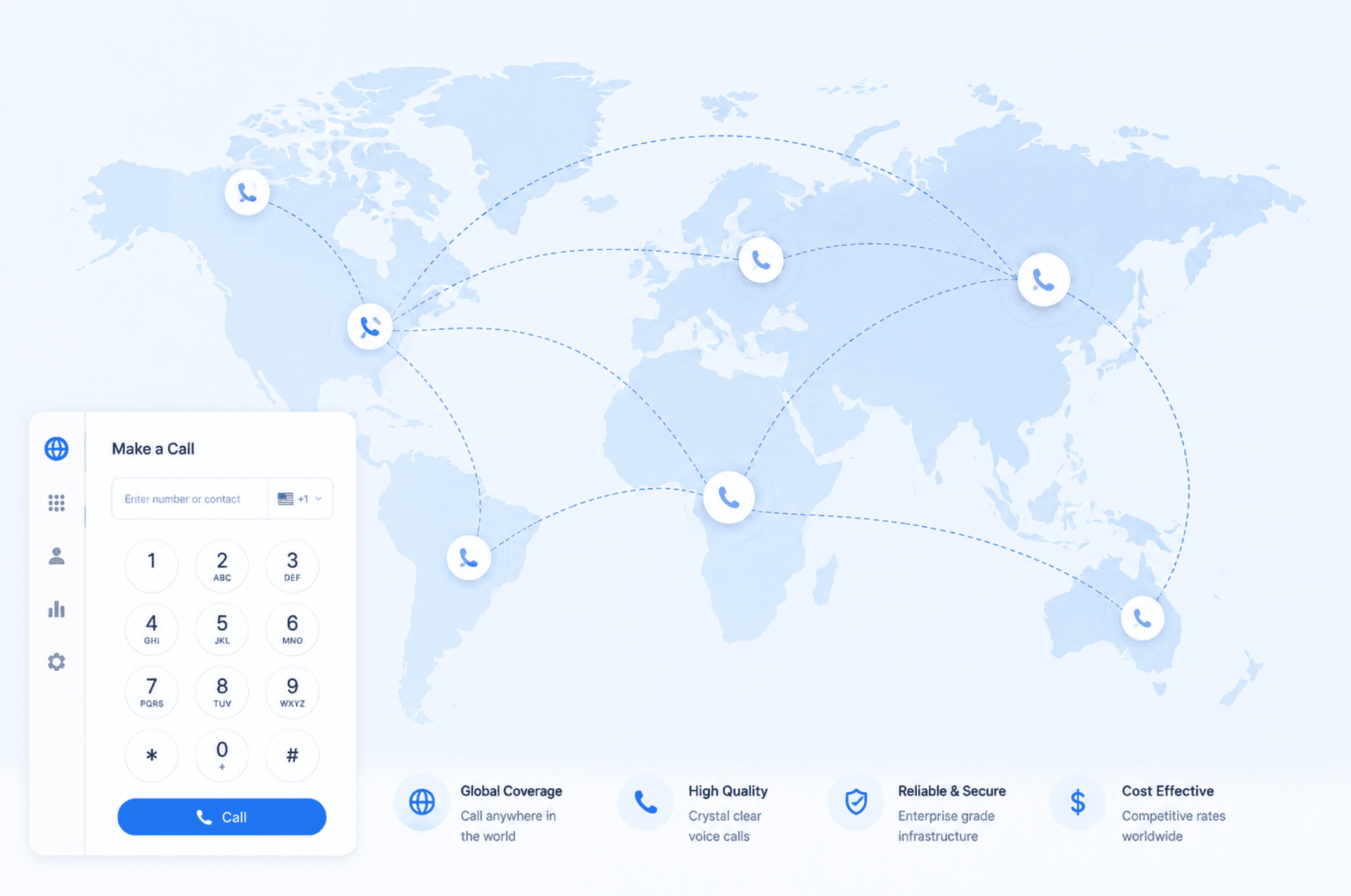
World map of Intercalling calling coverage

Low rates to 190+ destinations

Clear per minute pricing, shown before you dial. Pay as you go, no monthly fee.
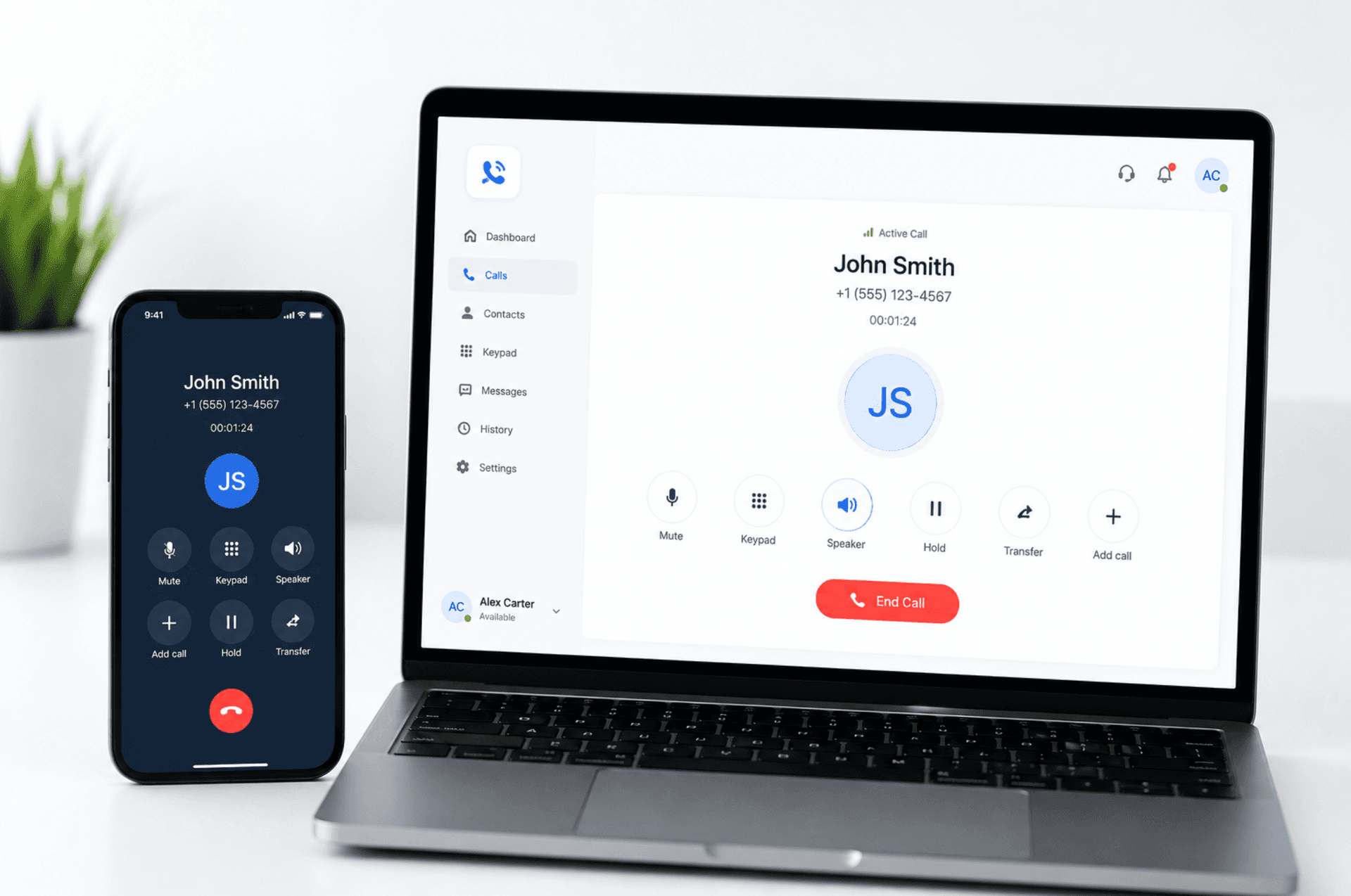
Calling from a phone and a laptop

One balance, every device

Start on your laptop, continue on your phone, all at the same low rate.

Telegram Call Quality vs Browser Calling: How They Compare

In short

Telegram voice calls run over the internet between two Telegram accounts, so quality depends on both parties having the app, a Telegram ID, and a stable data connection. Browser calling with Intercalling also runs over the internet but places real calls to ordinary phone numbers from Chrome, Safari, Edge, or Firefox, with no app and no SIM. If you only need to talk to other Telegram users, Telegram is fine. If you need to reach any landline or mobile number, browser calling is the practical choice.

Call quality: what actually drives it

Both Telegram and Intercalling carry voice over the internet, so the single biggest factor in clarity is your connection, not the platform. On a steady WiFi or LTE link, both deliver clean audio. Telegram uses an adaptive codec tuned for app to app calls and can sound excellent when both people have a strong signal. Intercalling connects your browser to the regular phone network, so on the recipient side the audio is whatever a normal phone call sounds like, which means consistent quality even if the person you are calling has no internet at all.

The key difference is reach. Telegram quality only matters when both parties are on Telegram. Intercalling does not require the other side to install anything or hold an account, because it dials a standard phone number directly.

When browser calling wins

Choose browser calling when you need to reach people who do not use Telegram, such as businesses, support lines, hotels, banks, or any landline. With Intercalling you open a tab, allow the microphone, and call. There is no app download, no SIM card, and outbound calls need no phone number of your own. Billing is pay as you go per minute, so you only pay for the time you talk.

Intercalling also adds end to end encryption and works well for international calling, which makes it a strong fit when privacy matters but the person you are calling is on an ordinary phone rather than a chat app. If you want to receive calls too, you can add a US or Canada number for roughly $2.14 to $5 per month.

Frequently asked questions

Is Telegram call quality better than browser calling?+

On a good connection both sound clear, since both use the internet. Telegram can edge ahead on pure app to app calls between two strong signals, but it only works when both people are on Telegram. Browser calling with Intercalling reaches any phone number and keeps normal phone line quality on the receiving end.

Can I call a regular phone number with Telegram?+

No. Telegram voice calls only connect two Telegram accounts. To call a standard landline or mobile number you need a service like Intercalling, which dials real phone numbers straight from your browser.

Do I need to download anything to use browser calling?+

No. Intercalling runs in Chrome, Safari, Edge, and Firefox with no app and no SIM card. You open the page, allow the microphone, and place the call. Outbound calls need no phone number of your own.

How much does browser calling cost compared to Telegram?+

Telegram calls are free between users but require both sides to have the app and data. Intercalling is pay as you go, billed per minute for outbound calls, with an optional US or Canada number for inbound calls at about $2.14 to $5 per month.

Last reviewed June 2026Reviewed by the Intercalling calling teamDialing rules cross checked against ITU international dialing procedures
More calling routes

Related international calling guides

Other routes our customers compare with this one. Tap any guide to see dialing rules, country codes, and rates.