Signal versus browser calls, privacy explained
Ring any number from your browser in seconds at low pay as you go rates. Nothing to download, and dialing out never needs a phone number.
Pricing and essentials
- Outbound: Dial out with no dedicated number, just the per minute rate.
- Inbound: Add a US/Canada digital number for $2.14 to $5/month.
- No apps: Runs in Chrome, Safari, Edge, and Firefox.
Signal versus browser calls: where privacy differs
Use this side by side to pick the right tool for each conversation. We walk through encryption, metadata, PSTN bridging, and third party processing.
The encryption picture
Signal keeps calls between Signal apps fully end to end encrypted, with keys living only on the two devices. Browser calls use WebRTC to encrypt media in transit through DTLS SRTP, though a cloud gateway or PSTN bridge will decrypt that media at the gateway.
Metadata and call routing
Signal collects very little metadata and skips long term storage. Browser based VoIP leans on cloud signalling and PSTN carriers, which tends to produce fuller logs covering the parties, routing, duration, and IP addresses.
PSTN bridging and compliance
There is no way to extend end to end encryption all the way to an ordinary PSTN handset. Once a call bridges onto the public phone network, gateways take over the media and signaling. Teams with compliance needs can set retention rules, lock down access, and pick vendors that offer BAAs and regional data controls.
Practical privacy tips for browser calling
Work through these steps to cut your risk whenever you use browser calls or cloud telephony.
Reach for E2EE apps on sensitive calls
Keep your most sensitive conversations on Signal or another end to end encrypted app, between endpoints that both agree to it.
Keep third party processing minimal
Switch on AI transcription or analysis only when you truly need it. Read the vendor contracts and retention settings for any AI providers and speech to text services.
Stay in control of recordings and retention
Leave recording off by default. When you do record, limit who can reach the files and keep retention windows short, with strong authentication and logging on any stored audio.
Mask identity with virtual numbers
Virtual numbers shield your personal line and keep your identity out of the call. Use number management to rotate or retire a number whenever you need to.
Encrypt stored data and guard your keys
Wrap recorded files, transcripts, and logs in encryption at rest. Rotate your keys and store them in a dedicated key management system where one is available.
Audits and compliance
Go through each provider's data processing agreement. For regulated data, look to vendors that supply BAAs and localized data handling options.
Frequently asked questions
Is a browser call just as private as a Signal call?
Not in every case. Browser calls encrypt media in transit, yet once a provider bridges to the PSTN or records audio for processing, the call stops being end to end encrypted between endpoints. Signal delivers stronger E2EE on app to app calls.
Can Intercalling place fully private PSTN calls?
No service can stretch true end to end encryption to a PSTN handset. Intercalling protects the browser to cloud leg and gives you controls to limit recording and processing, but the PSTN portion sits outside end to end encryption.
Does Intercalling send my calls to AI services for transcription?
AI and transcription are opt in. Once you turn them on, audio flows to speech to text or model providers. You can leave these features off or adjust the data retention and anonymization settings.
How do I cut down on metadata exposure?
Use throwaway virtual numbers for public interactions, keep logging to a minimum, trim webhook payloads that carry caller details, and pick providers with strict data policies and regional options.
Ready for secure, low cost browser calls?
Create an account and manage encryption, recording, and AI features from one dashboard, all on pay as you go rates. You can be calling within seconds from any modern browser.
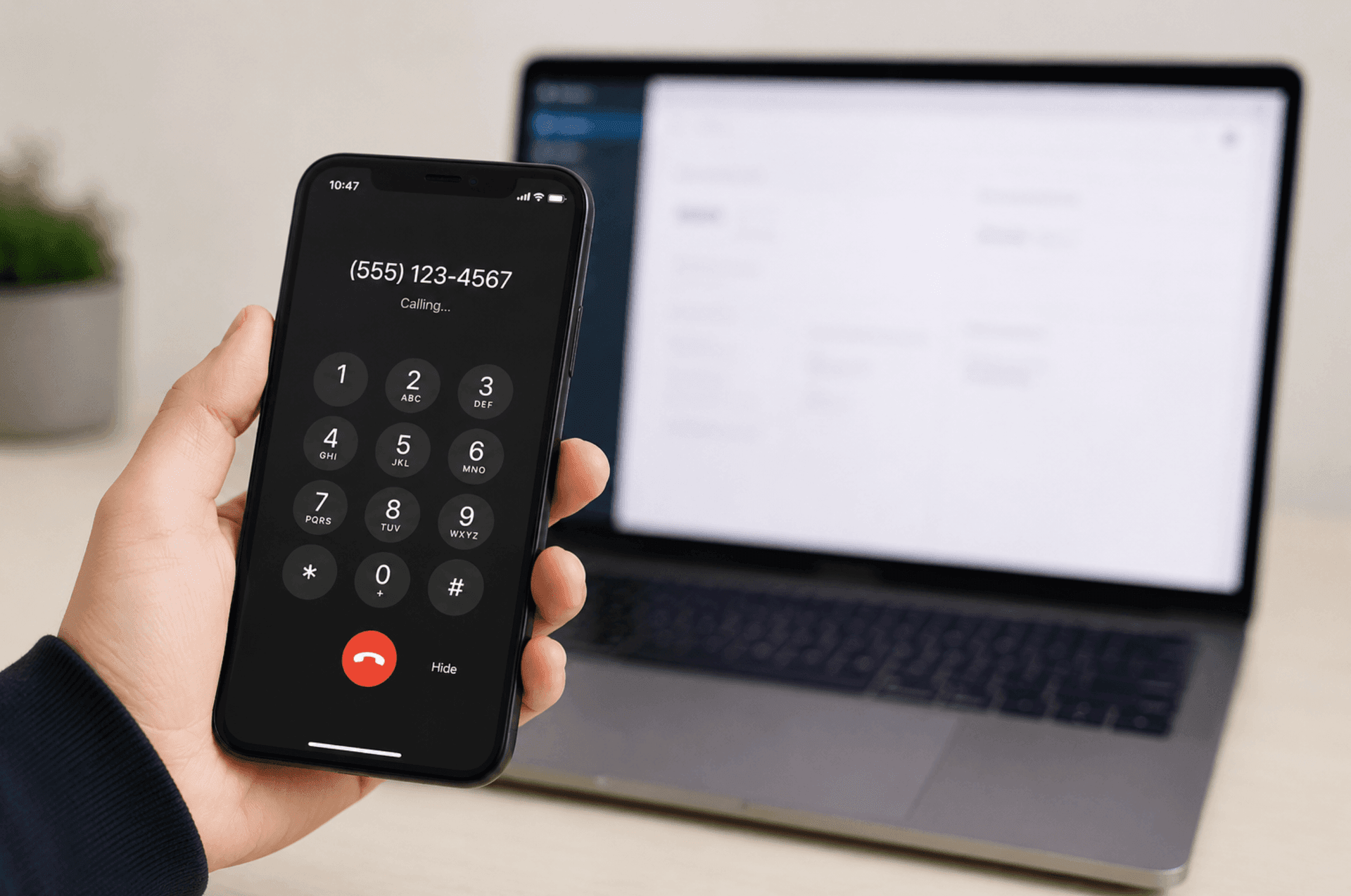
Call from any browser
No app and no SIM. Place the call from your computer or phone in seconds.
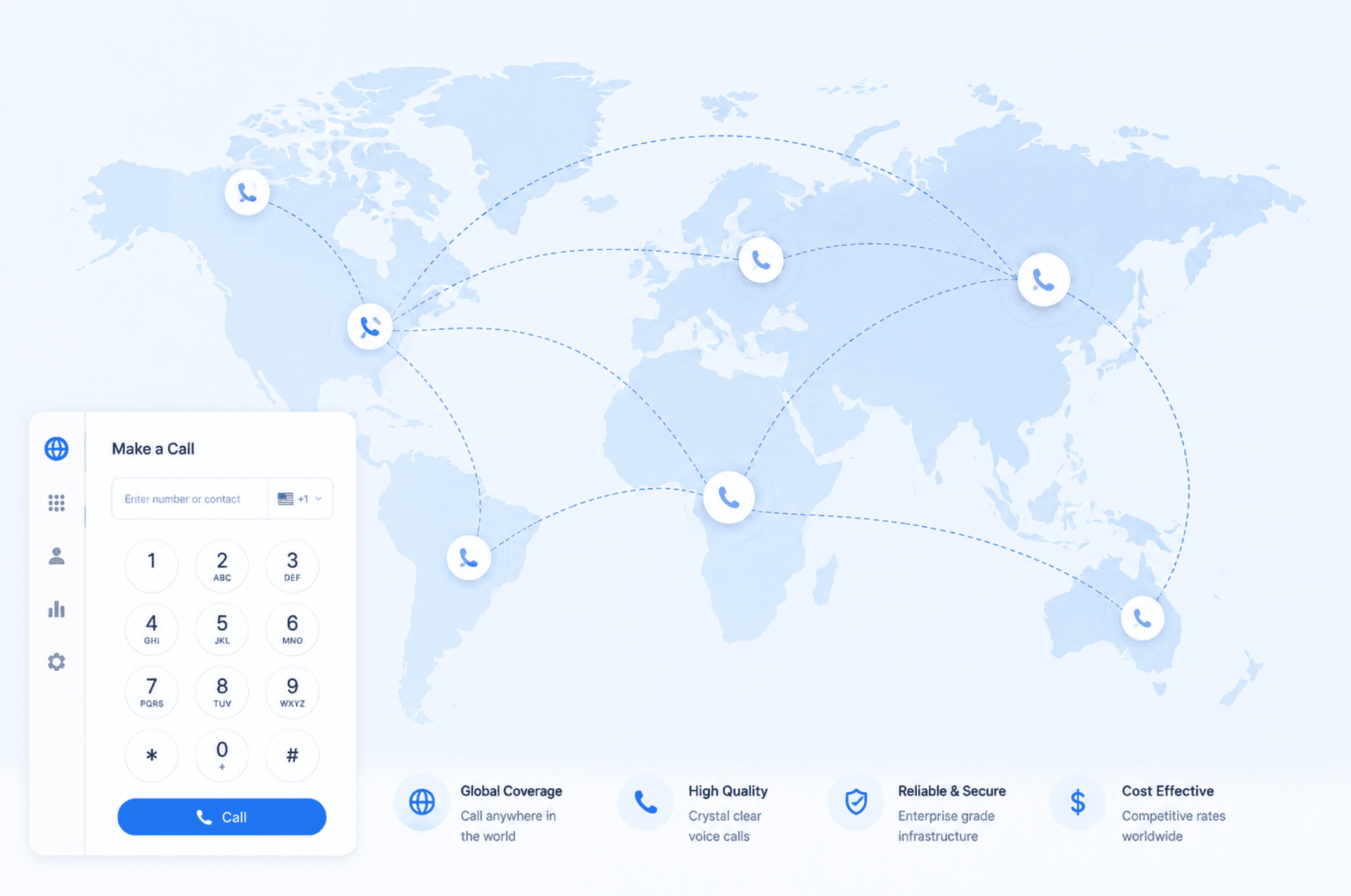
Low rates to 190+ destinations
Clear per minute pricing, shown before you dial. Pay as you go, no monthly fee.
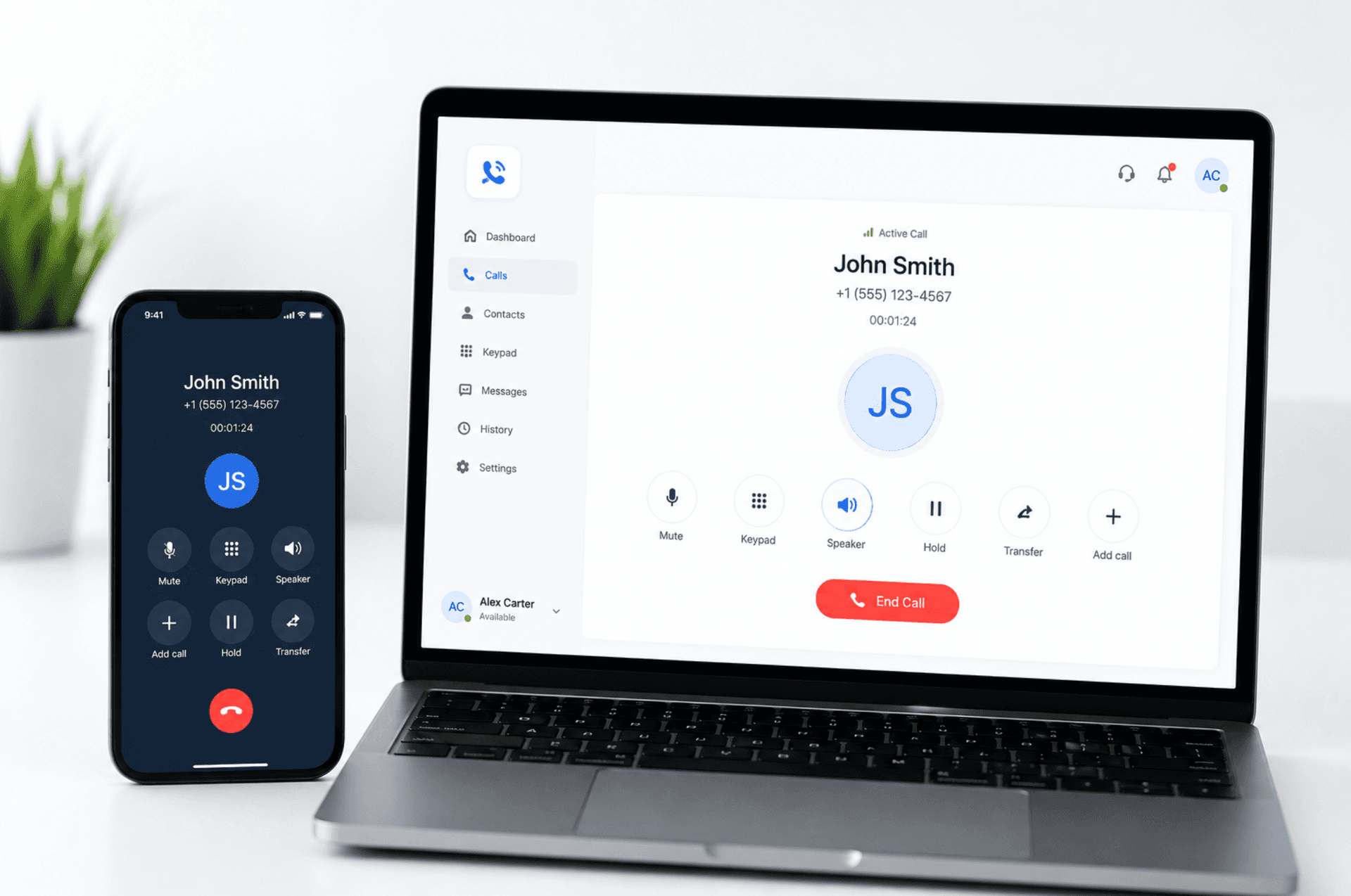
One balance, every device
Start on your laptop, continue on your phone, all at the same low rate.