Make Cheap Phone Calls from Your Linux Browser
Dial straight from any browser tab at low per minute rates. Nothing to download, and you only add a number when you want to take inbound calls.
Pricing and Essentials
- Outbound: Pay as you go, no dedicated number required.
- Inbound: Needs a US/Canada digital number ($2.14 to $5/month).
- No apps: Runs in Chrome, Safari, Edge, Firefox.
Rates and Linux Calling
- Outbound calling: Reach any country right away at cheap per minute rates. No dedicated number required.
- Inbound calling: Taking calls in your browser needs a unique US or Canada digital number ($2.14 to $5/month).
- App-free: Runs straight inside Chrome, Safari, Edge, or Firefox.
Calling from a Linux Browser, Step by Step
A few quick steps and your Linux workstation is placing calls at low per minute rates.
Pick a Supported Browser
Chrome, Chromium, Firefox, Brave, and Edge all work. Keep the browser current so WebRTC stays stable.
Grant Microphone Access
Say yes when the browser asks to use your microphone. No prompt? Review your PulseAudio or PipeWire settings along with the browser site permissions.
Log In and Dial
Sign in to Intercalling, key in the number, and press call. We link your browser to the public phone network so any mobile or landline is reachable.
Fixing Audio on Linux
No sound? Open your system sound settings and check which input device is selected, make sure PipeWire or PulseAudio is running, and confirm the browser can reach the microphone. For browser quirks, clear permissions and reload the page.
Sorting Out Linux Voice Problems
Fast fixes for the issues people hit most when calling from Linux browsers.
Permissions
Open site permissions in your browser settings and clear any blocked entries. Re-allow the microphone if it was denied.
Latency
Connect over wired ethernet or steady WiFi and shut down bandwidth heavy apps to cut latency and keep call quality high.
Codec Compatibility
Up to date browsers ship the common WebRTC codecs. Stay current for the smoothest match with Intercalling audio pipelines.
Why Linux Users Pick Intercalling
Intercalling connects browser WebRTC to the public phone network through Twilio, all at low per minute rates. Tap into virtual numbers, AI call agents, and real-time analytics without ever leaving Linux.
- Dial any mobile or landline straight from the browser
- Get and manage virtual numbers across 190+ countries
- A real-time copilot that helps sharpen your conversations
- Live analytics covering call duration and activity
Secure
Signaling and media are encrypted end to end for safe browser calls.
Global Numbers
Pick up virtual numbers from more than 190 countries and take inbound calls in your browser.
Instant
Be on a call within seconds. Nothing to install and no server setup to wrestle with.
Works with Headsets
Plug in USB or Bluetooth headsets your Linux distribution supports for the clearest calls.
Frequently Asked Questions
Is there anything to install on Linux?
No. Intercalling works inside the browser through WebRTC, so there is no extra software to set up.
Which Linux browsers perform best?
Chrome, Chromium, Firefox, Brave, and Edge are all supported. We suggest running the latest stable release.
How do I sort out microphone permission problems?
Review your browser site permissions, confirm the right input device is chosen in PulseAudio or PipeWire, and relaunch the browser if needed.
Will a headset work on Linux?
Yes. USB, wired, and Bluetooth headsets your distribution recognizes all work with Intercalling in the browser.
Ready to start calling from Linux?
Create an Intercalling account and begin placing and taking phone calls right in your Linux browser at low per minute rates. No apps required.
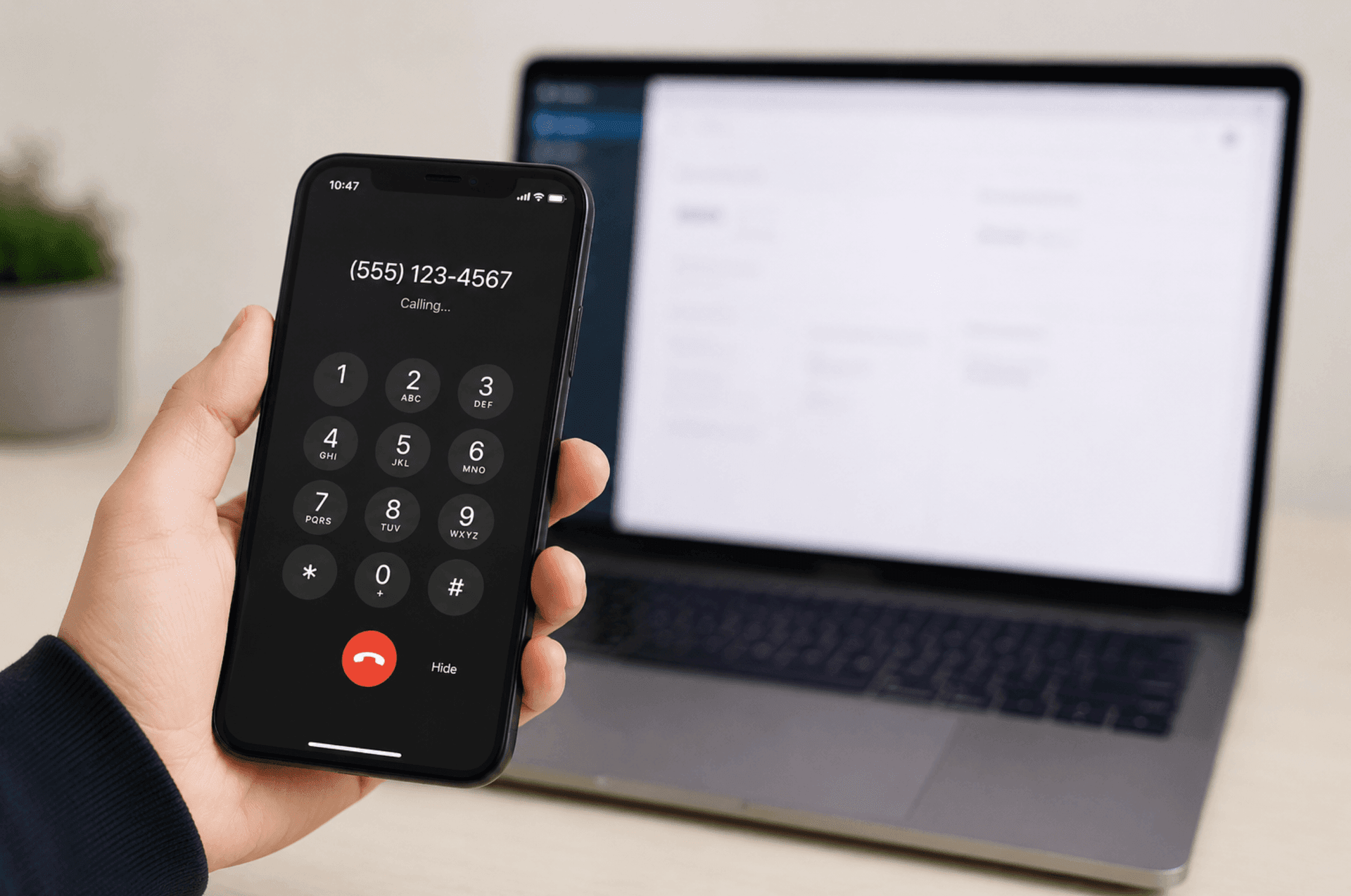
Call from any browser
No app and no SIM. Place the call from your computer or phone in seconds.
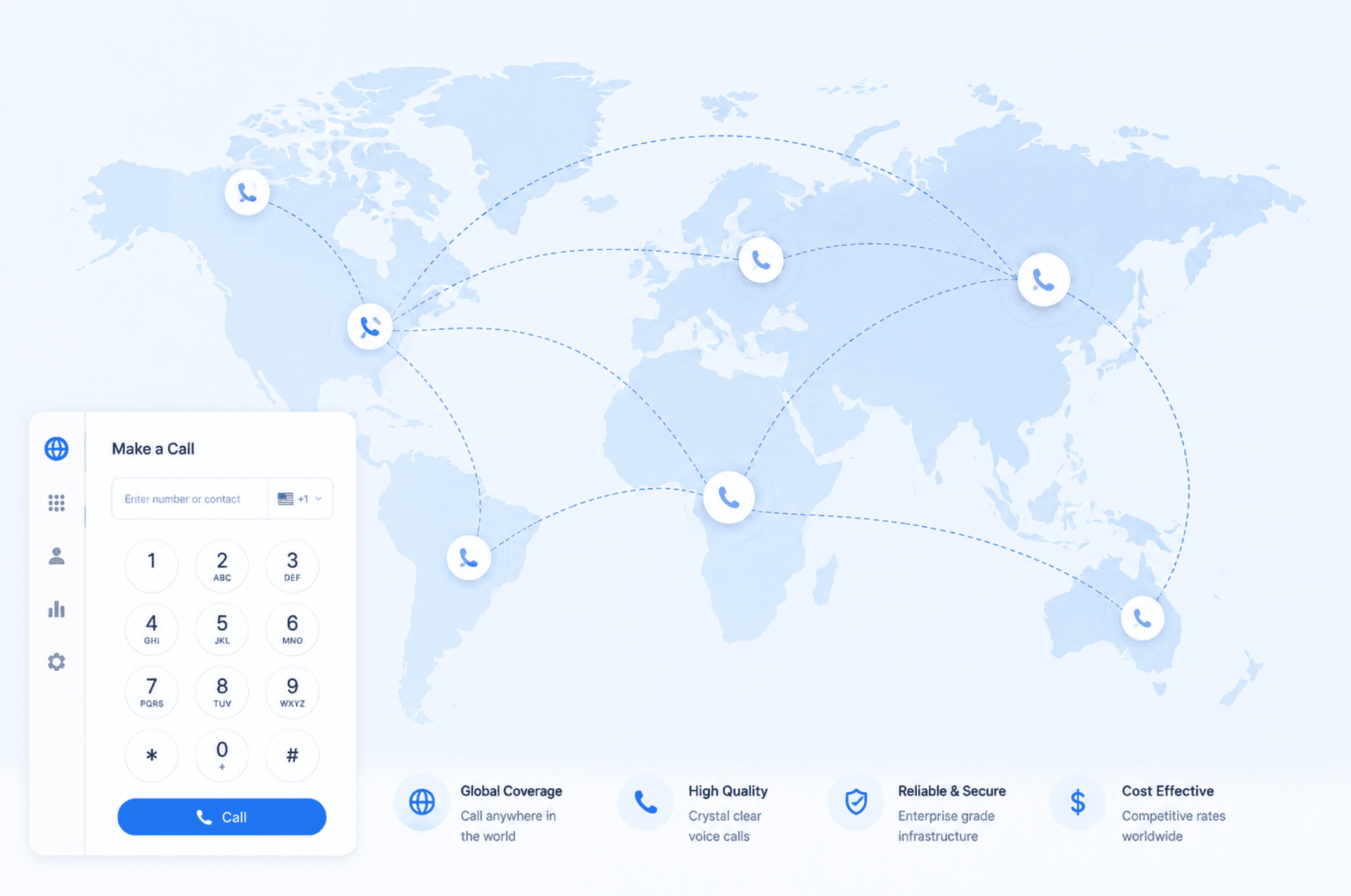
Low rates to 190+ destinations
Clear per minute pricing, shown before you dial. Pay as you go, no monthly fee.
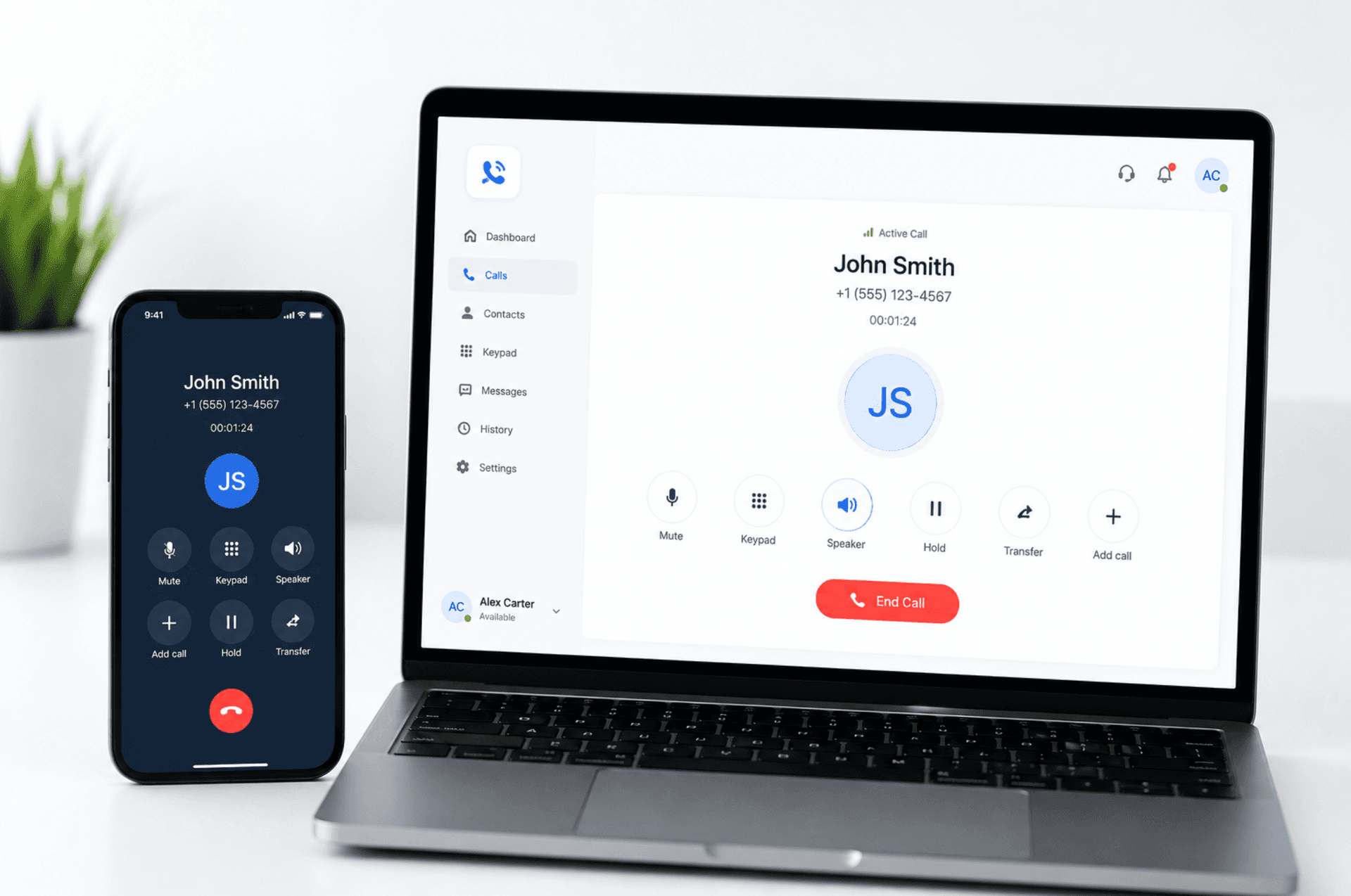
One balance, every device
Start on your laptop, continue on your phone, all at the same low rate.