Ooma vs Browser Calling

Ooma vs Browser Calling
Which one saves you more?

Dial straight from your browser in seconds and pay only per minute. There is nothing to install, and calling out never needs a phone number.

What you get

  • Outbound: Call out with no dedicated number, billed per minute.
  • Inbound: Add a US/Canada digital number for $2.14 to $5/month.
  • No apps: Runs in Chrome, Safari, Edge, and Firefox.
Compare Features
In-Browser DialerReady
🇺🇸

Ooma vs Browser Calling: How They Compare on Cost and Features

A side by side breakdown of pricing, deployment, mobility, and the features each option brings.

Ooma: Boxes, Adapters, and Plans

  • Needs physical adapters or endpoints for desk phones, plus a mobile app in many cases to unlock everything.
  • Fits homes and small offices that prefer an appliance you plug in with some cloud extras on top.
  • The lineup sticks to calling, voicemail, and simple routing. More advanced automation stays limited.

Browser Calling: WebRTC, Cloud, and Pay as You Go

  • Zero hardware to buy. Place and answer calls in Chrome, Safari, and Firefox over WebRTC, paying only per minute.
  • Pick up and manage virtual numbers in 190+ countries and route every call straight from the browser.
  • Native support for and real-time that help during live calls, transcribe conversations, and automate follow-ups.

Worldwide Numbers

Virtual numbers across dozens of countries that forward to your browser or to SIP endpoints.

Encrypted Calls

WebRTC media and signaling stay encrypted so your call content and metadata are protected.

Up and Running Fast

Add users in moments and start dialing from the browser within seconds, with no hardware to provision.

How Calling From the Browser Works

A short look at the pieces that connect a browser call to the PSTN.

Step 1

It Starts With WebRTC

WebRTC opens a secure peer connection for audio, and video when you want it, right inside the browser with no plugins.

Step 2

The Cloud Telephony Bridge

A cloud telephony provider links those WebRTC calls to the PSTN, sending them on to ordinary phone numbers anywhere in the world.

Step 3

Extra Services on Top

Layer on , real-time transcription, analytics, and integrations to automate workflows and pull insights from your calls.

Why distributed teams lean on browser calling

Browser calling drops the hardware requirement, gets remote and hybrid teams productive right away, and keeps number management and analytics together in one dashboard.

Mobility
Dial from any device that runs a supported browser. No desk phone needed.
Centralized Numbers
Handle inbound routing and DID provisioning in one place, then forward calls to agents in their browser.

Frequently Asked Questions

Is any special equipment needed for browser calling?

No. A supported browser and a microphone are enough. A headset sharpens the audio but is optional.

Will browser calling reach regular phone numbers?

Yes. It bridges WebRTC to the PSTN, so you can dial any phone number and take inbound calls on your virtual numbers.

How does Intercalling layer in automation?

Intercalling brings together speech-to-text, autonomous voice agents, and a real-time to transcribe calls, suggest replies, and automate the follow-up.

How safe is my call data?

Browser calling platforms encrypt transport for both media and signaling and add enterprise controls for access, logging, and compliance.

Ready to ditch the hardware?

Give browser calling a try and see how fast setup, virtual numbers, and low per minute rates streamline how your team communicates.
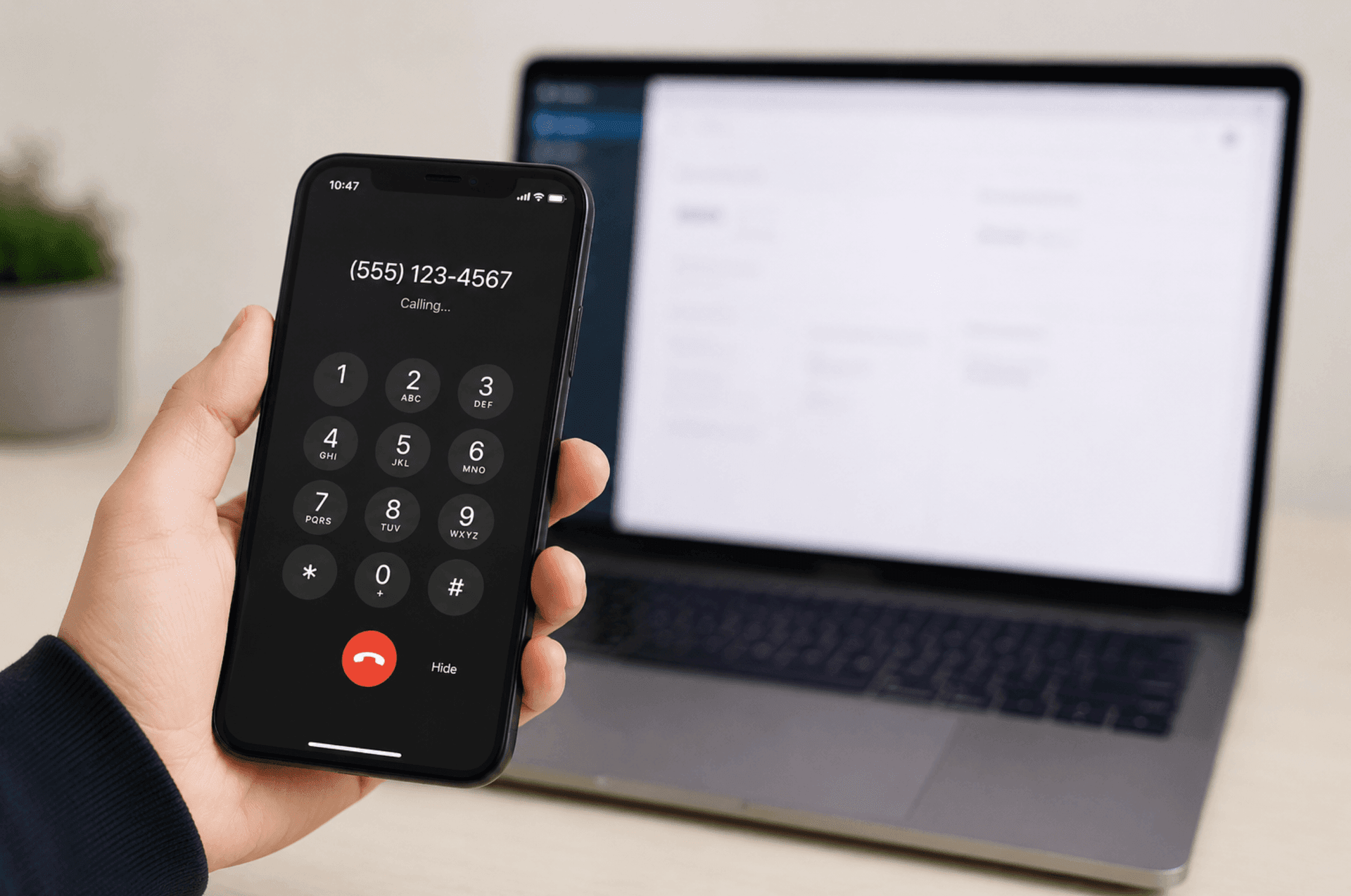
Making an international call from a laptop

Call from any browser

No app and no SIM. Place the call from your computer or phone in seconds.
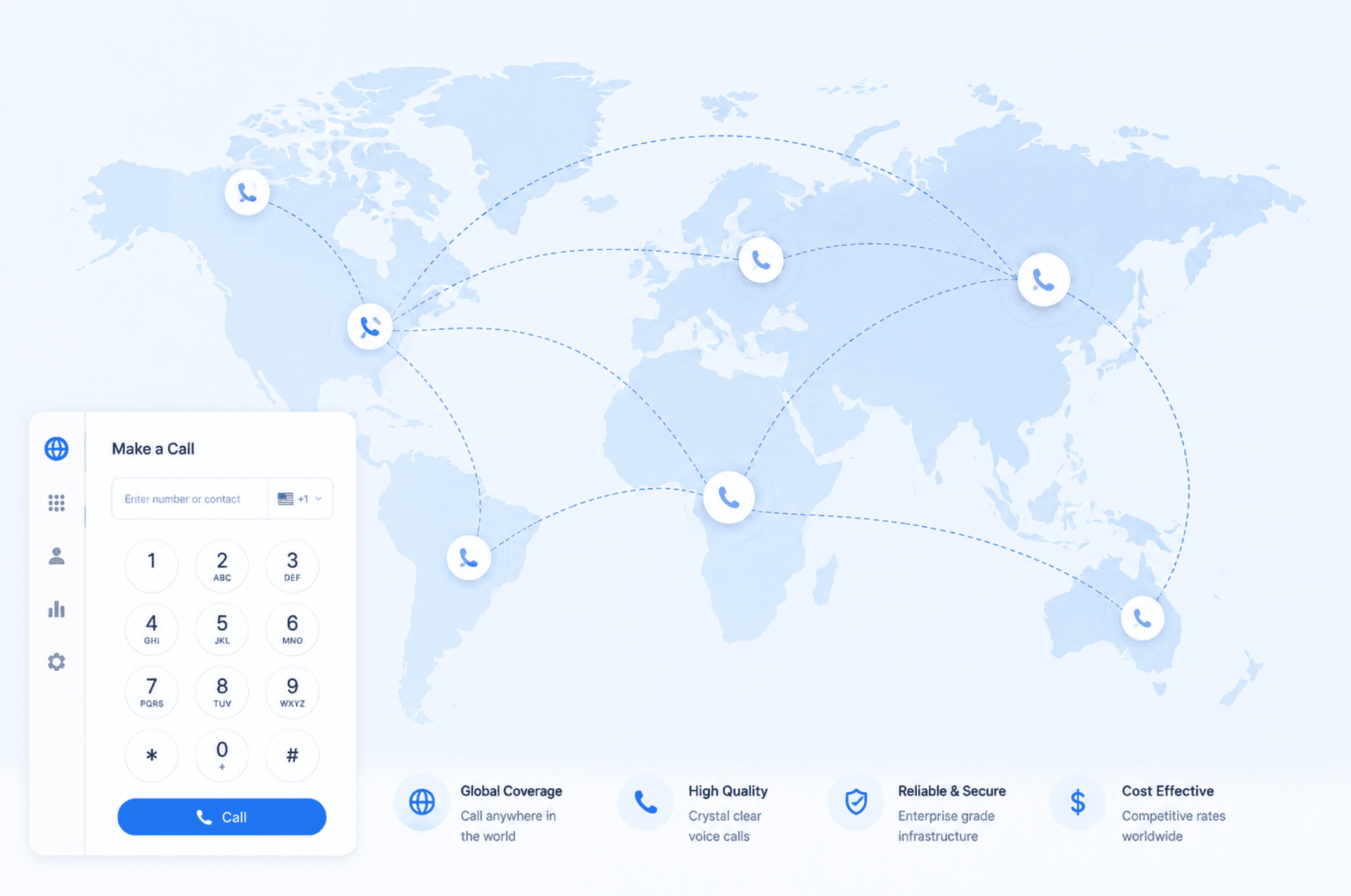
World map of Intercalling calling coverage

Low rates to 190+ destinations

Clear per minute pricing, shown before you dial. Pay as you go, no monthly fee.
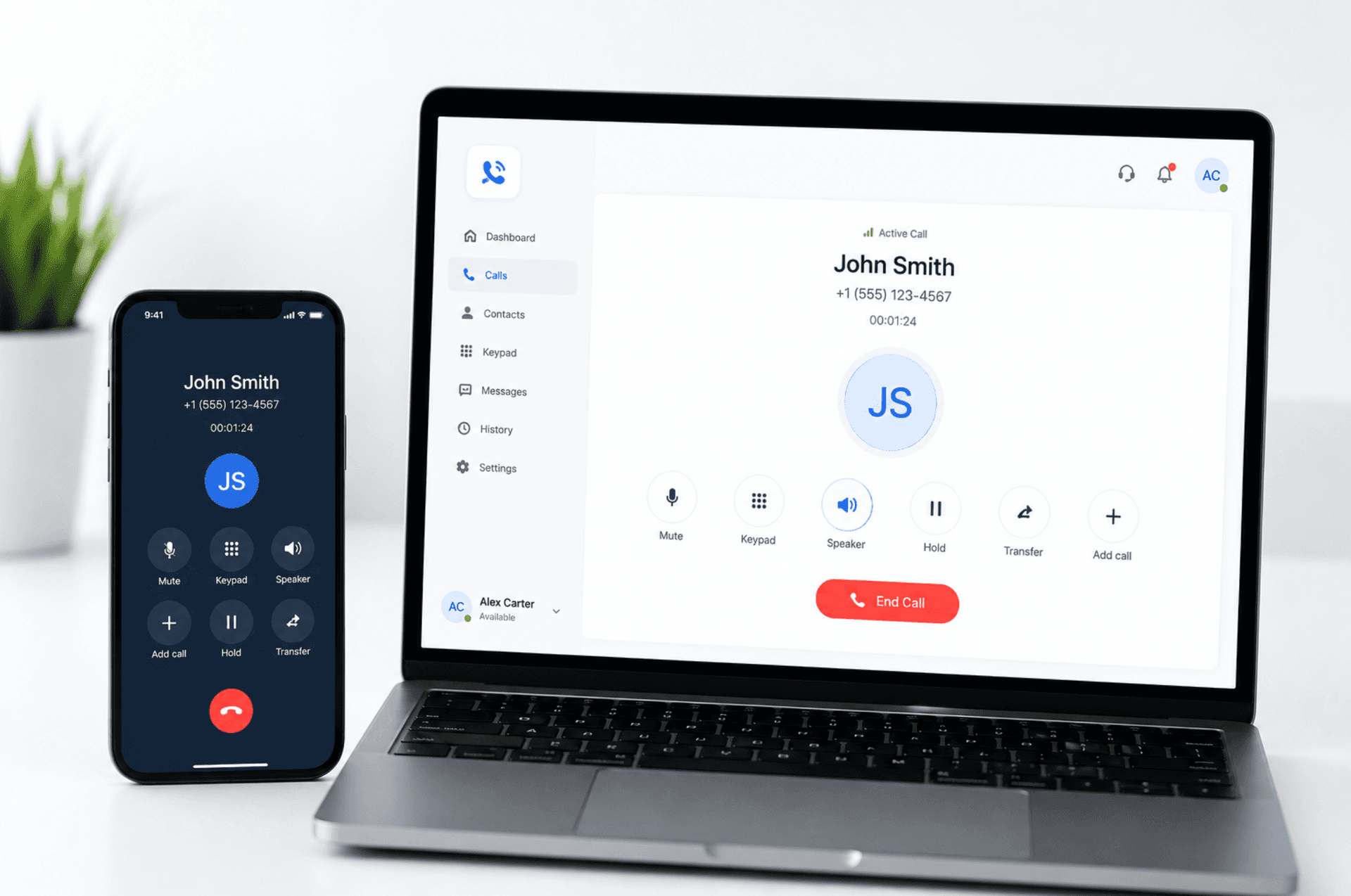
Calling from a phone and a laptop

One balance, every device

Start on your laptop, continue on your phone, all at the same low rate.

Ooma vs Browser Calling: Which Fits Your Needs?

In short

Ooma is a VoIP service built around a physical base station and a dedicated phone number, best for replacing a home or office landline. Browser calling with Intercalling needs no hardware, no SIM and no app, and lets you place encrypted outbound calls instantly, paying per minute. Choose Ooma for a fixed home line, choose browser calling for flexible, on the go, international, or privacy focused calls.

The core difference: hardware and commitment

Ooma typically requires a Telo base station or Ooma Office hardware plugged into your internet, plus a monthly plan and a number tied to the device. It is designed to be a stationary landline replacement that sits in one place.

Intercalling runs entirely in Chrome, Safari, Edge or Firefox. There is nothing to install, no SIM card and no equipment to buy. You open a browser tab and dial. That makes it portable across any computer or phone you sign into, with no setup beyond opening the page.

Cost and how you pay

Ooma charges recurring monthly fees and, for many international destinations, per minute rates on top of the base plan, plus the upfront cost of the hardware. You commit to a number and a plan whether you call that month or not.

Intercalling outbound calls are pay as you go, billed per minute, with no phone number required and no monthly minimum. If you want to receive inbound calls, you can add a US or Canada digital number for roughly $2.14 to $5 per month. You only pay for what you use.

Privacy and international calling

Intercalling uses end to end encryption and does not require you to expose a personal SIM or buy a local line, which suits international calling, business use and privacy sensitive conversations. You can call from anywhere with a browser and an internet connection.

Ooma is strongest as a dependable home or small office phone with features like voicemail and an answering device, but it ties you to fixed hardware and a location, which is less convenient if your priority is mobility or calling many countries occasionally.

Frequently asked questions

Do I need to buy hardware to use browser calling?+

No. Intercalling works directly in Chrome, Safari, Edge and Firefox with no app download, no SIM card and no base station. Ooma, by contrast, usually requires a Telo or Office device. With Intercalling you just open your browser and dial.

Can I receive incoming calls without a phone number?+

Outbound calls on Intercalling need no phone number at all. To receive inbound calls you add a US or Canada digital number for about $2.14 to $5 per month. Ooma always assigns you a number tied to its hardware and plan.

Which is cheaper for occasional or international calls?+

For occasional and international use, browser calling is usually cheaper because it is pay as you go and billed per minute with no monthly commitment. Ooma adds recurring monthly fees and upfront hardware costs that you pay even in months you barely call.

Is browser calling secure enough for business?+

Yes. Intercalling offers end to end encryption, which is well suited to business and privacy sensitive calls. It also avoids exposing your personal SIM or a fixed local line, so you can call internationally from any browser.

Last reviewed June 2026Reviewed by the Intercalling calling teamDialing rules cross checked against ITU international dialing procedures
More calling routes

Related international calling guides

Other routes our customers compare with this one. Tap any guide to see dialing rules, country codes, and rates.