Browser vs App Calls
Battery Use, Made Clear
See exactly how battery drain compares when you call from a browser versus a native app, with straightforward steps to stretch your talk time. Intercalling runs right in your browser on pay as you go pricing, so you get cheap per minute rates and nothing to install.
Side by Side: Browser Calling Against Native Apps
A grounded look at what drives battery life, and how each approach deals with it.
Calling in the Browser (WebRTC)
- Nothing to install. You are calling in seconds and updates land instantly, so there are no background installers or app store chores running.
- Browsers tune WebRTC for you. Chrome, Edge, and Safari lean on hardware acceleration and efficient audio codecs to keep CPU use down.
- Screen time adds up. Holding the tab in front with the screen lit will push battery use higher on lengthy calls.
- Background limits apply. Mobile browsers sometimes freeze tabs or slow timers once they drop into the background, which can shake call stability on a few platforms.
Calling Through a Native App
- Tighter OS hooks. Apps can tap low-power audio paths and background audio APIs to trim battery use on drawn-out calls.
- Possible background savings. On a phone, a well-engineered app can hold a call with the screen off and draw less power than a browser tab kept awake.
- Updates and permissions pile up. Apps bring along extra storage, background services, and update cycles that can nudge battery use in the wrong direction.
- Lower-level codec reach. Native code can occasionally reach hardware codecs and deep optimizations that browsers do not expose.
The bottom line
For everyday call lengths and most people, browser calling lands close to native apps on power efficiency while giving you instant access on any device. Native apps can edge ahead for long background calls or heavily tuned enterprise setups, yet they still demand installation and upkeep. Either way, Intercalling keeps you on cheap per minute, pay as you go pricing.
Easy Ways to Cut Battery Use on Calls
Things you can do right now to stretch talk time, whether you call from a browser or an app.
Lean on Wi-Fi when you can
Wi-Fi usually sips less power than cellular radios. When you do go cellular, stay where the signal is strong so the radio is not resending data.
Dim the screen
A dimmer screen during calls saves a real chunk of battery, and even more so on OLED displays.
Plug in headphones
Wired or low-power Bluetooth earbuds ease the load on the speaker and cut the amplification your phone has to do.
Shut down stray tabs and apps
Freeing up the CPU and trimming extra network chatter keeps power use in check.
Stick to audio when you can
Video leans hard on the CPU and radio, so dropping to audio alone saves a great deal of power.
Switch on power-saving mode
Most phones throttle the CPU and quiet background activity in this mode, which helps a lot on long calls.
Frequently Asked Questions
Does locking my phone end a browser call?
On certain mobile browsers, locking the screen or jumping to another app can suspend the tab. For unbroken background audio, a native app may hold up better on some mobile platforms. Intercalling is tuned to keep interruptions to a minimum wherever the browser permits it.
Do WebRTC codecs help save power?
Yes. Today's WebRTC builds use efficient codecs such as Opus that weigh quality against CPU load, and browser makers add hardware acceleration whenever the device supports it.
Browser or app for long conference calls?
For screen-off calling that runs for hours, a native app can be a touch more efficient. For the typical meeting or daily call, the browser brings strong efficiency along with instant access.
How does Intercalling keep battery drain low?
Intercalling pairs tuned WebRTC settings, adaptive bitrate and codec selection, and a lightweight web interface to hold CPU and network work down, so your calls stay efficient in the browser. And with cheap per minute, pay as you go rates, they stay easy on your budget too.
Ready for efficient calling straight from your browser?
Intercalling reaches real phone numbers from your browser using WebRTC tuned for real-world battery and performance, all on cheap per minute, pay as you go pricing.
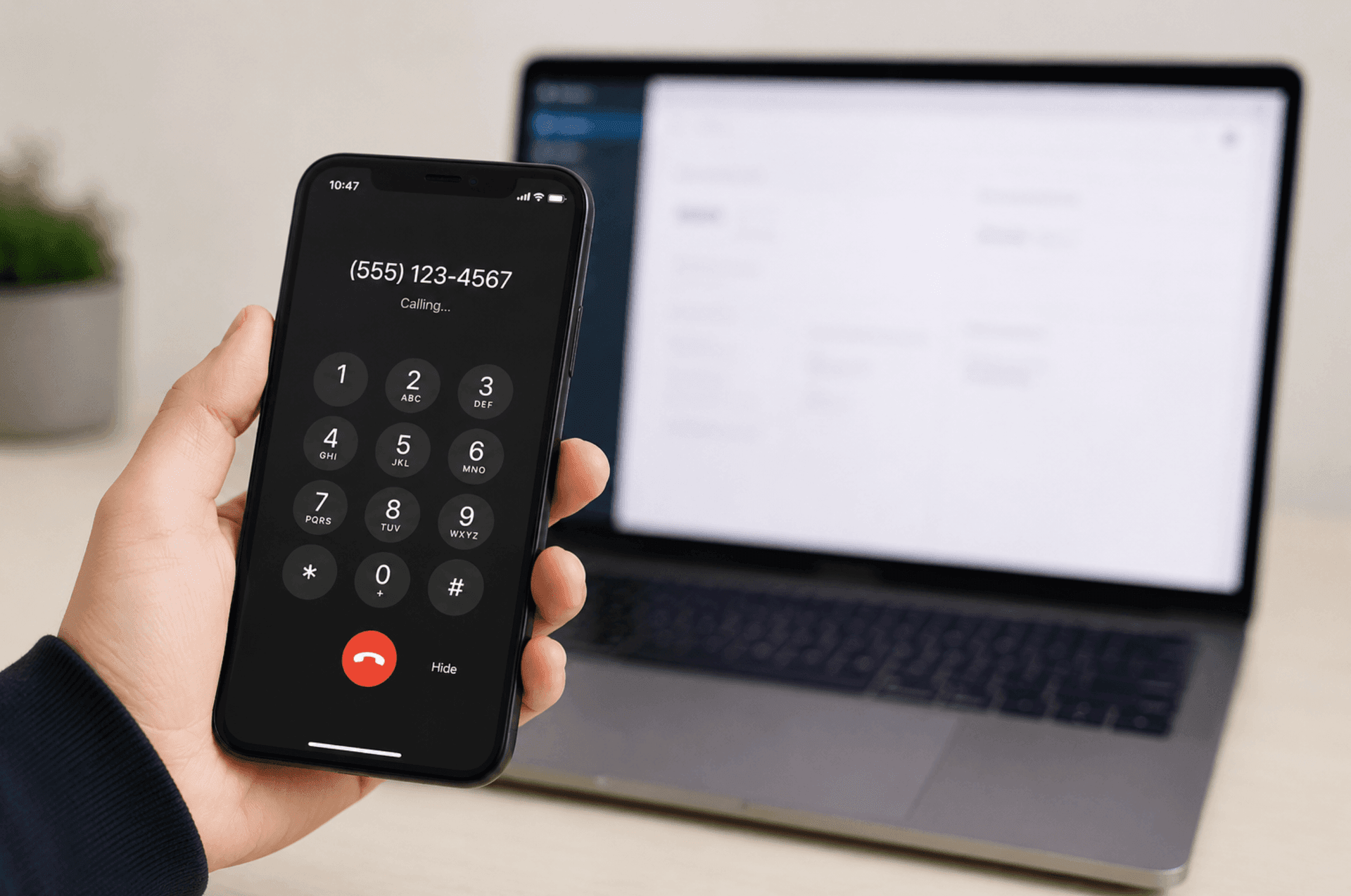
Call from any browser
No app and no SIM. Place the call from your computer or phone in seconds.
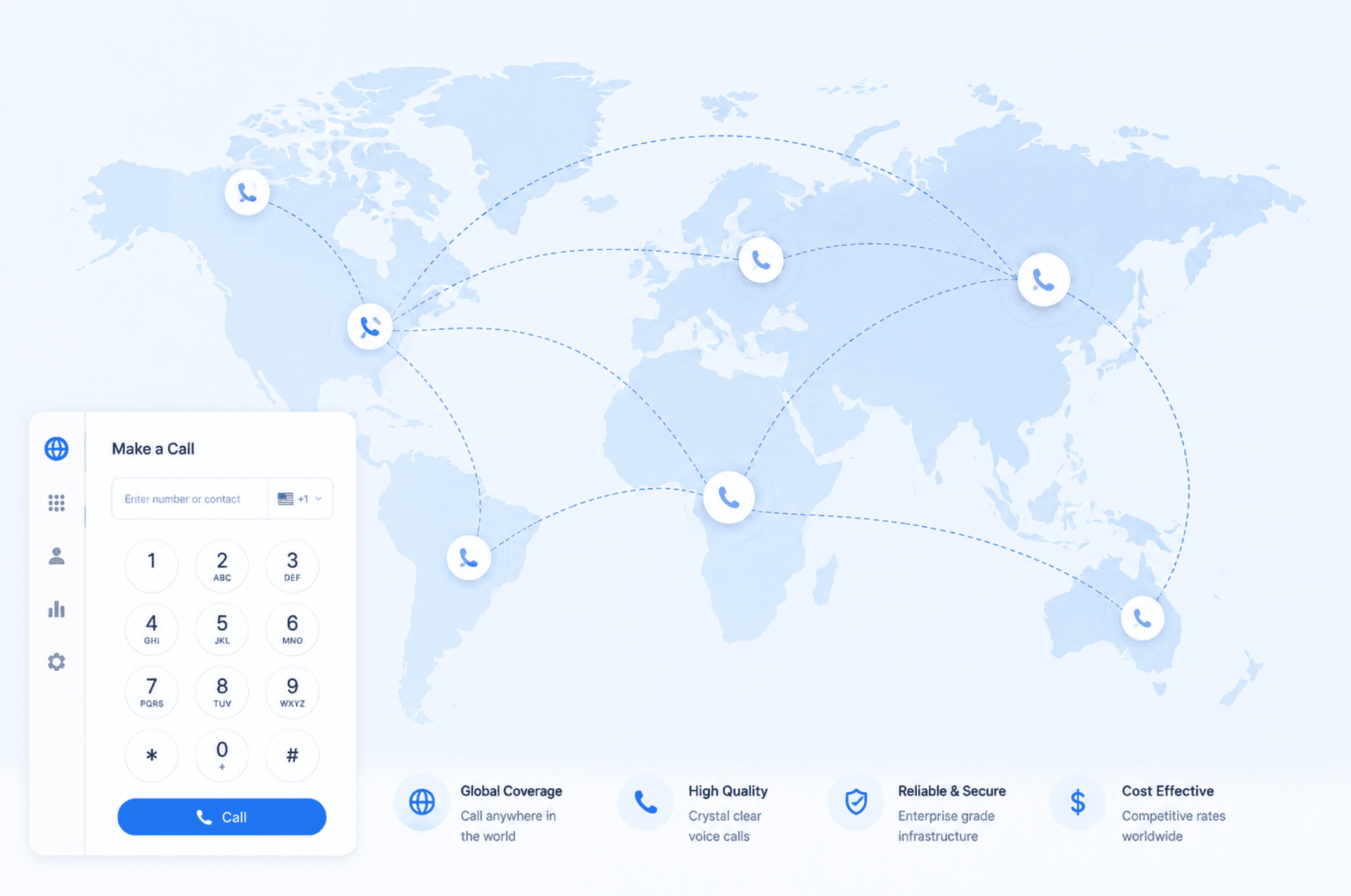
Low rates to 190+ destinations
Clear per minute pricing, shown before you dial. Pay as you go, no monthly fee.
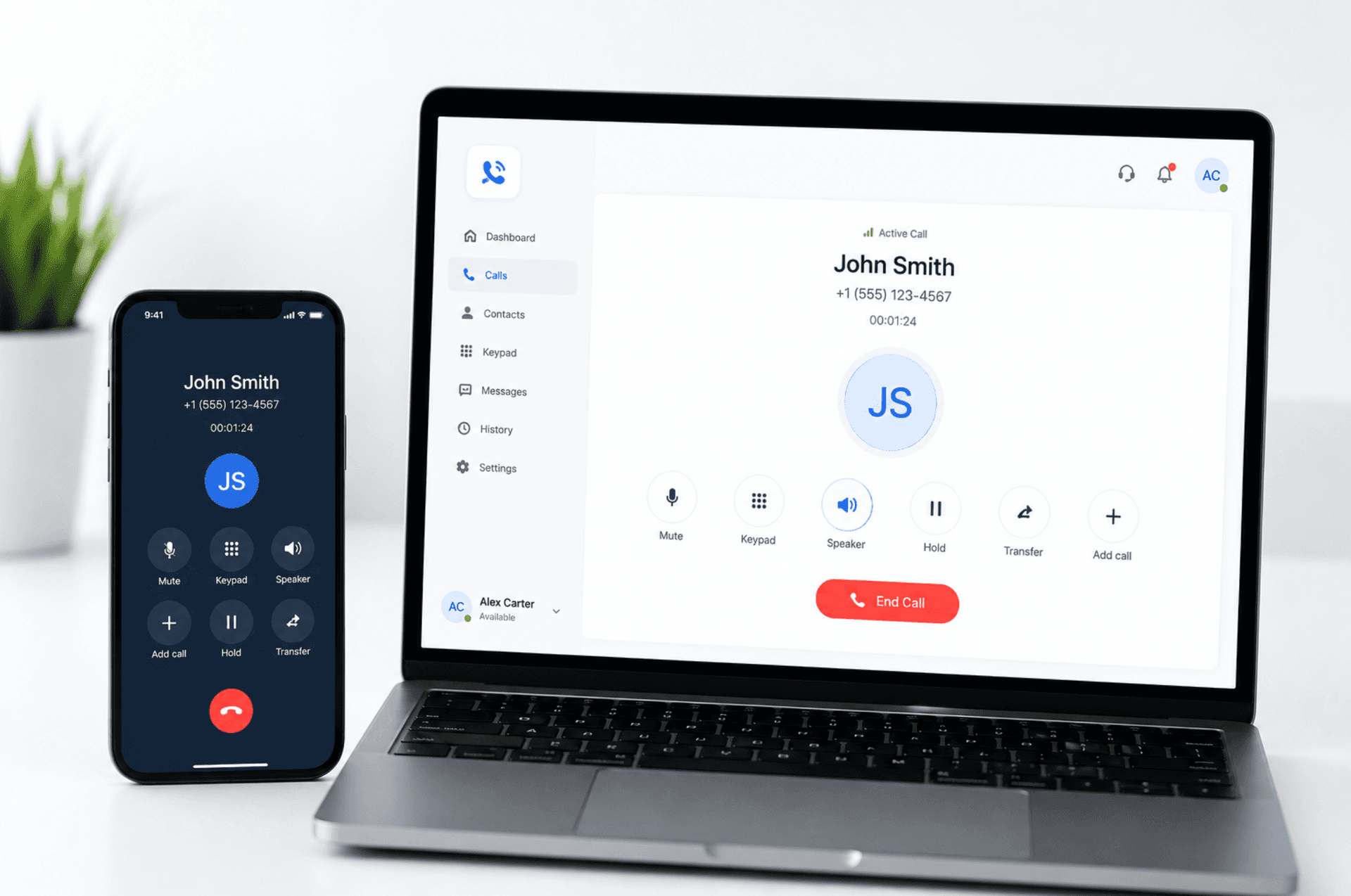
One balance, every device
Start on your laptop, continue on your phone, all at the same low rate.