Opus Codec Sound Quality
for Browser Calls
Dial straight from a browser tab with nothing to install, and you only add a number when you want inbound calls. Rates stay low and pay as you go.
The essentials
- Outbound: No dedicated number needed.
- Inbound: Add a US/Canada digital number ($2.14 to $5/month).
- No apps: Runs in Chrome, Safari, Edge, and Firefox.
What Makes Opus the Top Codec for Browser Calls
By pairing low latency with adaptive bitrate and strong packet loss handling, Opus delivers clean voice even when real world networks get messy.
Modes That Adapt
On its own, Opus moves between SILK and CELT modes, or blends them in hybrid mode, to tune itself for speech or music.
Minimal Delay
Built for interactive real time use, Opus carries very low algorithmic delay, so conversations feel natural and quick to respond.
Strong Against Packet Loss
Packet loss concealment, FEC, and redundancy options are built in, keeping speech understandable on congested or lossy networks.
Bitrate and Fidelity
Opus runs anywhere from roughly 6 kbps up to 510 kbps. For voice that translates to excellent quality across the usual 12 kbps to 48 kbps range. Internally it samples at 48 kHz and covers narrowband, wideband, and fullband audio.
- Low bitrate speech modes for tight, constrained networks
- High fidelity modes for music and recording use cases
Working Across WebRTC and PSTN
Browsers settle on Opus through WebRTC. When a call reaches the PSTN by way of Twilio, Intercalling handles the codec negotiation and safe transcoding, so audio stays clear even when the far end expects PCM or other legacy codecs.
- Hold Opus on the browser side for the best performance
- Let adaptive bitrate and packet loss recovery do their work on shaky networks
- Transcoding can happen when bridging into carrier networks, yet Intercalling tunes the media path to hold onto quality
Dialing In the Best Opus Settings for Browser Calls
Hands on configuration tips for squeezing the most out of Opus in WebRTC voice apps.
Settings We Suggest
- Turn on variable bitrate (VBR) so quality can adapt
- Cap the bitrate at 12 to 32 kbps for speech over mobile networks
- Switch on FEC once packet loss climbs past 2 to 3 percent
- Keep the frame size small for lower latency, around 20 ms
Tips for Browsers and Devices
- Grant microphone access and lean on hardware echo cancellation where it exists
- Choose Opus wideband for sharper speech when the network is solid
- Watch jitter and tune the jitter buffer to smooth out bursts
- Run tests under rough network conditions to dial in FEC and bitrate limits
Where Intercalling helps
Intercalling settles codec negotiation for you inside the browser, keeps Opus running on the WebRTC leg, and leans on Twilio to bridge across to the PSTN with as little audio loss as possible. The payoff is dependable real world voice quality for browser based calling and AI assisted agents, all at low pay as you go rates.
Frequently Asked Questions
Which bitrates work for speech on Opus?
Opus covers a broad span. For speech, 12 to 32 kbps usually gives excellent clarity, though it can drop much lower or push much higher when constraints call for it.
How does Opus cope with packet loss?
Well. Opus brings packet loss concealment plus optional forward error correction, and alongside WebRTC jitter buffers and retransmission strategies it keeps speech clear on lossy networks.
Does the audio suffer when bridging to PSTN?
If the far carrier sticks to legacy codecs such as G.711, Intercalling runs optimized transcoding through Twilio to hold quality. Keeping Opus on the browser side gives you the best local experience.
Do all browsers support Opus?
Any modern browser with WebRTC, including Chrome, Firefox, Edge, and Safari, ships Opus as its default audio codec.
Hear Opus Quality on Your Next Browser Call
Create an account and you are calling within seconds. Let Intercalling manage Opus, WebRTC, and PSTN bridging so your voice stays clear on every call, all at low rates.
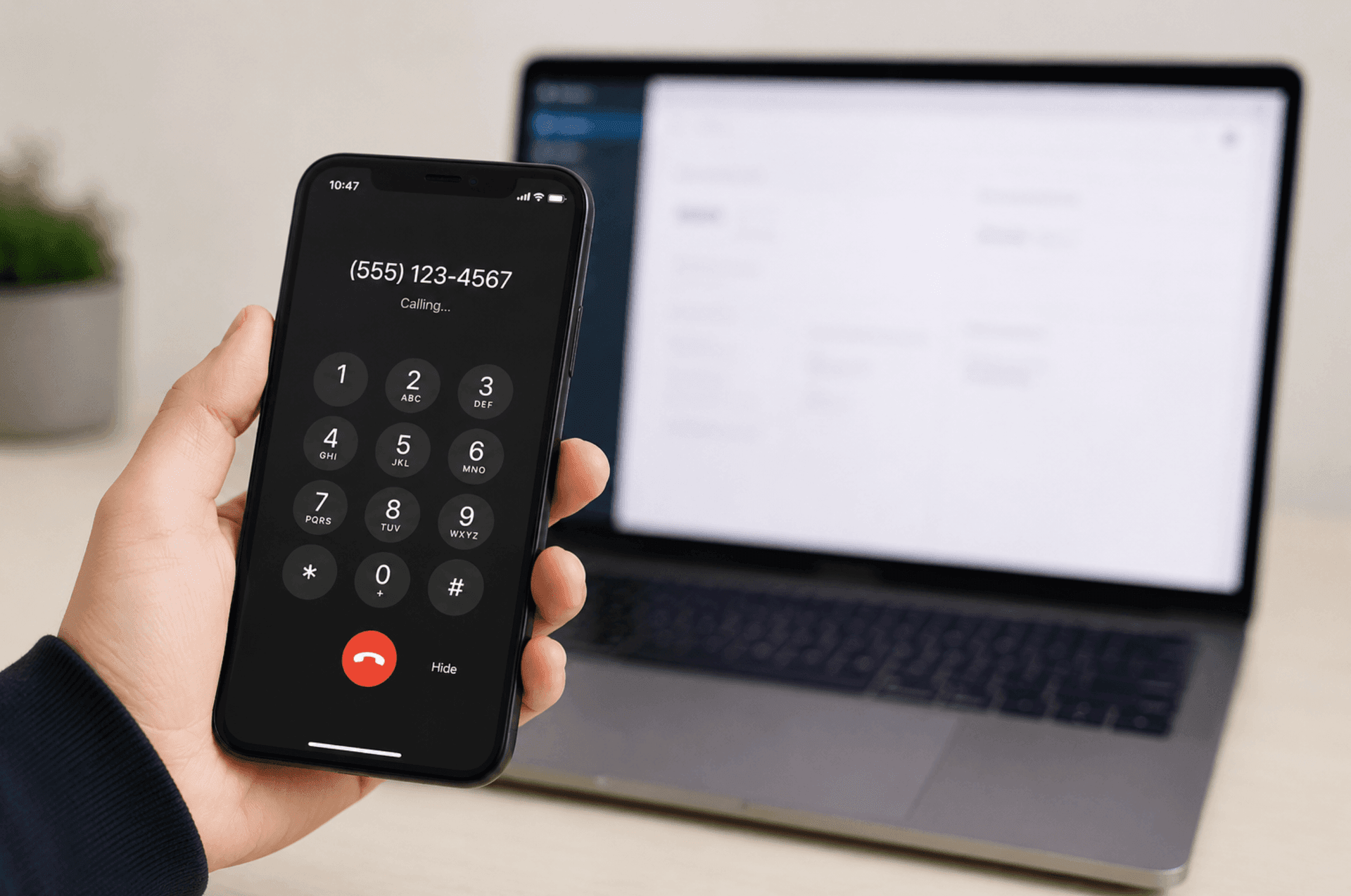
Call from any browser
No app and no SIM. Place the call from your computer or phone in seconds.
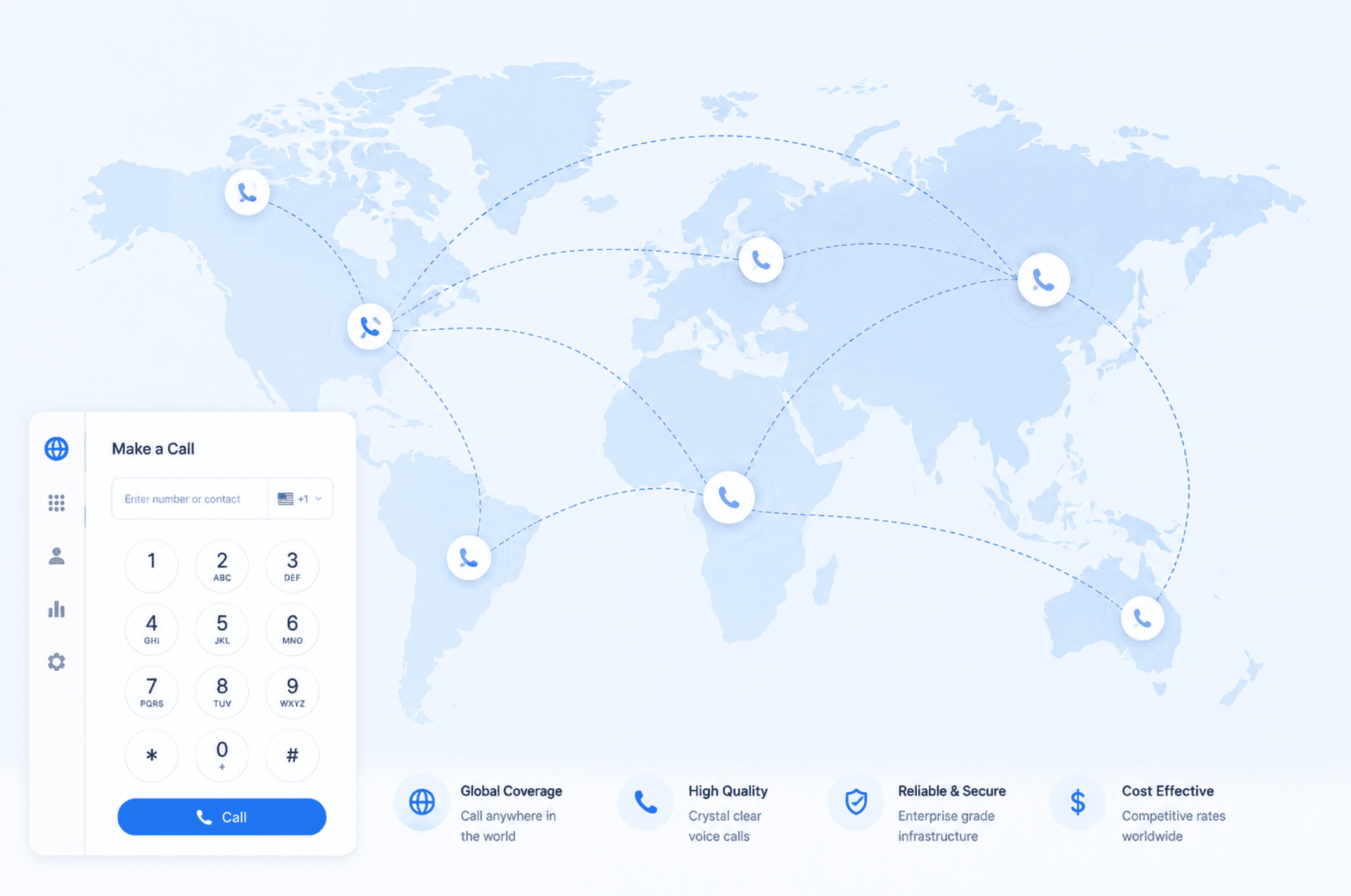
Low rates to 190+ destinations
Clear per minute pricing, shown before you dial. Pay as you go, no monthly fee.
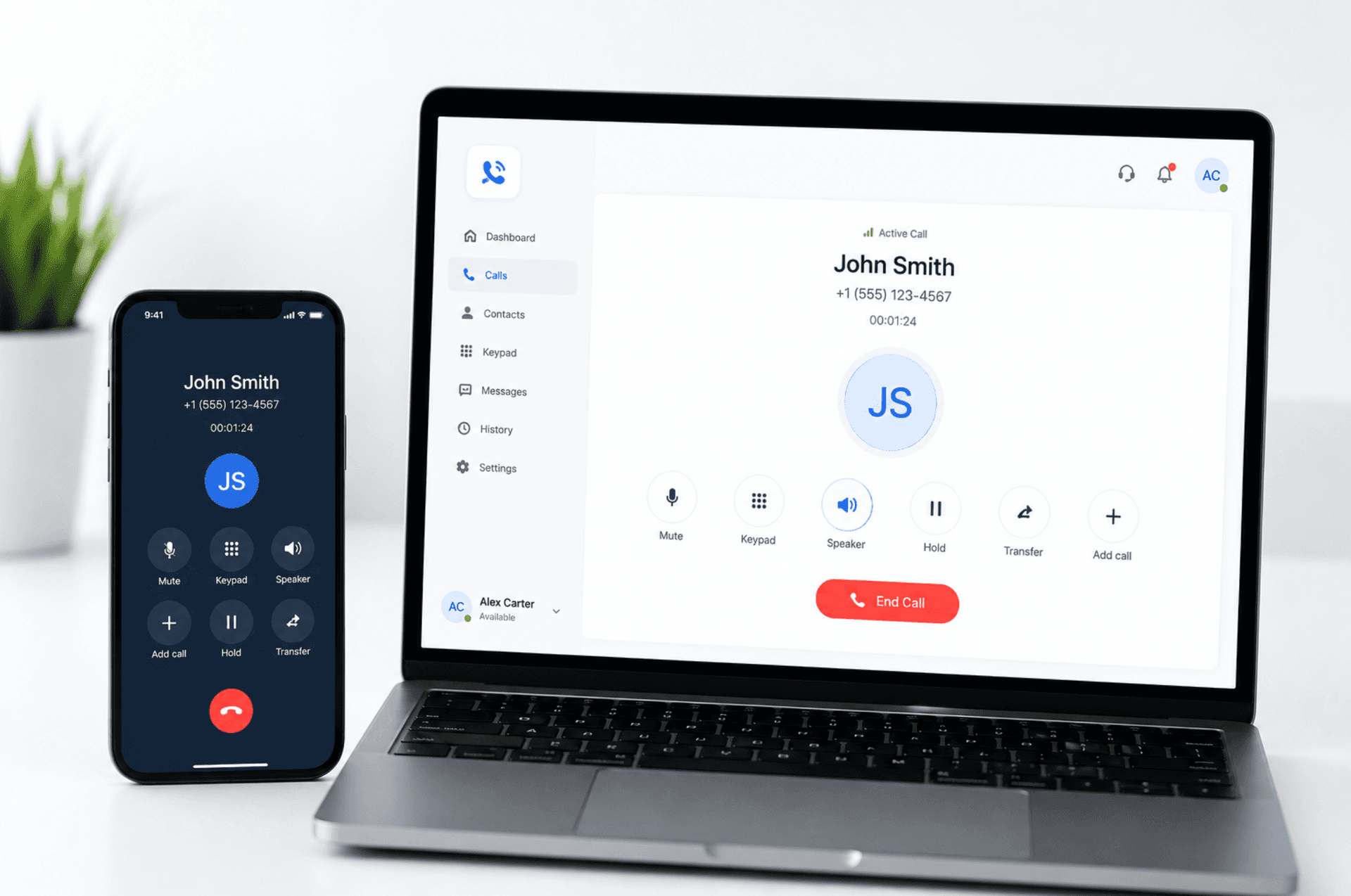
One balance, every device
Start on your laptop, continue on your phone, all at the same low rate.