Viber Alternatives for Cheap International Calls
Dial from your browser in seconds at low per minute rates. Nothing to install, no contracts, and outbound calls need no phone number.
At a glance
- Outbound: Pay as you go, no dedicated number required.
- Inbound: Needs a US/Canada digital number ($2.14 to $5/month).
- No apps: Runs in Chrome, Safari, Edge, Firefox.
Why switch from Viber Out
- Outbound calling: Ring landlines and mobiles worldwide at cheap per minute rates with no dedicated number.
- Inbound calling: A unique US or Canada digital number ($2.14 to $5/month) lets you take calls in your browser.
- No apps needed: Everything runs inside Chrome, Safari, Edge, or Firefox.
How the Popular Options Stack Up
A quick look at the upsides, the limits, and the costs so you can pick what fits your needs.
Free app-to-app calling with broad global reach and end-to-end encryption on voice and video. Ideal for personal chats between users.
- Pros: Encrypted, hugely popular, handles voice and video
- Cons: No calls to regular phone numbers without a PSTN gateway; an app is required
Skype
Handles app-to-app calls and calls to real phone numbers through a PSTN gateway. Runs on desktop, mobile, and web.
- Pros: PSTN calling available, works in browser and app
- Cons: App needed for the full experience, and features differ by region
FaceTime
Excellent audio and video quality between Apple devices. It does not cross platforms and cannot place PSTN calls.
- Pros: Top quality across Apple devices
- Cons: Apple only and app based; no way to dial landlines directly
Zoom Phone
A business grade phone system with PSTN integration and advanced PBX tools. Suited to teams and contact centers.
- Pros: Business features, PSTN support
- Cons: Usually needs an account and setup for business use
Telegram and Signal
Privacy first messaging apps with app-to-app voice and video. The emphasis sits on secure messaging.
- Pros: Strong privacy, quick messaging
- Cons: App-to-app only; no built-in PSTN calling to phone numbers
Intercalling
Dial any real phone number worldwide straight from your browser at low per minute rates, with no app to install. Powered by WebRTC and Twilio, with virtual numbers, Intercalling, and real-time analytics.
- Pros: Browser to PSTN, US/Canada digital numbers, clear audio, no app required
- Cons: Built for calling real phone numbers rather than app-to-app chats
When a Browser-Based PSTN Service Makes Sense
Reach for a browser-based PSTN service when you want to call regular phone numbers, run virtual numbers, or build calling into your workflows without making the other person install anything.
Reach Any Phone Number
Where app only services fall short, browser-to-PSTN platforms reach landlines and mobiles anywhere on earth.
Control and Privacy
Set your own caller ID with virtual numbers and run every call from one place, with no need for the other side to use a particular app.
Up and Running Fast
Begin calling from your browser within seconds. Nothing to install, and no fiddly PBX setup for everyday use.
Where Intercalling Goes Further
Intercalling links the web to the phone network. Call anyone from your browser at cheap per minute rates, buy and manage US/Canada digital numbers, and boost calls with Intercalling or a real-time copilot that transcribes and suggests replies.
Frequently Asked Questions
Can messaging apps call regular phone numbers?
A few apps include PSTN gateways for calling phone numbers, though plenty are app-to-app only. To be sure you can reach landlines and mobiles, pick a PSTN-capable service.
Is there anything to download to use Intercalling?
No. Intercalling runs straight in modern browsers such as Chrome, Safari, and Firefox, so there is nothing to install.
Do the people I call need an app to pick up?
No. When you dial a phone number through a PSTN-capable service, the person you call simply receives an ordinary phone call on their device.
What is a virtual number and when would I use one?
A virtual number is a phone number you own in a given country or city. Use it to show local caller ID, take inbound calls, or route calls to your team or to Intercalling.
How does AI make international calling better?
AI can transcribe calls as they happen, feed live suggestions to agents, take care of routine inbound calls on its own, and write up summaries for follow-up.
Make Cheap International Calls Right From Your Browser
No installs, real phone numbers, AI assist, US/Canada digital numbers, and pay as you go rates. Get going in seconds.
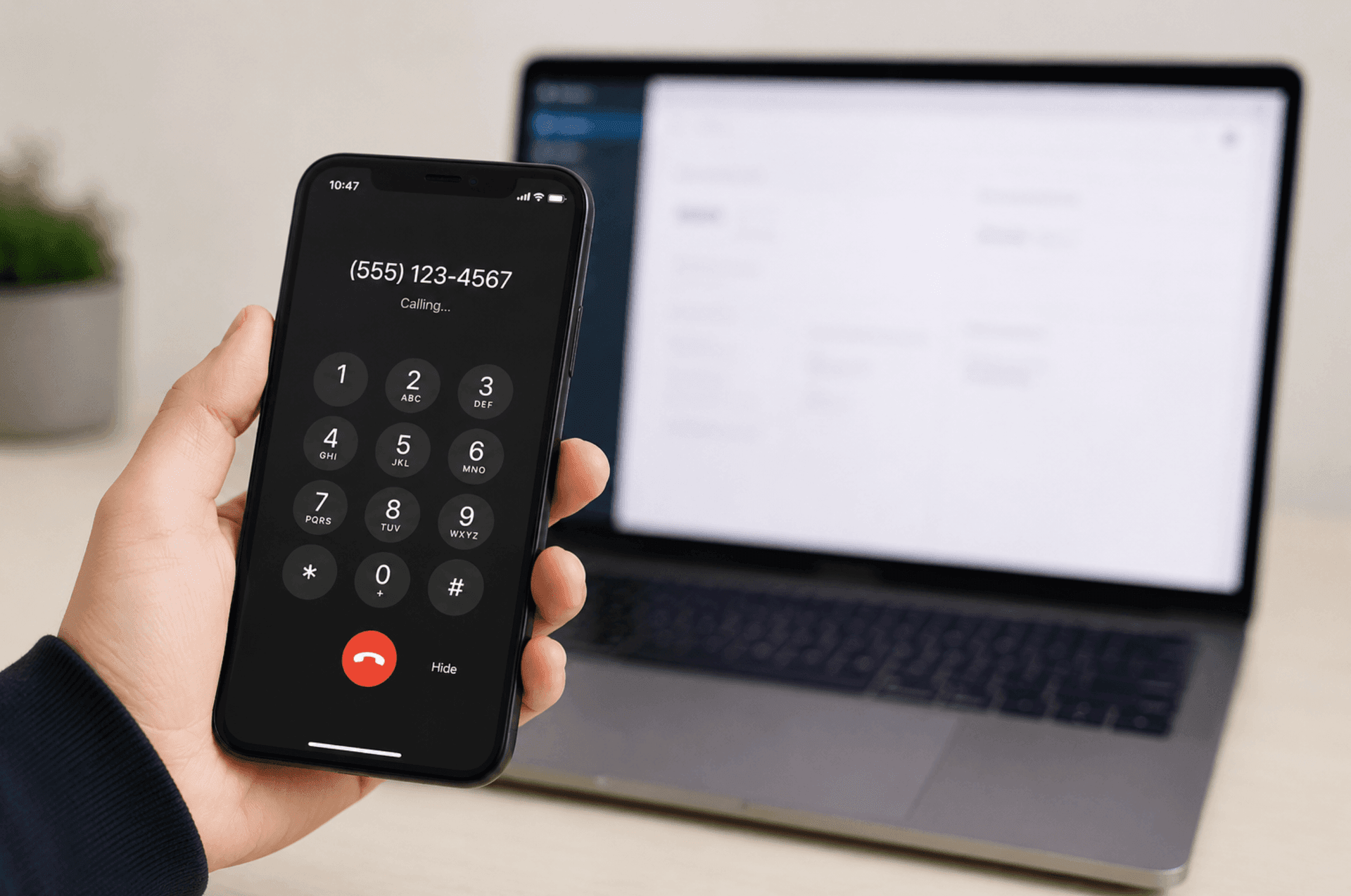
Call from any browser
No app and no SIM. Place the call from your computer or phone in seconds.
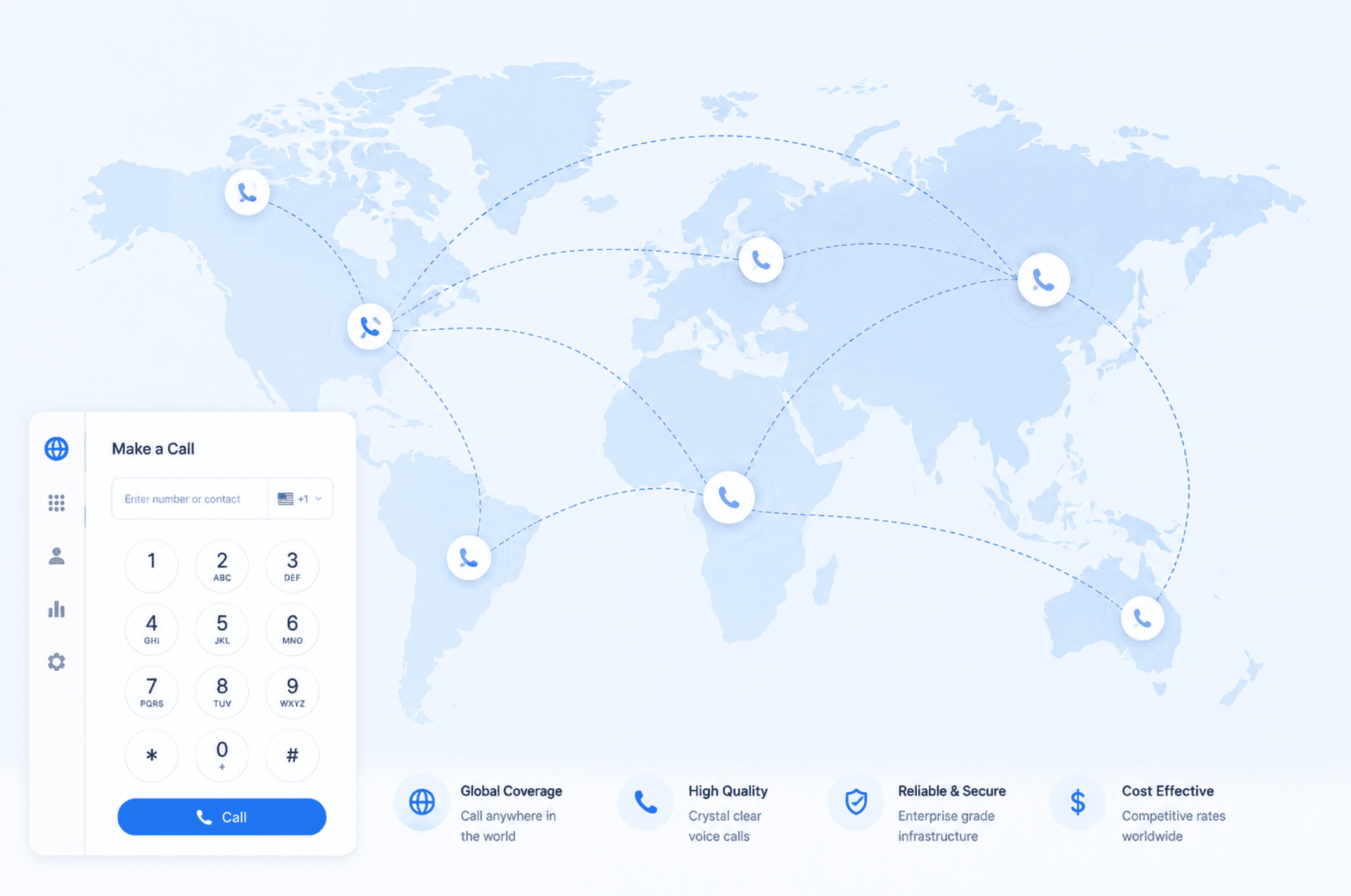
Low rates to 190+ destinations
Clear per minute pricing, shown before you dial. Pay as you go, no monthly fee.
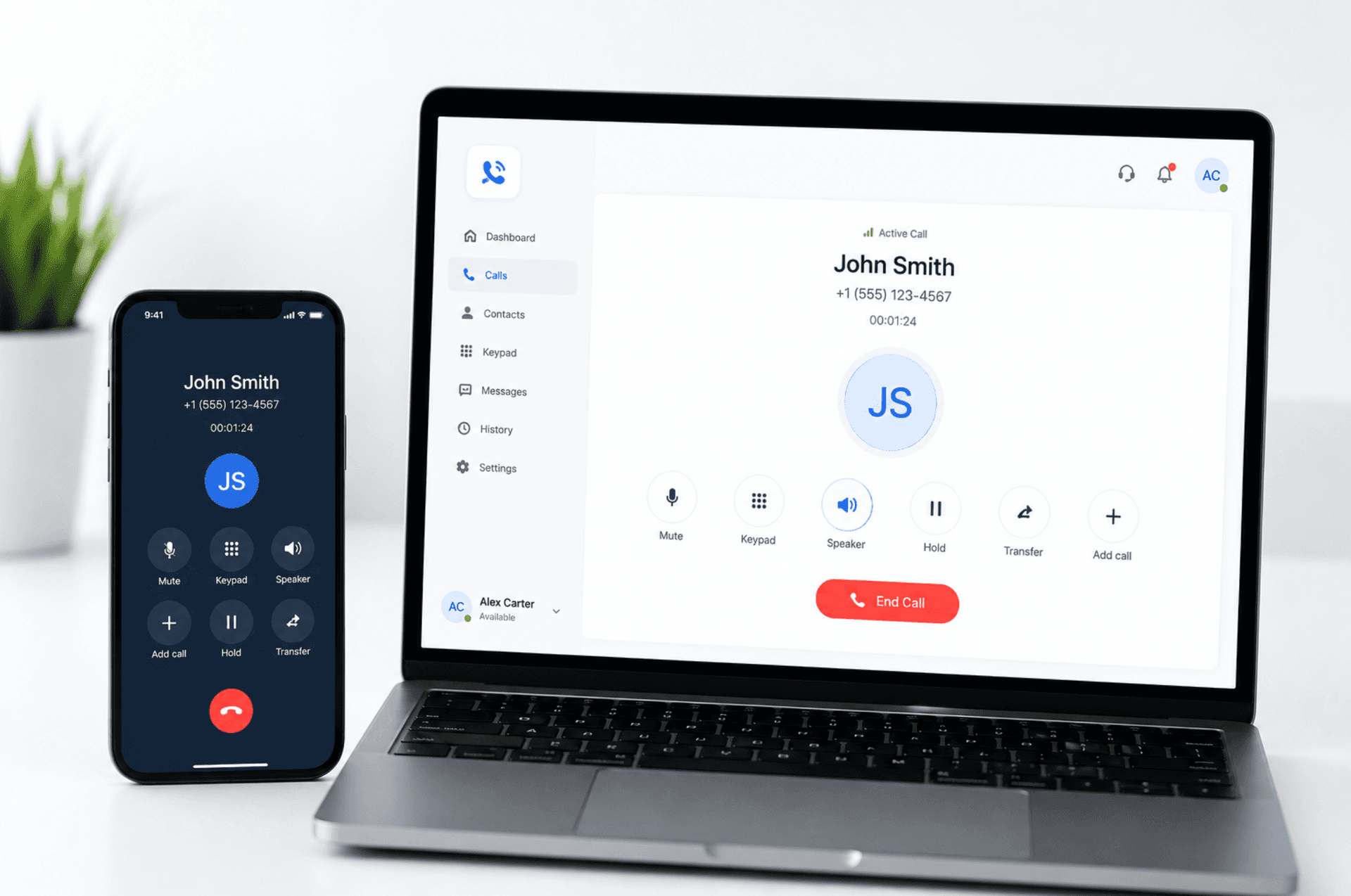
One balance, every device
Start on your laptop, continue on your phone, all at the same low rate.