Low Latency Voice Calls,
Right in Your Browser
Dial from your browser in seconds and pay cheap per minute rates. Nothing to install, and calling out never needs a phone number.
Quick facts
- Outbound: No dedicated number, just low per minute rates.
- Inbound: Needs a US/Canada digital number ($2.14 to $5/month).
- No apps: Runs in Chrome, Safari, Edge, Firefox.
Your Guide to Low Latency Browser Calls
Hands on tips to cut delay and keep conversations smooth while you call from a browser, all at budget friendly rates.
Lean on WebRTC and Opus
WebRTC carries media peer to peer, while Opus is a low delay codec that adjusts to your network and holds voice quality even at small frame sizes.
Favor Direct Paths
Turn on ICE with STUN to build direct connections. Skip TURN relays where you can, since relays tack on extra hops and delay. Route by region so media stays near your users.
Tune Your Buffers
Set jitter buffers and playout delay to the lowest safe values. Adaptive jitter buffering trims audible gaps while holding latency down.
More Best Practices
- Watch packet loss and jitter live, then tweak bitrate or codec settings whenever it helps.
- Lean on UDP transport for media when you can, and secure it with transport layer encryption such as SRTP for safe, low latency audio.
- Pick server and gateway locations near both your users and the PSTN endpoint so routing paths stay short.
The tech that keeps both delay and cost low
How Intercalling engineers for speed, reliability, and low prices.
WebRTC to PSTN bridging
We connect in-browser WebRTC sessions to the Public Switched Telephone Network through regional gateways. Media paths stay short, so latency drops compared with long carrier chains, and so do your per minute costs.
AI Help with No Lag
Live transcription and related features run on streaming models with low latency speech recognition, so prompts and summaries appear during the call without pause.
Live Call Analytics
Follow RTT, jitter, packet loss, and codec performance on every call. Lean on the data to find regions with higher delay and steer around trouble fast.
Virtual Numbers and Smart Routing
Hand out virtual numbers in the countries you dial, so replies stay local and media stays short. Regional routing shaves latency off international conversations and keeps rates low.
Frequently Asked Questions
How much latency should I plan for on browser calls?
When peers sit close together, browser to browser calls often come in under 150 ms round trip time. Calls that cross continents run higher. Intercalling tunes routing to keep delay to the PSTN endpoint as small as possible.
How does Intercalling cut delay versus traditional calling?
Intercalling relies on WebRTC and regional media gateways to sidestep long carrier chains and needless relays. Media paths get shorter and end to end delay falls, all while you pay cheap per minute rates.
Do network conditions still affect latency?
Yes. Packet loss, jitter, and congestion all shape the delay you hear. Our live analytics and adaptive media settings let you catch and ease these issues quickly.
Can I place test calls from my own region?
Yes. Create an account and run test calls right in your browser. Live metrics show latency, jitter, and packet loss so you can confirm performance before you roll out to users.
Ready to make low latency calls for less?
Sign up and place your first browser call within seconds, with transparent pay as you go pricing and nothing to download.
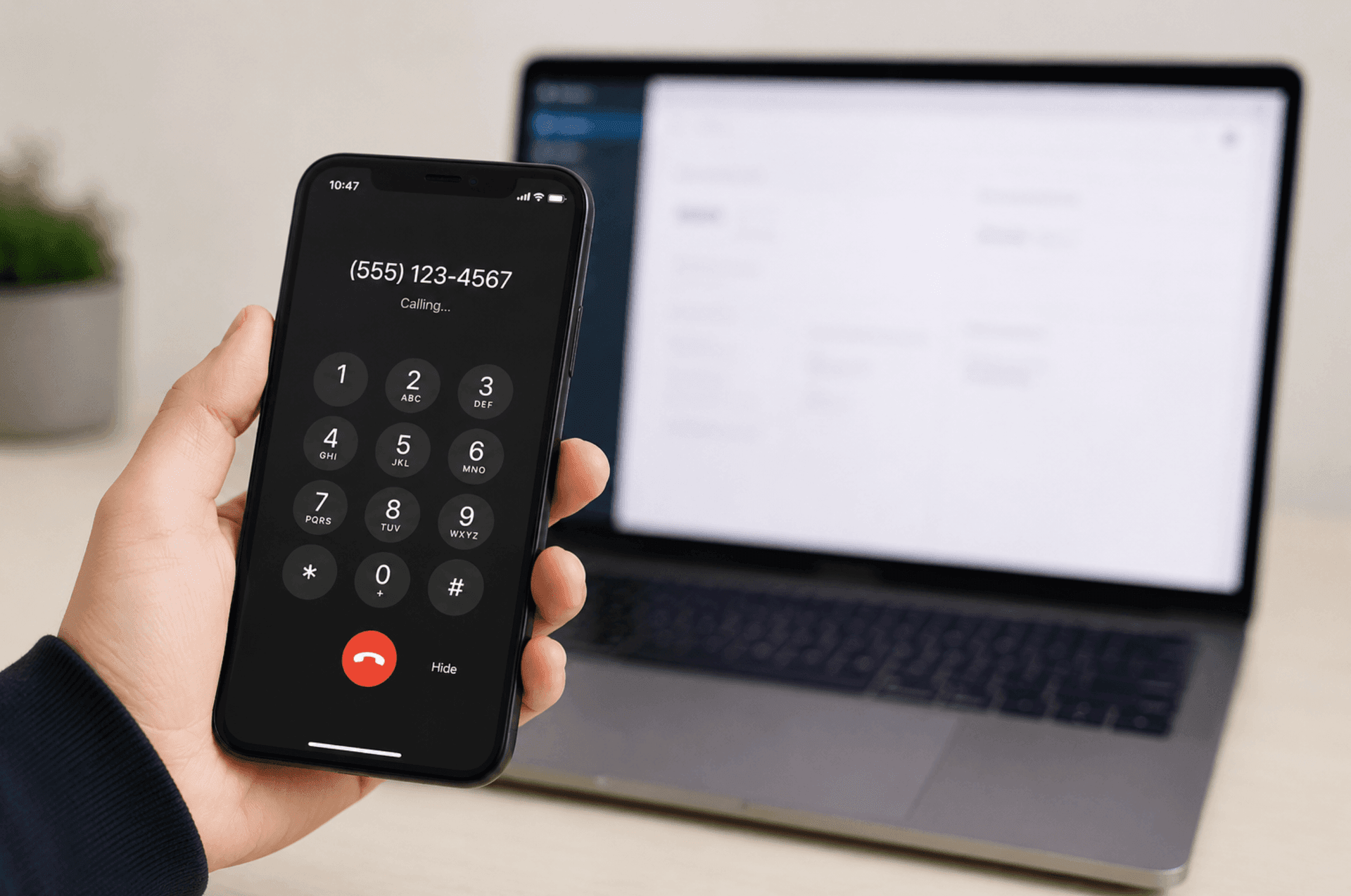
Call from any browser
No app and no SIM. Place the call from your computer or phone in seconds.
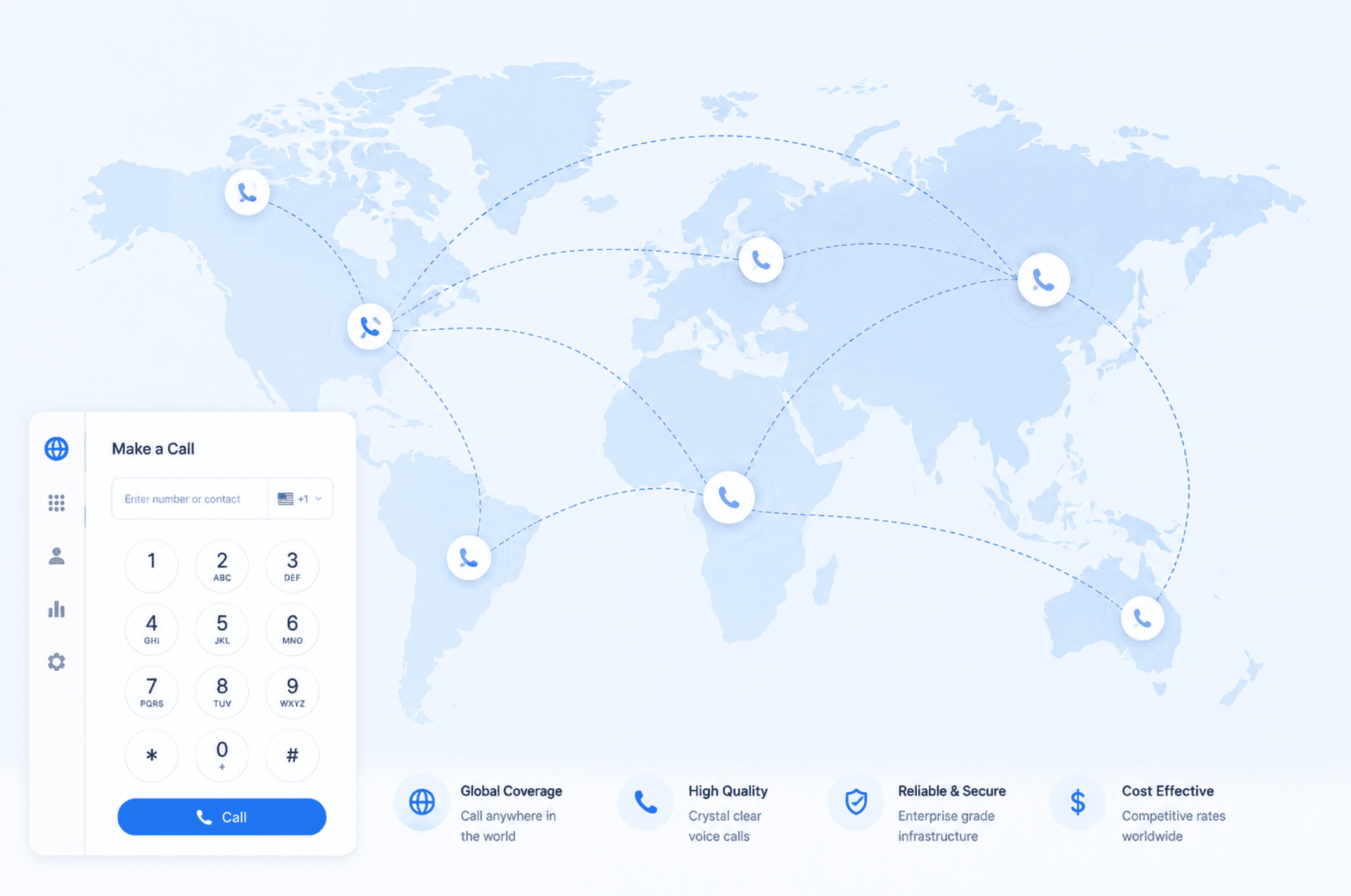
Low rates to 190+ destinations
Clear per minute pricing, shown before you dial. Pay as you go, no monthly fee.
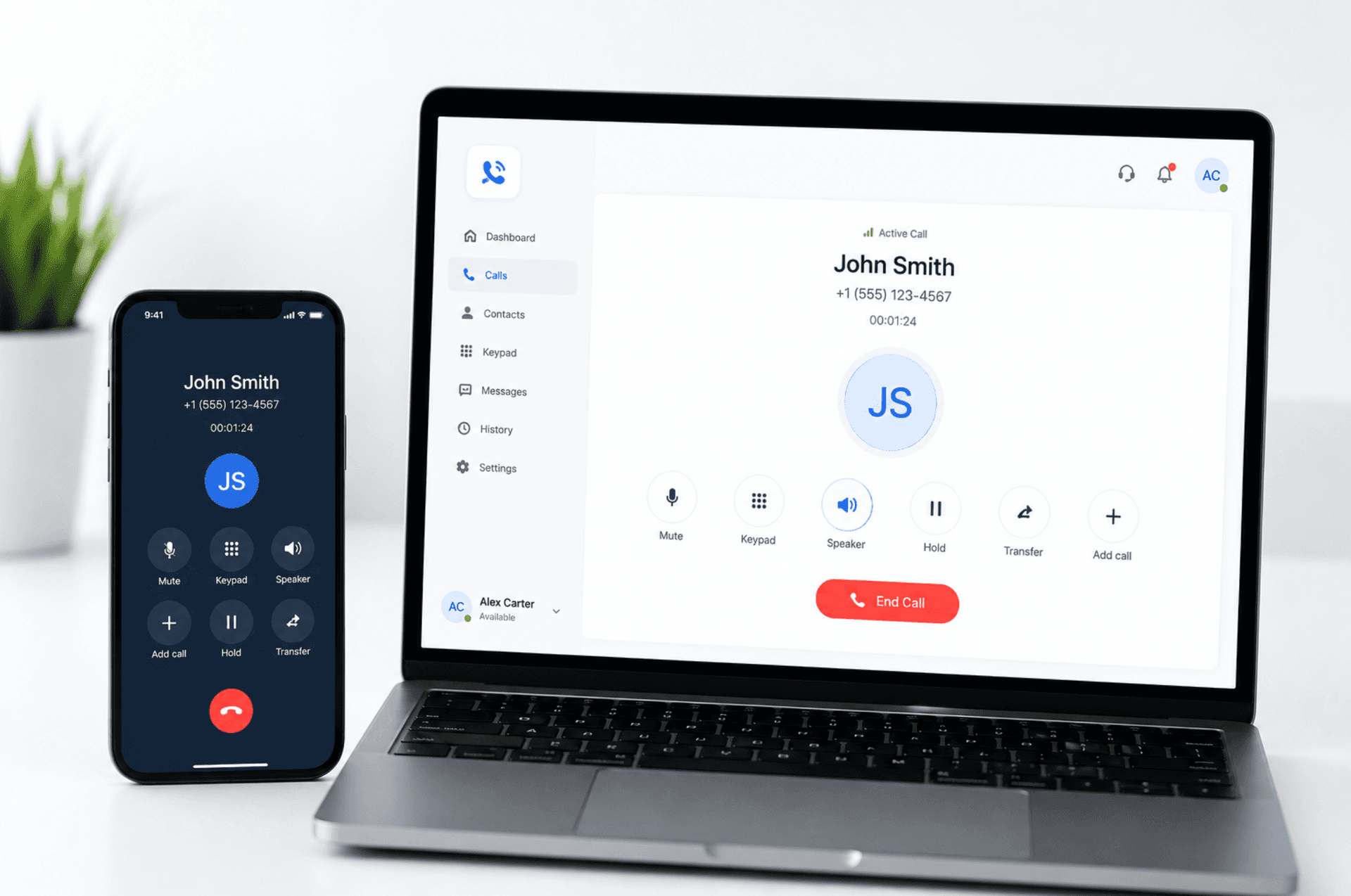
One balance, every device
Start on your laptop, continue on your phone, all at the same low rate.