Google Duo alternatives for low bandwidth
Dial straight from your browser in seconds at low pay as you go rates. Nothing to install, and outbound calls never need a phone number.
Product facts
- Outbound: Dial out with no dedicated number, just low per minute rates.
- Inbound: Add a US/Canada digital number ($2.14 to $5/month).
- No apps: Runs in Chrome, Safari, Edge, and Firefox.
Product facts
- Outbound: Dial out with no dedicated number, just low per minute rates.
- Inbound: Add a US/Canada digital number ($2.14 to $5/month).
- No apps: Runs in Chrome, Safari, Edge, and Firefox.
Keeping calls clear when bandwidth runs low
A few low cost moves that keep your voice crisp and shut out dropouts when the network is stretched thin.
Lead with audio-only
Video eats the most bandwidth by far. Turning it off drops the bitrate you need, steadies the connection, and trims your data bill. Most browser tools let you mute video mid call without hanging up.
Lean on adaptive codecs
Pick a service built around Opus or narrowband codecs. They flex with shifting network conditions and keep speech easy to follow even when the bitrate is tiny.
Cut background traffic
Quit any app or tab that is busy uploading or downloading. Give the call first claim on the line by plugging into a wired connection or sitting closer to the router.
Fast pre-call checklist
Right before you dial: flip on audio-only, plug in a headset, pause any heavy downloads, and reach for your browser's web call option. If the line still sounds rough, move to a voice-optimized service that pairs adaptive bitrate with jitter buffers, all on cheap pay as you go minutes.
Google Duo alternatives that thrive on low bandwidth
Picks that hold their own, and keep costs down, when bandwidth is scarce or patchy.
Intercalling Browser Calls
Browser-first VoIP with an audio-only mode, adaptive codecs, and direct PSTN dialing, billed by the minute with no surprises. Nothing to install, built on Twilio, and tuned for low-bandwidth voice.
- WebRTC audio-only calls
- Virtual numbers plus PSTN bridging
- Real-time analytics that track call quality
Jitsi Meet (configure for low bandwidth)
An open-source WebRTC platform. Shut off video, drop the resolution, and disable simulcast to hold steady audio across slow networks.
Signal or WhatsApp (app-based)
Both rely on efficient codecs and can keep voice quality up on weak connections. They ask you to install an app, yet they are well tuned for mobile networks.
Looking for a browser-first option that puts low-bandwidth performance, direct phone access, and cheap per minute rates first? Intercalling makes the move to audio-first calling from any browser effortless.
Tuning tips for unreliable networks
Small tweaks that tend to move the needle the most.
Wear a headset
A headset sharpens echo cancellation and tends to cut the packet retransmits that come from a muffled microphone.
Shut background apps
Pause downloads, cloud sync, and video streaming during the call so bandwidth goes where it counts.
Go wired where you can
Ethernet or a solid hotspot beats weak Wi-Fi for steadiness.
Run a quick test call
Make a 30 second test to gauge packet loss and jitter, then drop to audio-only if the numbers look rough.
Frequently Asked Questions
Will going audio-only rescue my call?
Usually it does. Audio sips a fraction of the bandwidth that video needs and shrugs off packet loss far better. When video is the culprit, dropping to audio-only tends to bring clarity right back.
Are plugins needed for browser calls?
No. Today's browsers ship with WebRTC and handle voice calls without a single plugin or download. Intercalling runs start to finish inside the browser.
Which signals point to a weak connection?
Watch for heavy packet loss, jitter above 30ms, and repeated rebuffering. Plenty of services surface live stats so you can pin down the trouble fast.
Do adaptive codecs hold up on mobile?
Yes. Opus and other adaptive codecs run on mobile browsers and apps, and they can lift voice quality sharply over cellular networks.
Ready for a low-bandwidth browser call?
Start dialing from your browser with audio-first settings, automatic codec tuning, and clear pay as you go rates. No downloads, no contracts.
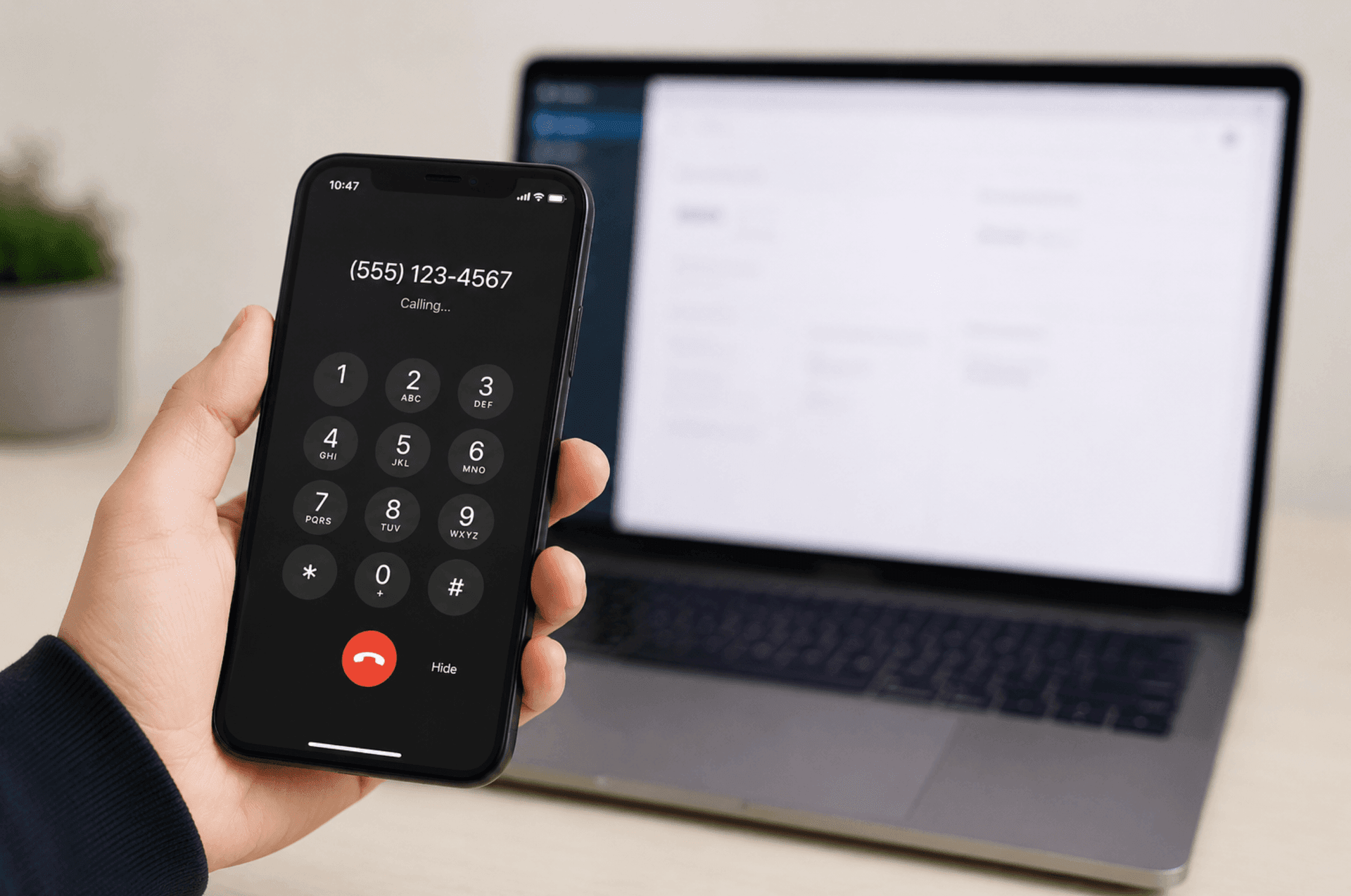
Call from any browser
No app and no SIM. Place the call from your computer or phone in seconds.
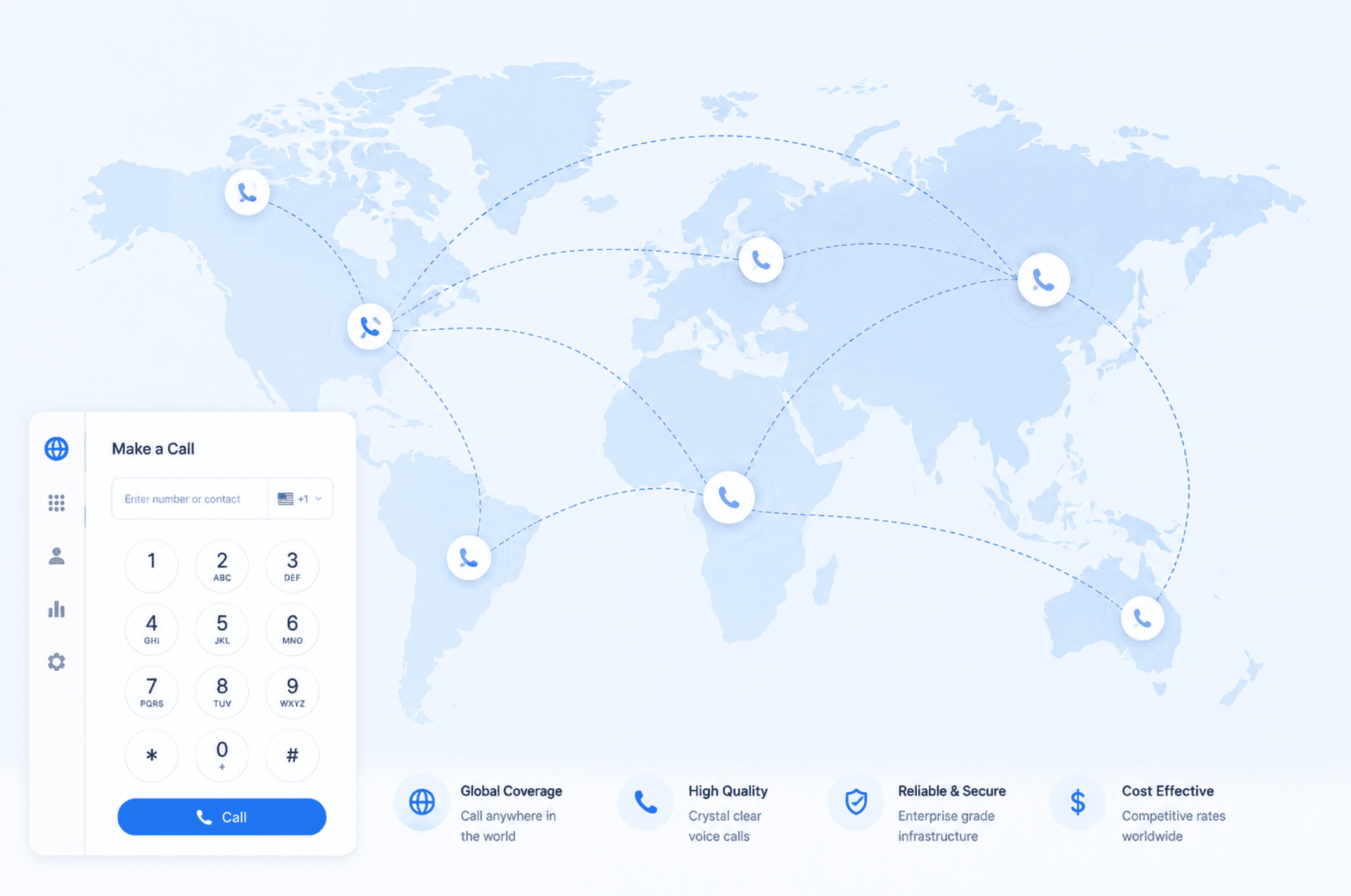
Low rates to 190+ destinations
Clear per minute pricing, shown before you dial. Pay as you go, no monthly fee.
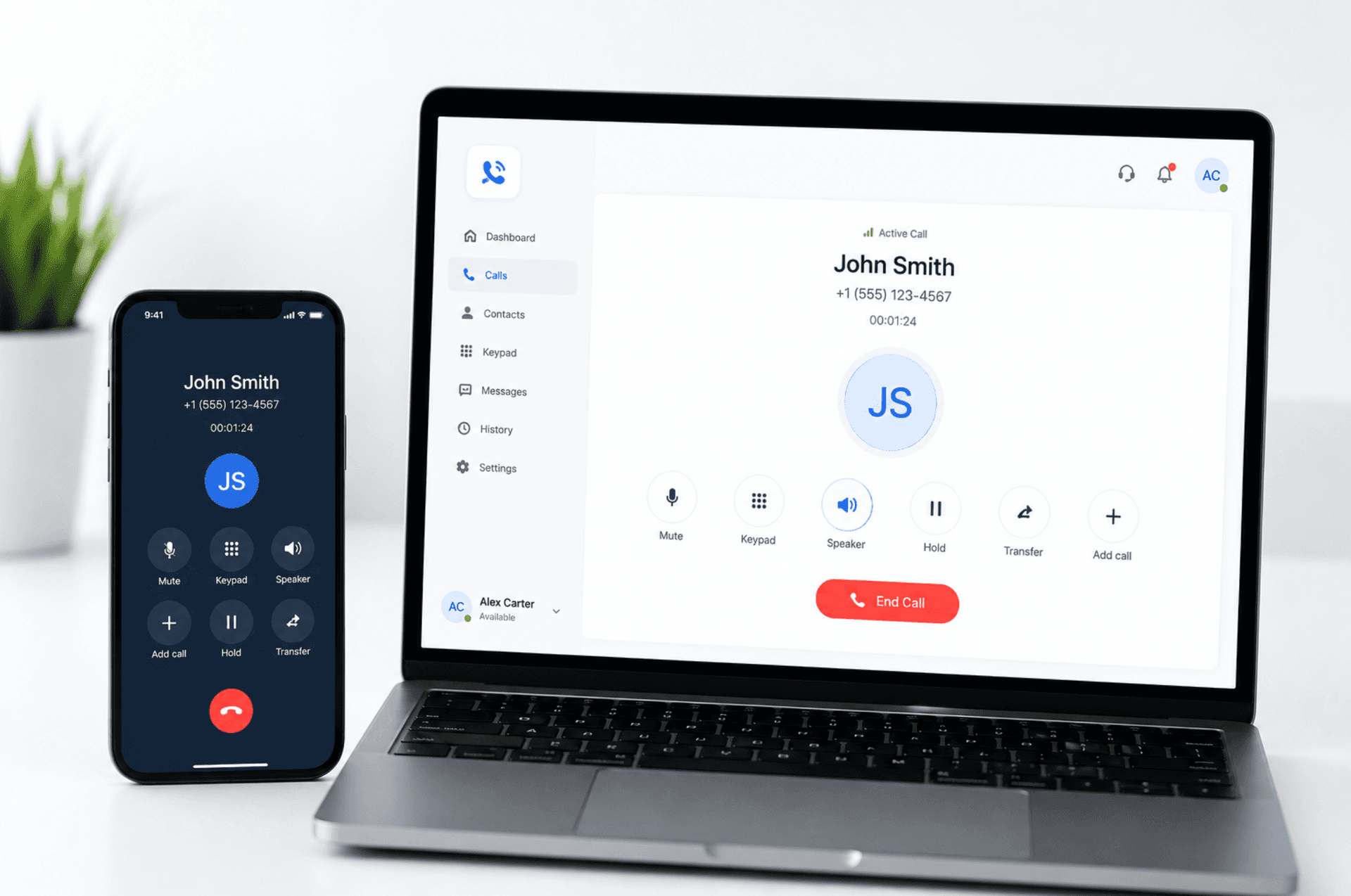
One balance, every device
Start on your laptop, continue on your phone, all at the same low rate.