Low Cost IMO App Alternatives
for the Middle East
Dial from your browser in seconds and pay only for the minutes you talk. Nothing to install, and outbound calls need no phone number of your own.
What you get
- Outbound: Pay as you go, no number to buy.
- Inbound: Add a US/Canada digital number ($2.14 to $5/month).
- No apps: Runs in Chrome, Safari, Edge, Firefox.
What you get
- Outbound: Pay as you go, no number to buy.
- Inbound: Add a US/Canada digital number ($2.14 to $5/month).
- No apps: Runs in Chrome, Safari, Edge, Firefox.
IMO Replacements Worth Comparing in the Middle East
Pick from these apps and services based on whether you want app to app calling, full PSTN reach, or low cost browser calling.
A hugely popular messaging app that carries voice and video over the internet. Across parts of the Gulf, the calling features are sometimes blocked even though text messaging keeps working.
Telegram
Best known for messaging and big group chats. It offers voice calls, with strong encryption and generous file sharing as standout traits, though whether calling works comes down to local policy.
Signal
A privacy focused messenger with secure voice and video. It is a solid pick when you need end to end encryption, although network level blocks can sometimes interfere with connecting a call.
Skype / Viber / Zoom
Well established platforms built for calling and conferencing. In markets that restrict unlicensed VoIP, their calling features may be capped or simply unavailable.
BOTIM and licensed local apps
Where consumer VoIP is limited, licensed local apps fill the gap. In the UAE, for instance, operator approved apps deliver voice and video calling within the local rules.
Browser PSTN calling with Intercalling
Place calls straight from your browser to real phone numbers using a virtual number and PSTN bridging, billed by the minute. Handy when app to app calling is not an option or you simply need to reach landlines and mobiles.
Where browser PSTN calling makes the most sense
When you need to ring local landlines or mobiles, skip any app install, or want business controls such as call analytics and virtual numbers, browser based PSTN calling tends to be the best fit, and you only pay for the minutes you use.
How VoIP and App Rules Vary in the Middle East
A short rundown of the regulatory points worth weighing as you choose an IMO replacement.
Local licensing rules
A number of countries require VoIP services to hold a license from the national operators. Where calling is licensed, it usually arrives through operator approved apps or partners.
Planning to offer voice service to customers in a given country? Review the local telecom regulator and the operator terms first.
App calls versus PSTN reach
App to app calls only connect when both people have the app and the network allows it. PSTN calling rides on ordinary phone numbers and goes through even when the other person has no app at all.
For dependable business reach, many teams lean on PSTN bridging.
A practical tip
If you work across several Middle East countries, trial both an app based workflow and a browser PSTN workflow. Virtual numbers in the country you are calling lift local presence and push up answer rates.
Why Intercalling works as a low cost IMO alternative
Intercalling delivers browser calling that bridges WebRTC across to the PSTN. So you can dial any phone number from your browser at cheap per minute rates, with no app for the person you are calling to install.
- Browser based calling with nothing to install
- Virtual phone numbers across 190+ countries
- PSTN bridging that reaches landlines and mobiles
- Autonomous agents that handle calls for you
- Real time analytics and full call logs
Local presence
Pick up virtual numbers to display a local caller ID and win more answered calls across the Middle East.
Global reach
Reach any mobile or landline worldwide straight from your browser.
Security
Encrypted browser sessions with secure bridging through to the PSTN.
Fast setup
Set up in minutes and start dialing from your browser.
Frequently Asked Questions
Does app calling always work in the Gulf?
Not reliably. Several Gulf countries have long restricted unlicensed VoIP calling, so reach for a licensed local app or PSTN calling when you hit a block.
Can Intercalling stand in for IMO on business calls?
Yes. Intercalling is built for browser based calling to real phone numbers, and pairs pay as you go rates with business features like virtual numbers and analytics.
Does the person I call need an app to answer?
No. When you dial a mobile or landline, they simply pick up on their normal phone, with no app required.
How secure is browser calling?
Very. Intercalling relies on secure WebRTC connections and encrypted transport when bridging across to its PSTN partners.
Ready to switch away from IMO?
Begin dialing real phone numbers from your browser and pay only for the minutes you use. The person you call needs no app. Sign up and give it a try.
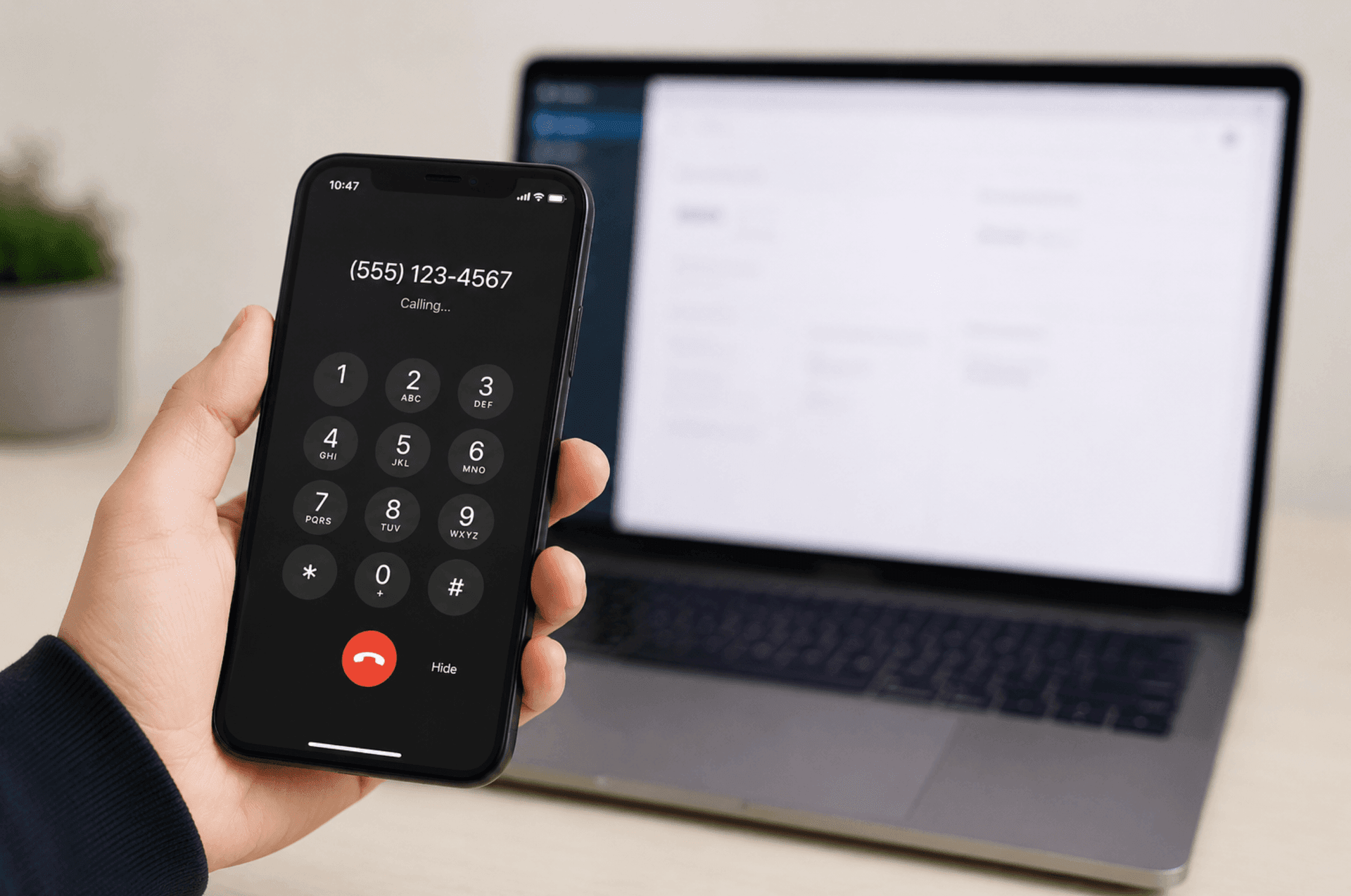
Call from any browser
No app and no SIM. Place the call from your computer or phone in seconds.
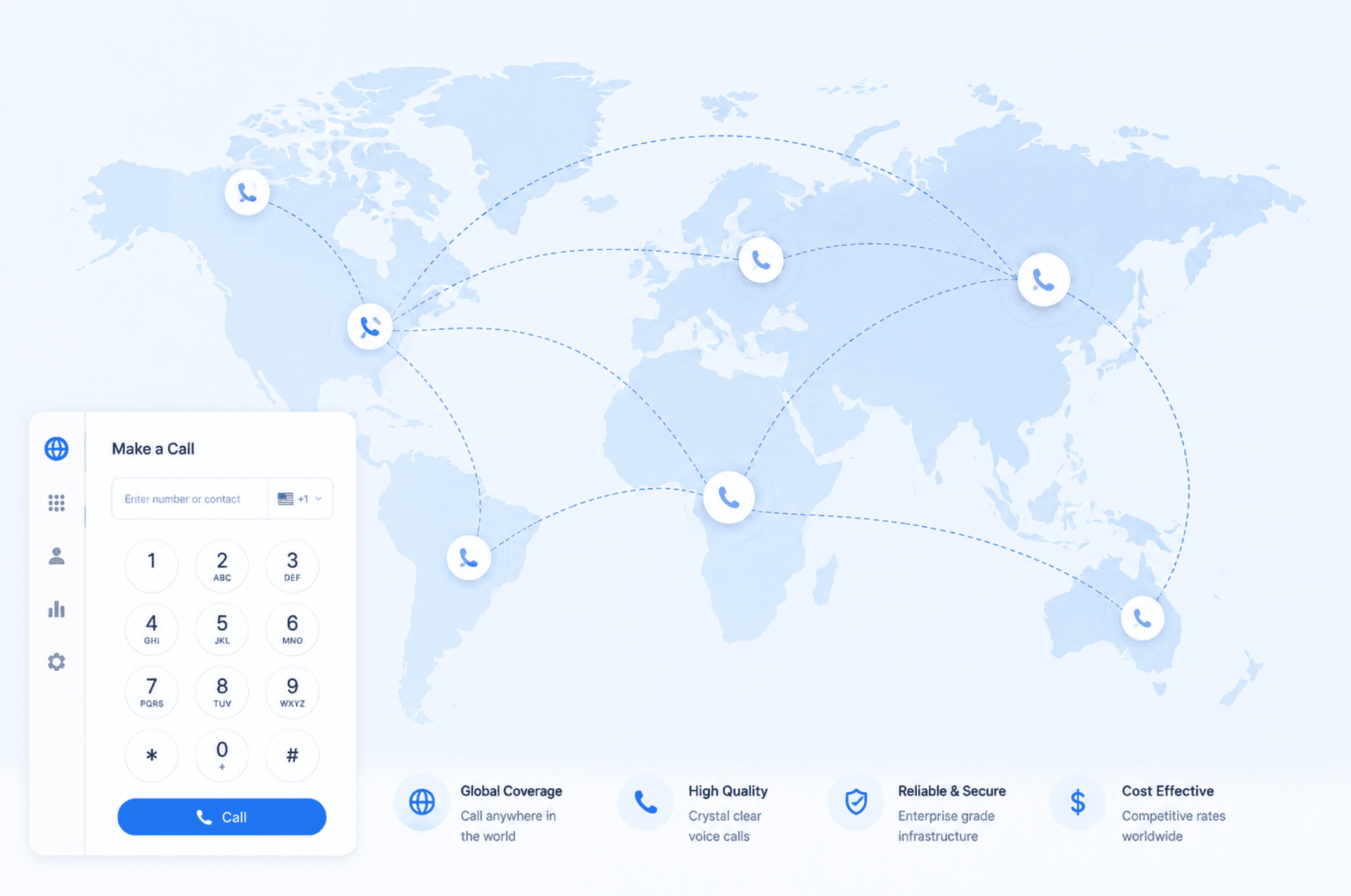
Low rates to 190+ destinations
Clear per minute pricing, shown before you dial. Pay as you go, no monthly fee.
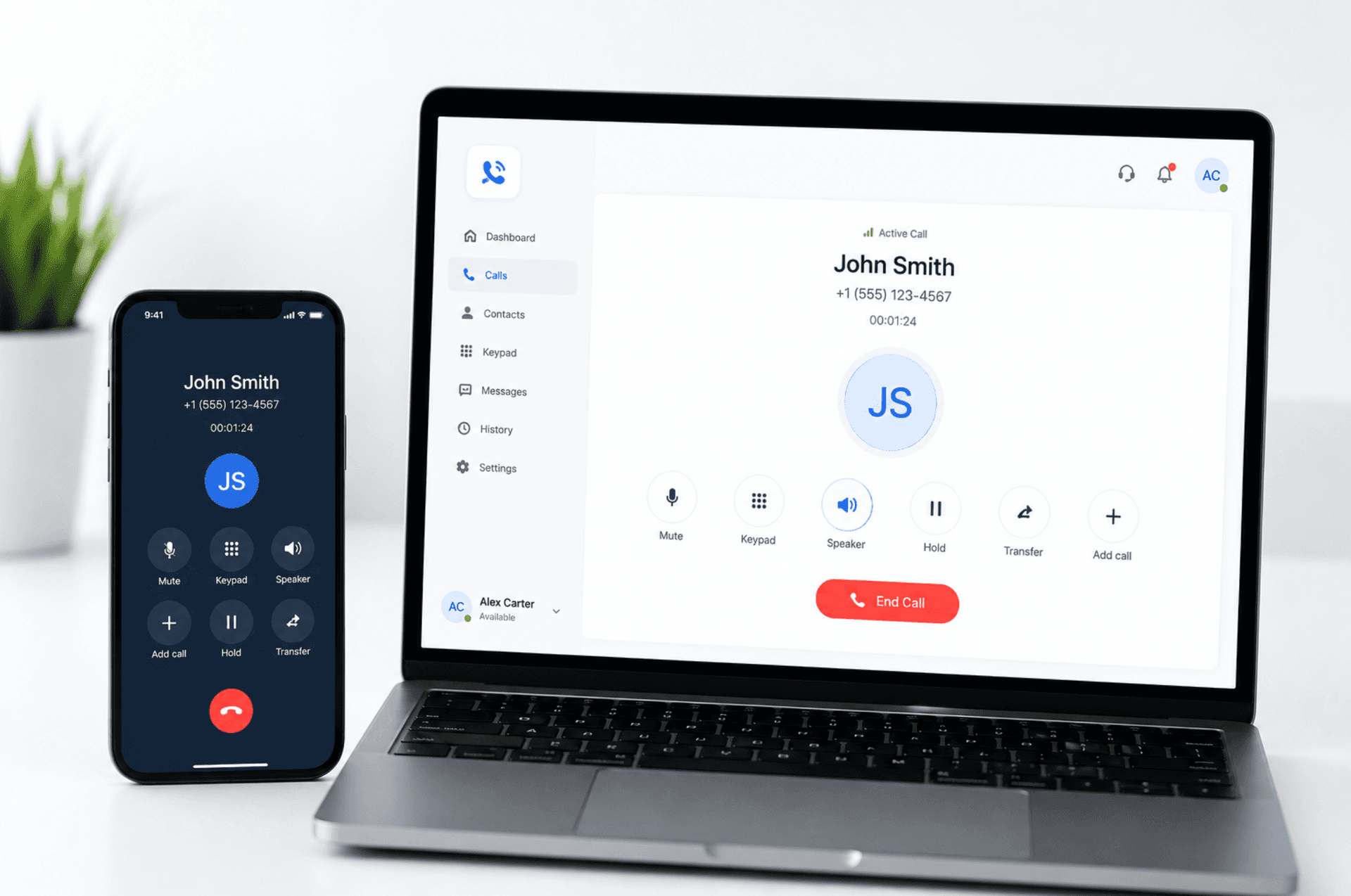
One balance, every device
Start on your laptop, continue on your phone, all at the same low rate.