Why Your WhatsApp Calls Keep Dropping and How to Fix It
Few things sting like a WhatsApp call that cuts out mid sentence. Below we break down what actually causes the drops, walk through fixes you can try this minute, and show when moving to pay as you go browser calling at low per minute rates gives you steadier business calls.
- The line cuts out within seconds of connecting
- Hold music or one way audio just before the drop
- Calls refuse to connect or keep reconnecting
What Makes WhatsApp Calls Drop
Shaky network
When packet loss, jitter, or latency spikes, the live audio stream falls apart. Crowded WiFi and cellular handoffs are the usual suspects.
Firewall and NAT trouble
Router or carrier settings sometimes block UDP and WebRTC traffic, or sever the connection when a NAT mapping refreshes.
Device limits
Battery saver, scarce memory, or heavy handed OS background limits can shut down realtime processes and close the call.
App or OS glitches
An out of date WhatsApp build or a fresh OS update can introduce regressions that hurt audio stability.
Handoffs and roaming
Hopping between cell towers, or between WiFi and mobile data mid call, can drop the session when the client cannot renegotiate quickly enough.
Outside interference
VPNs, proxies, and carrier-level optimizers can reshape packet flow and trigger drops or one way audio.
Fix It Step by Step
Quick fixes first
- Get closer to the WiFi router, or hop onto the 5 GHz band when you have one.
- Toggle between WiFi and mobile data to see which connection is letting you down.
- Switch off battery saver and lock screen limits for WhatsApp.
- Grant the app microphone and background activity permissions.
- Reboot the phone and bring WhatsApp up to the newest version.
Dig a little deeper
- Run a speed test and look at packet loss and jitter, since realtime audio depends on keeping both low.
- Briefly turn off any VPN, proxy, or ad blocker that reshapes your traffic.
- On WiFi, restart the router and see if a firmware update is waiting.
- Test on another device to rule out a phone specific fault.
Still dropping?
If you lean on steady voice quality for business or for calls you make all day, a browser calling solution built on WebRTC and a carrier backbone is worth a look. You get stronger NAT traversal, central monitoring, dependable PSTN fallback when you need it, and pay as you go pricing with low per minute rates instead of surprise bills.
When to Trade WhatsApp Calls for Browser Calling
WhatsApp works fine for chatting with friends. Once you need consistent uptime, clear diagnostics, and predictable cost, a browser-based WebRTC service with proper PSTN bridging hands you the control, reliability, and transparent per minute pricing that personal apps cannot.
- Central monitoring, watch call quality metrics and logs as they happen.
- Fewer firewall headaches, a proper WebRTC and TURN server setup cuts down NAT related drops.
- PSTN fallback, when the internet gets shaky, calls bridge onto the regular phone network so they keep going.
Where Intercalling fits in
Intercalling lives in your browser, runs on WebRTC, and bridges to the public phone network for dependable delivery, all on pay as you go pricing with low per minute rates. We take care of NAT traversal and TURN fallback and surface real time analytics so you can read call quality and pinpoint issues fast.
Frequently Asked Questions
Do WhatsApp servers cause the dropped calls?
Occasionally. A server outage or a regional problem can hit calls, yet the majority of drops trace back to your local network or device. Check WhatsApp status pages, or compare against another VoIP app, to tell the two apart.
Can a VPN make WhatsApp calls drop?
Yes. A VPN can add latency and reroute your traffic, which pushes up jitter and packet loss. Turn it off to see whether your calls settle down.
Does moving to 5 GHz WiFi help?
Usually it does. The 5 GHz band is less crowded than 2.4 GHz and carries more throughput, so it trims packet loss on real time calls.
Why do calls only drop when I walk around?
Handoffs between cell towers can break a live WebRTC session. Staying put on one steady connection, or picking a platform with stronger session mobility, smooths it out.
How can I measure call quality?
Run a network speed test that reports jitter, packet loss, and latency. Certain VoIP diagnostic tools can also simulate RTP streams to gauge real time performance.
Tired of calls cutting out?
Create an account and try browser calling in seconds. Nothing to install, full diagnostics to trace what is really behind your call drops, and pay as you go rates that stay low.
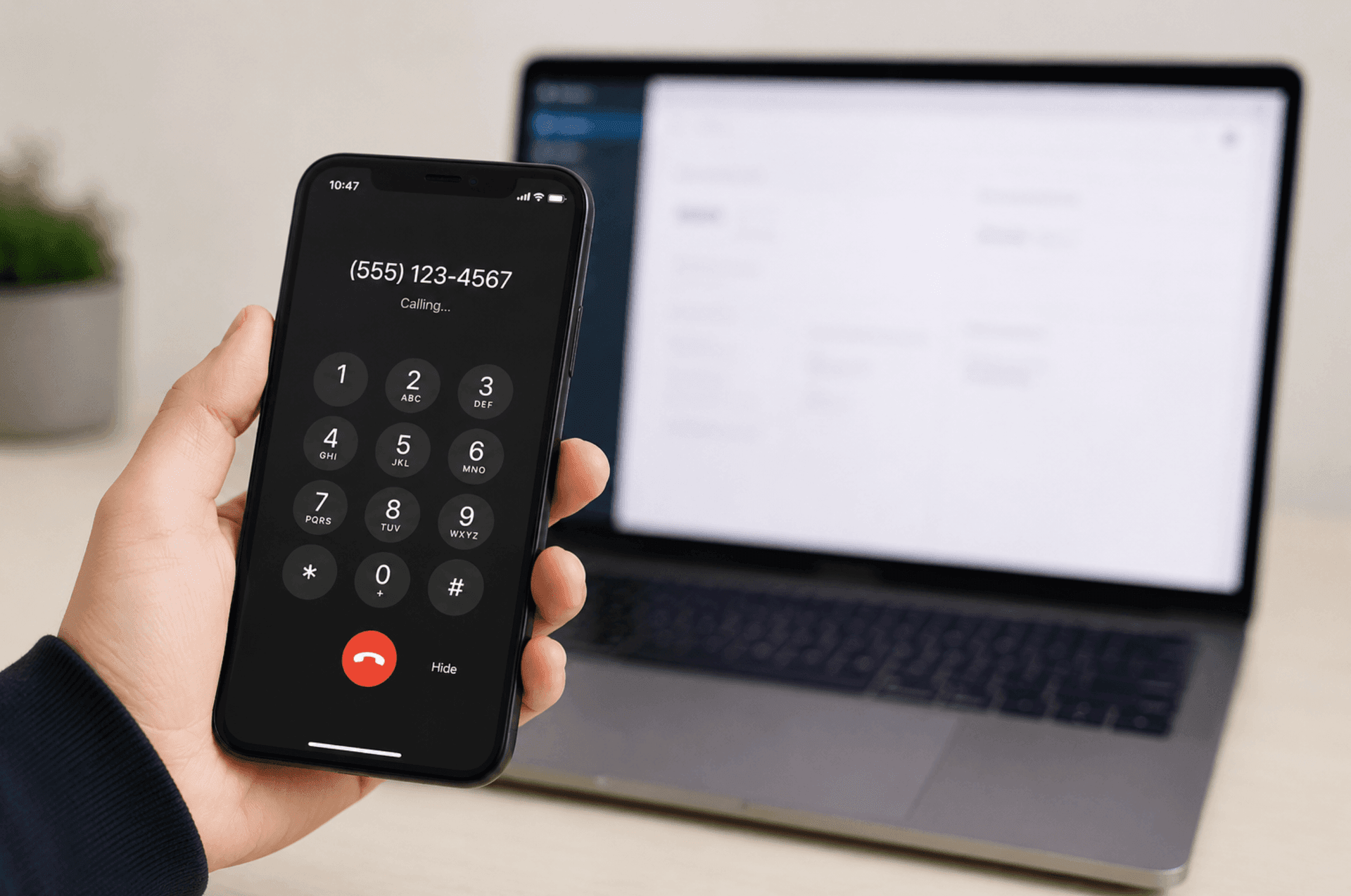
Call from any browser
No app and no SIM. Place the call from your computer or phone in seconds.
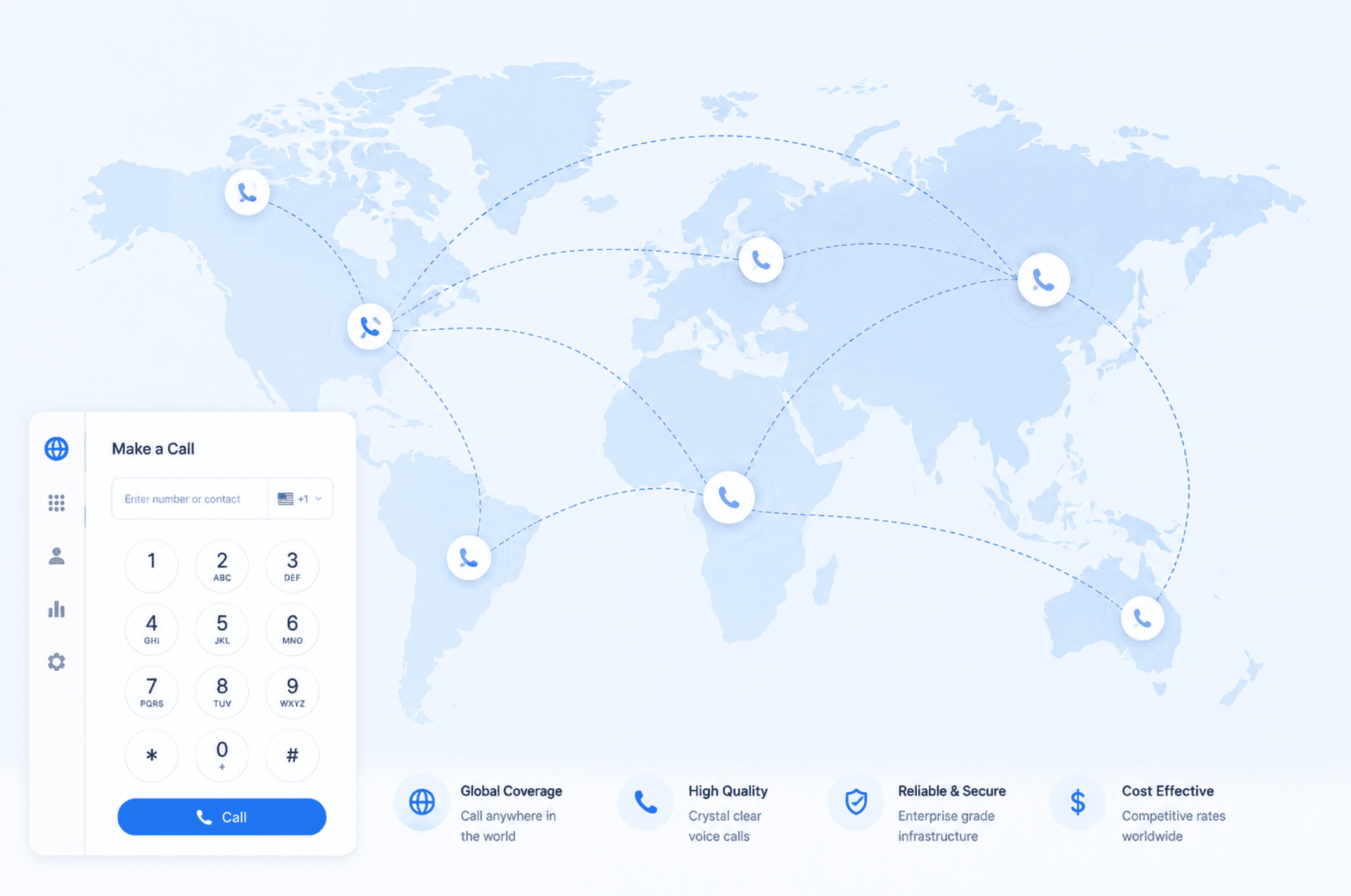
Low rates to 190+ destinations
Clear per minute pricing, shown before you dial. Pay as you go, no monthly fee.
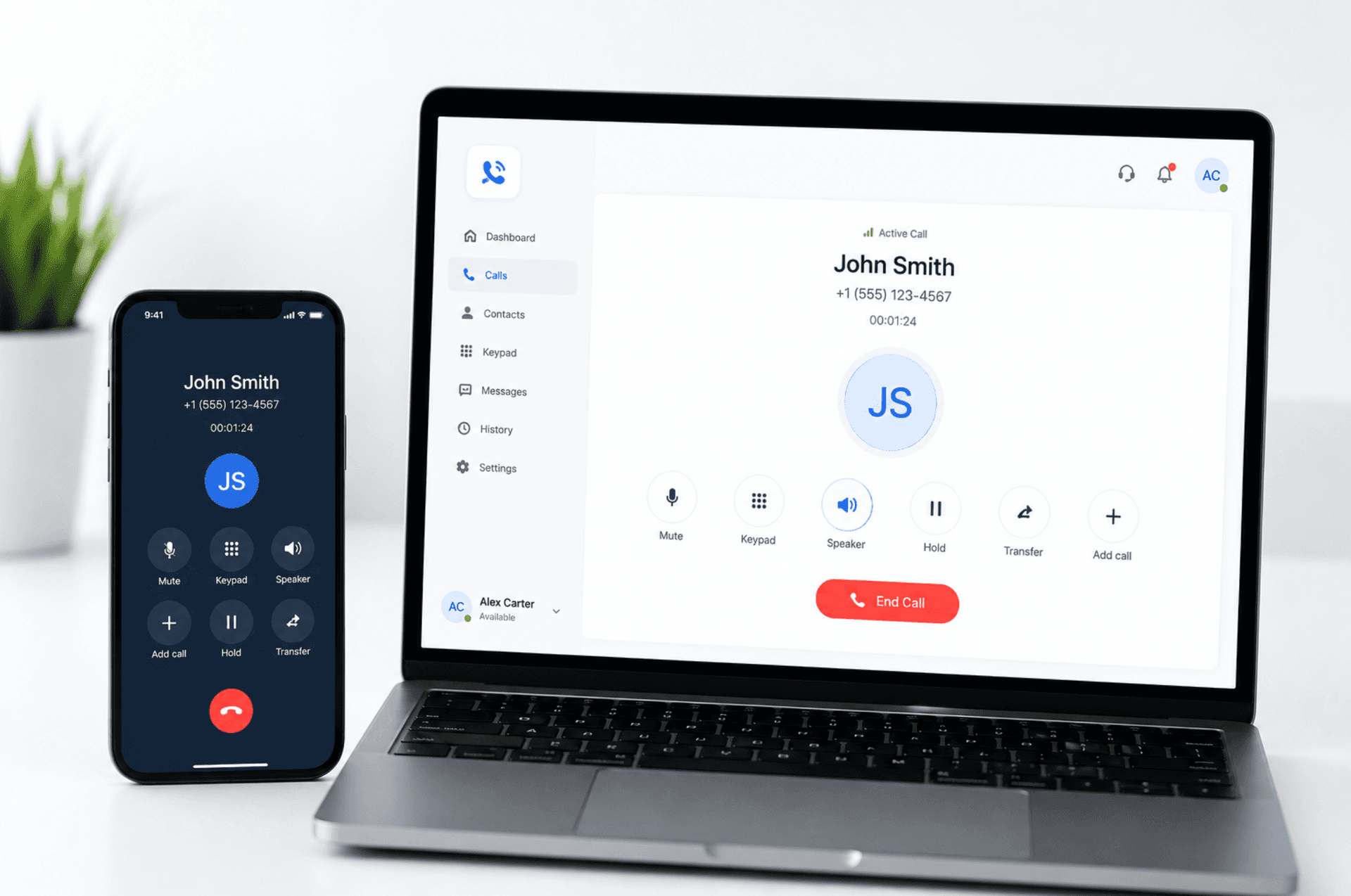
One balance, every device
Start on your laptop, continue on your phone, all at the same low rate.