Web based Alternatives to Dialpad
Dial out from any browser tab at low per minute rates, with nothing to download. You only pay for a number when you want to receive inbound calls.
The essentials
- Outbound: Pay as you go, no dedicated number to buy.
- Inbound: Add a US/Canada digital number from $2.14 to $5/month.
- No apps: Runs in Chrome, Safari, Edge, and Firefox.
Leading Web based Alternatives
A fast rundown of platforms that let you call straight from a browser, plus what makes each one stand out on price and features.
Intercalling
Genuine browser calling over WebRTC, bridged to the PSTN through Twilio, at transparent per minute rates. Built in and a real time copilot ride along on live calls. Pick up virtual numbers across 190+ countries plus deep analytics for teams and agencies.
- Browser first, zero installs
- Virtual numbers worldwide
- Real time copilot
RingCentral
An established UCaaS whose browser client covers calling, messaging, and meetings. Deep telephony features and integrations suit businesses that want a single unified platform.
- Enterprise grade features
- Ships a browser client
Zoom Phone
Zoom bolts a browser based phone onto its meeting platform. A sensible pick when your team already lives in Zoom for collaboration and wants telephony in the same place.
- Tied into Zoom meetings
- Worldwide PSTN reach
Other Options to Weigh
Aircall, Google Voice, Microsoft Teams calling, 8x8, and Nextiva each ship web clients to some degree. Compare them on browser support, virtual number stock, per minute pricing, APIs, and AI features.
Where Intercalling Stands Apart
Intercalling keeps everything to a pure browser experience with built in , a real time copilot during live calls, and quick access to virtual numbers worldwide, all at clear per minute rates. A Twilio backbone keeps PSTN connectivity reliable, and developer friendly APIs make integrations painless.
Features Worth Prioritizing
The capabilities that matter most, pricing included, when you move from Dialpad to a web based system.
Real Browser Calling
WebRTC calling drops the installs and makes rollout painless for distributed teams and agencies.
and Copilot
Live transcription, suggested replies, and autonomous voice agents quicken workflows and keep calls consistent.
Security and Compliance
Check for TLS and SRTP, encryption, and recording controls so you stay within regulatory requirements.
Virtual Numbers
Grab local and toll free numbers in the markets you serve to lift answer rates and build trust.
Analytics and Reporting
Live dashboards covering call duration, volume, and agent performance help you tune operations.
Integrations and API
Connect CRMs, helpdesk tools, and custom webhooks to automate workflows and sync call data.
Moving Off Dialpad
Down to earth steps for shifting your phone system to a web based provider without much disruption.
Export and Audit
Pull your contacts, extensions, and call logs. Review your virtual numbers and whatever porting they will need.
Provision Numbers
Buy fresh numbers or port your current ones, then line up call routing and IVR to mirror your existing flows.
Test and Switch
Place test calls, confirm voicemail and recordings work, then flip DNS, SIP, or trunking once you are confident.
Want a hand migrating?
Intercalling walks you through migration with an API first approach that recreates call flows, ports numbers, and keeps your agents working without a break. Sign up, kick off onboarding, and get help right away.
Frequently Asked Questions
Do I have to install an app to use these alternatives?
No. Plenty of modern providers run on WebRTC, so you dial straight from a supported browser with no native app to install.
Can I bring my current phone numbers with me?
Usually yes. Numbers can often be ported to a new provider. Check the porting rules for the countries involved and start porting before you switch so you avoid downtime.
What does an do on a call?
An delivers real time transcriptions, suggested responses, briefings, and context while a call is live, so agents handle conversations more effectively.
Can I get numbers in other countries?
Yes. Seek out providers that stock virtual numbers where you need them. Intercalling offers numbers across the US and Canada for a local presence.
Ready to leave Dialpad behind?
Sign up and start calling from your browser at low per minute rates, with AI assistance, virtual numbers, and real time analytics. Nothing to install.
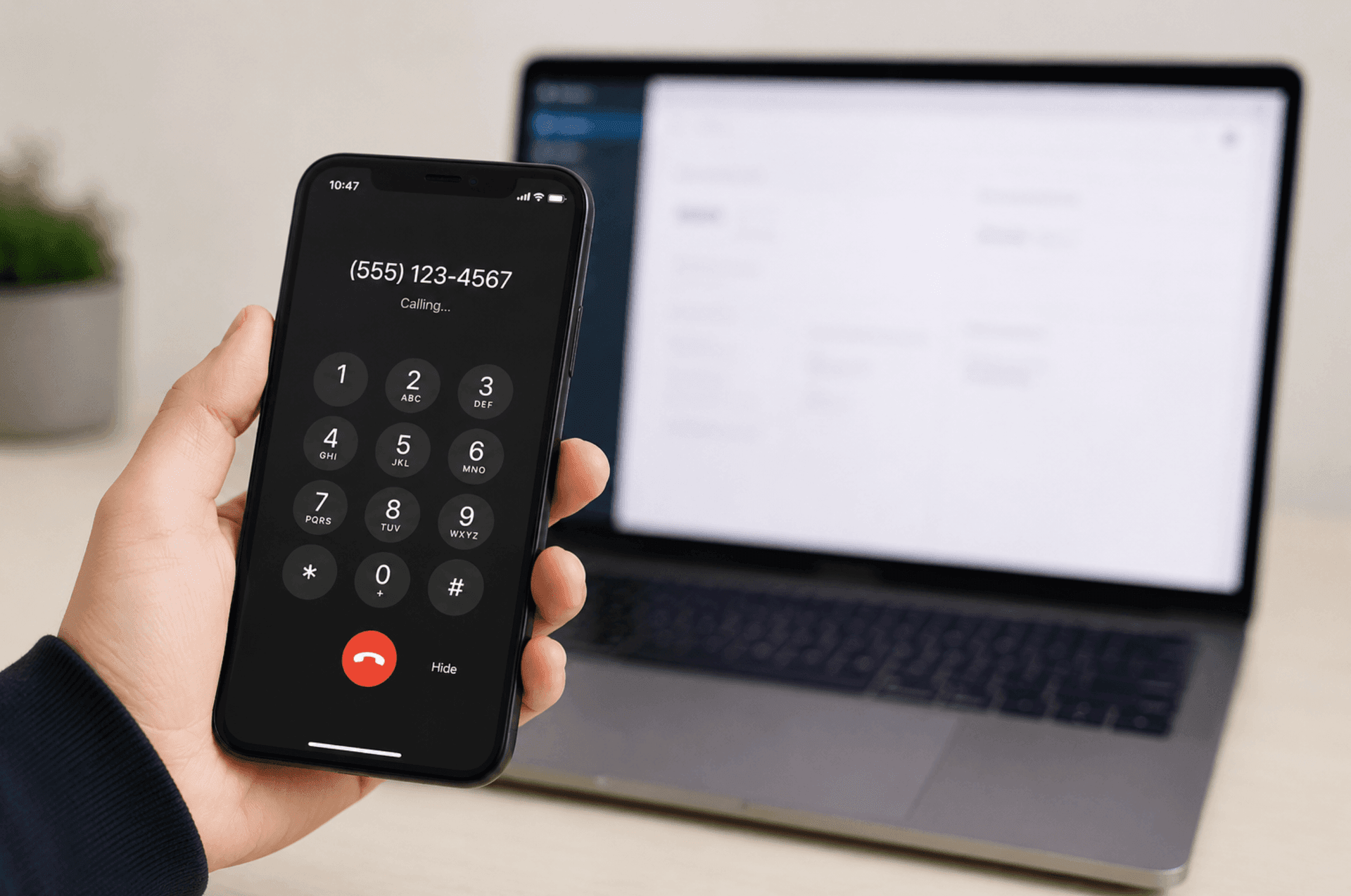
Call from any browser
No app and no SIM. Place the call from your computer or phone in seconds.
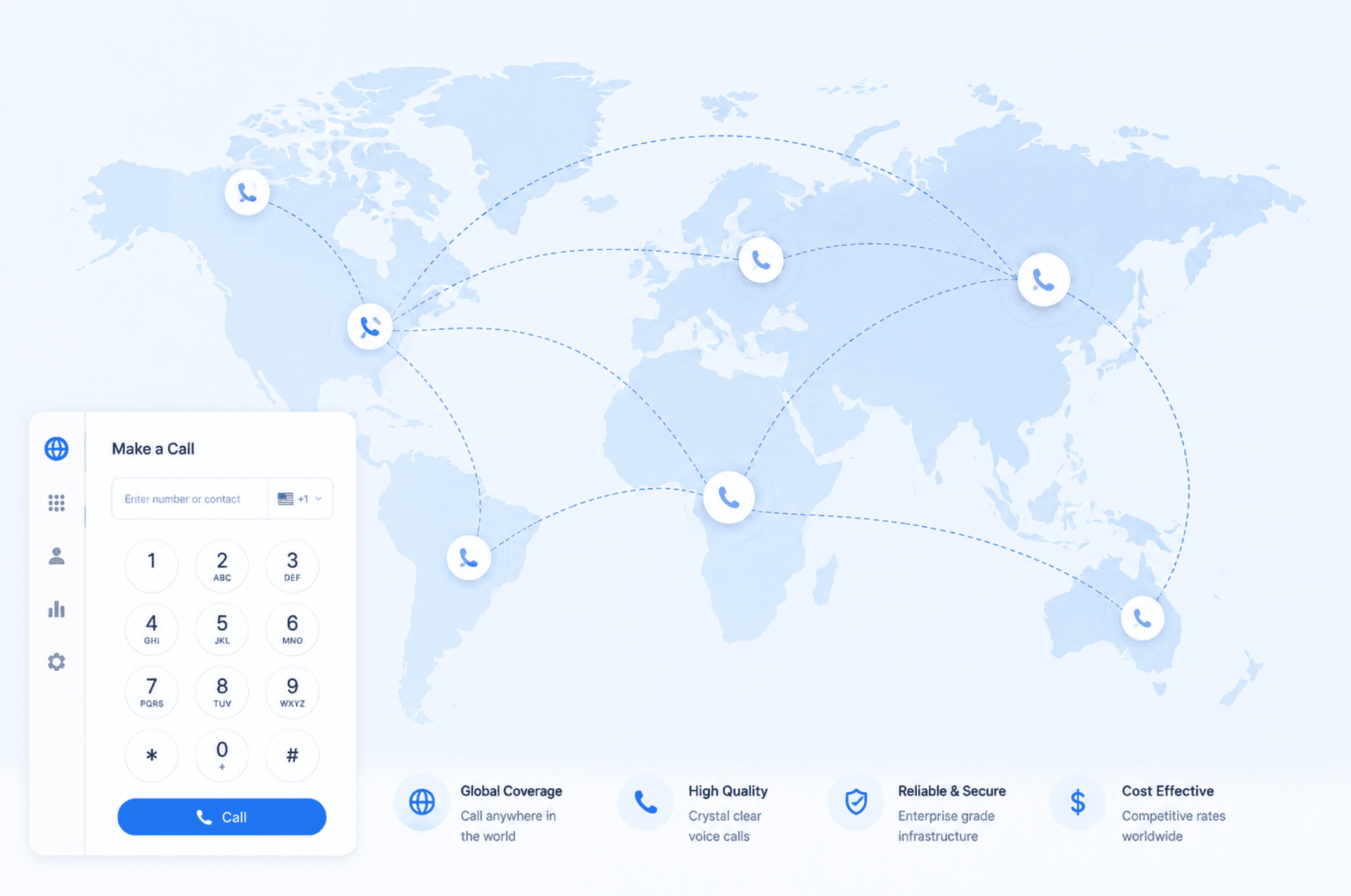
Low rates to 190+ destinations
Clear per minute pricing, shown before you dial. Pay as you go, no monthly fee.
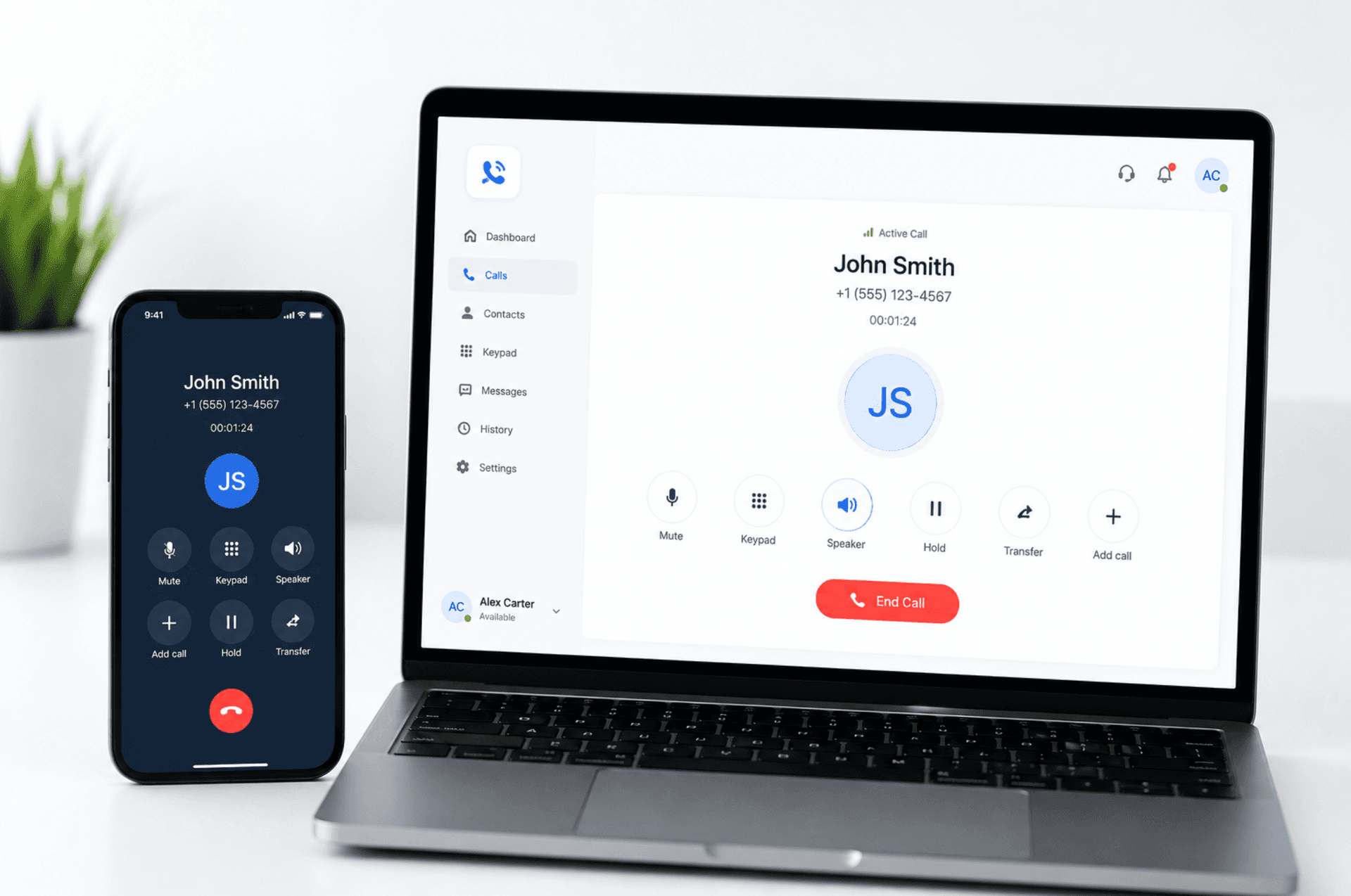
One balance, every device
Start on your laptop, continue on your phone, all at the same low rate.