Cruise Ship WiFi Calling Tips That Cost Less
Dial straight from your browser in seconds and pay only for the minutes you talk. Nothing to install, and outbound calls need no phone number.
Product facts
- Outbound: Dial out at cheap per minute rates, no dedicated number required.
- Inbound: Add a US/Canada digital number ($2.14 to $5/month).
- No apps: Runs in Chrome, Safari, Edge, Firefox.
Pricing facts: Calling over cruise ship WiFi
- Outbound calling: Reach any country at cheap per minute rates. No dedicated number required.
- Inbound calling: Answer calls in your browser by adding a unique US or Canada digital number ($2.14 to $5/month).
- App-free: Opens right inside Chrome, Safari, Edge, or Firefox.
How to Call Affordably from a Cruise Ship
Walk through these quick steps for dependable, budget friendly calls onboard with Intercalling.
Check Your Connection
Look at the ship WiFi signal and which service tier you are on. While docked in port, lean on local WiFi for the lowest latency. If the vessel runs on satellite, plan for more delay and set your expectations to match.
Open Your Browser
Load Intercalling in Chrome, Safari, or Firefox. WebRTC bridges you to the public PSTN network, so you can ring ordinary phone numbers with no app to install.
Tune the Audio
Plug in a headset, switch on echo cancellation in your browser when it is offered, and mute yourself between turns. With tight bandwidth, stick to audio-only and skip any parallel streaming or large downloads.
A Quick Pre-Call Checklist
Run a connection test, step toward a stronger signal, quit other apps that eat bandwidth, and double check your microphone and speaker settings in the browser. If you plan to call often while cruising, a virtual number keeps you reachable for just a few dollars a month.
Smart Tips for Clear, Low Cost Calls at Sea
Ways to cut interruptions and keep voice calls steady, and your spend low, while you cruise.
Pick the Right Moment
Steer clear of busy windows such as evenings or when crowds are streaming. Early mornings, or any time the ship sits in port, usually deliver the lowest latency.
- Run a fast speed test before you dial
- Shut down high-bandwidth apps
- Hook into a cabin router by cable where you can
Lean on Intercalling Features
Intercalling links your browser to the PSTN so you can ring landlines and mobiles at low per minute rates. Pick up a virtual number to receive calls, and turn on Clear audio for real-time transcripts and suggested replies whenever the connection wobbles.
Global Reach
Ring any number worldwide from your browser at cheap per minute rates.
Secure
Encrypted connections keep your conversations private on public WiFi.
Browser and Device Settings
A short list of settings worth confirming before you call from the ship.
Mic Access
Grant your browser microphone access and check the mic level in audio settings. Flip the browser permission off and on if the page needs a refresh.
Disable VPNs
A VPN can pile on latency. When calls sound rough, switch the VPN off or pick a closer server to trim the delay.
Audio Codec
When your browser or device lets you choose a codec, go with one tuned for low bandwidth or heavy packet loss conditions.
Why Intercalling Is a Smart Pick at Sea
Intercalling ties your browser to traditional phone networks through WebRTC and a solid PSTN backbone, all on pay as you go pricing. Nothing to install, virtual numbers let you take incoming calls, and real-time analytics keep an eye on connection quality while you are at sea.
- Browser calling with zero installs
- Virtual numbers for inbound calls
- Clear audio for live transcripts and suggestions
- Real-time connection diagnostics
Instant Setup
Log in and place a browser call within seconds.
Worldwide Reach
Dial any landline or mobile at low rates, wherever you are at sea.
Secure
Encrypted connections shield your calls across public networks.
Receive Calls
Add a low cost virtual number to take incoming PSTN calls in your browser while connected.
Frequently Asked Questions
Does Intercalling work on any cruise line?
Yes. Because Intercalling runs in a web browser, it works on any ship that offers internet access. Call quality tracks the ship network type and how strong the signal is.
Can my usual phone number still reach me at sea?
Point inbound calls to your browser with an Intercalling virtual number or call forwarding whenever you have a connection. That way people can reach you and you sidestep roaming charges.
What happens if the ship runs on satellite internet?
Satellite links tend to carry more latency. For calls that matter, hold out for shore WiFi or switch to audio-only mode with a headset to soften the impact of packet loss.
Will I have to tweak my browser settings?
Allow microphone access, check your audio devices, and turn off any VPN that adds latency. If trouble lingers, refresh the page or jump to a different browser.
Ready to call from your cruise for less?
Sign up and start dialing from your browser on pay as you go rates. No app installs. No tangled setup.
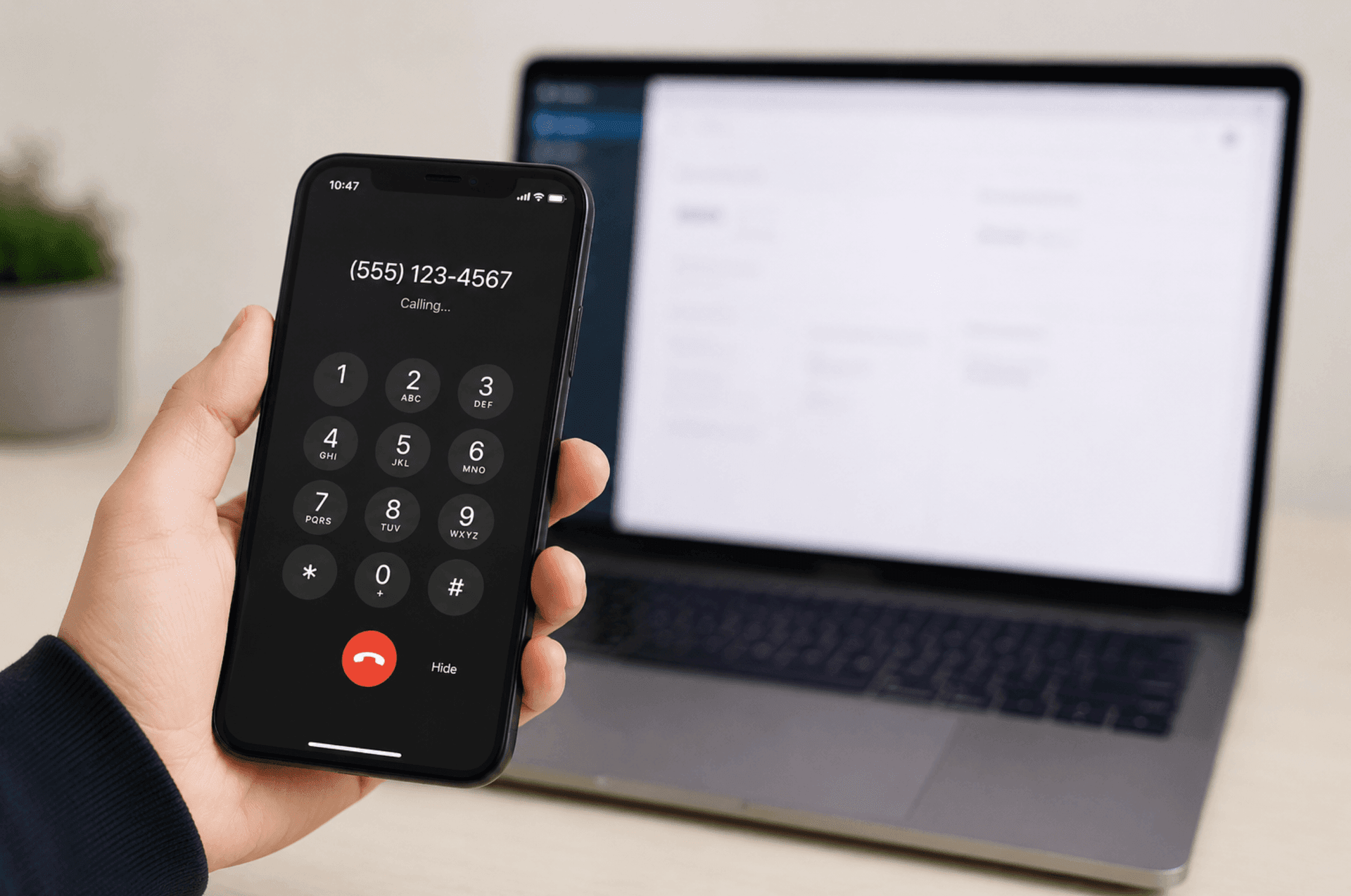
Call from any browser
No app and no SIM. Place the call from your computer or phone in seconds.
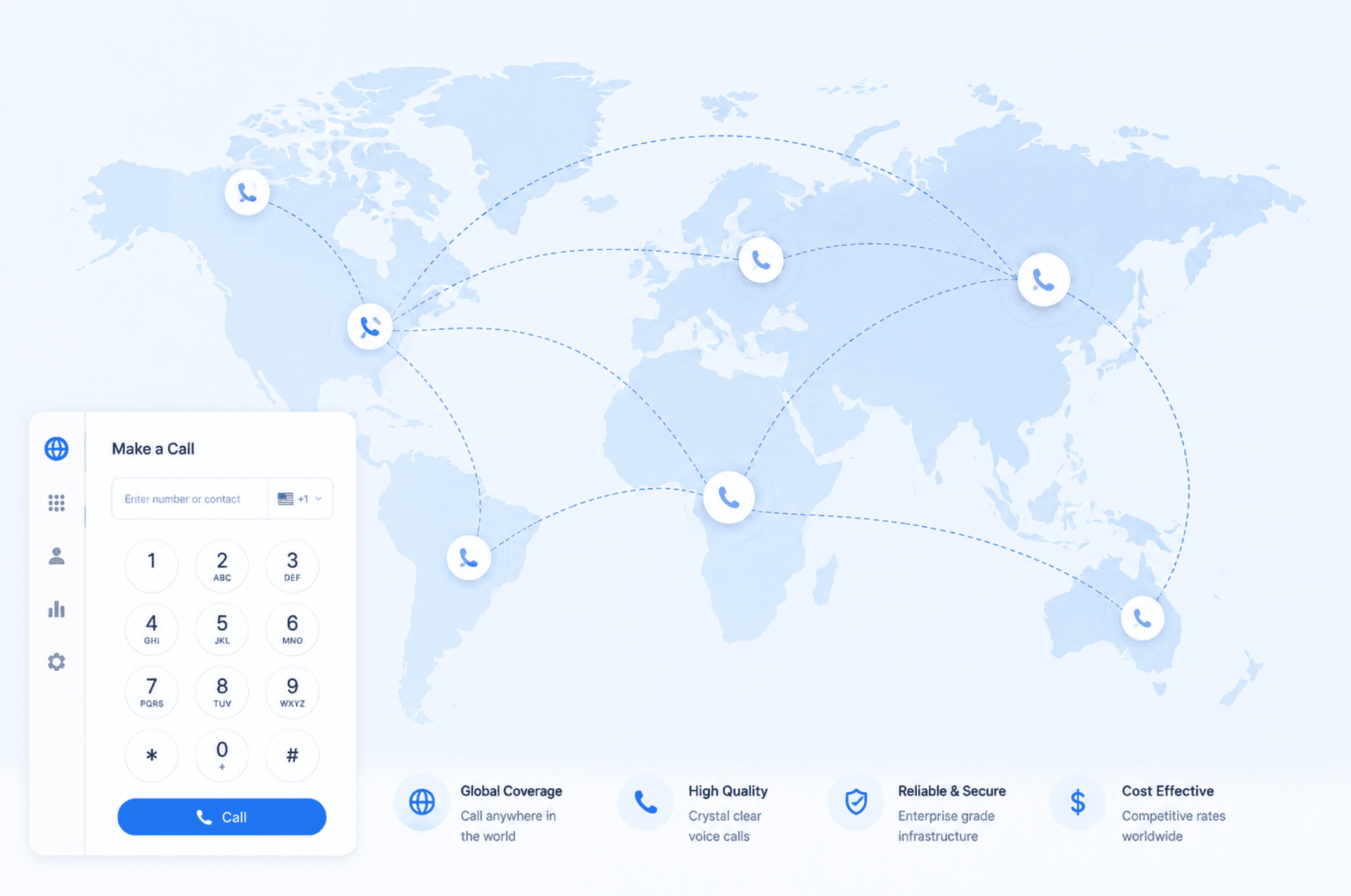
Low rates to 190+ destinations
Clear per minute pricing, shown before you dial. Pay as you go, no monthly fee.
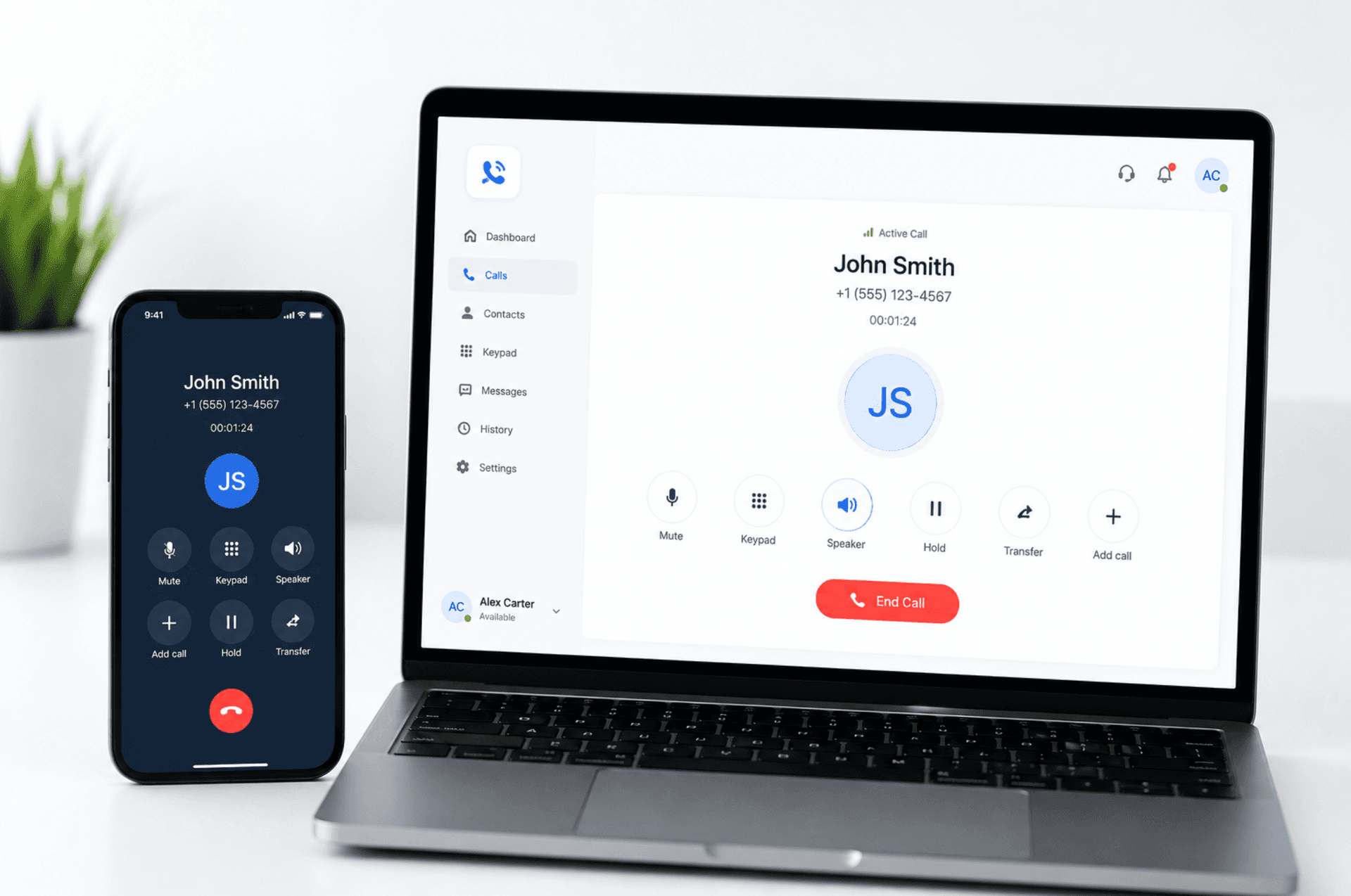
One balance, every device
Start on your laptop, continue on your phone, all at the same low rate.