Browser SIP Calling over WebSocket, Priced by the Minute
Dial straight from a browser tab and pay only for the minutes you use. Nothing to install, and a number is needed only when you want to receive inbound calls.
Product facts
- Outbound: No dedicated number needed.
- Inbound: Requires US/Canada digital number ($2.14 to $5/month).
- No apps: Works in Chrome, Safari, Edge, Firefox.
What is SIP over WebSocket?
With SIP over WebSocket, ordinary SIP signaling travels inside WebSocket frames, letting up to date browsers register as SIP clients. Pair that with WebRTC media and you get genuine telephony running straight in the browser.
Native to the Browser
Skip plugins and installers. Chrome, Firefox, Edge, and Safari can place and receive SIP calls straight from the web, while Intercalling manages the SIP over WebSocket client stack on your behalf.
Global PSTN Reach
Intercalling links WSS to Twilio and SIP trunks, so calls from your browser connect to any phone number on earth. Handle virtual numbers and inbound routing from the dashboard.
AI and Analytics
Switch on live copilot assistance, transcriptions, and real-time analytics over SIP over WebSocket to drive smarter voice workflows.
How Intercalling delivers SIP over WebSocket
A standard call path links the browser to the PSTN with secure WebSocket signaling and WebRTC media. Intercalling coordinates every piece, so calling stays your only concern.
Step by step
- The browser opens a secure WebSocket (WSS) to the Intercalling signaling gateway.
- Intercalling converts that WSS SIP signaling into standard SIP messages for Twilio or your own SIP trunk.
- WebRTC negotiates the media, which then routes through Intercalling or Twilio as needed.
- Twilio bridging carries the call to PSTN numbers, and call events flow back to power analytics and AI features.
Built for Developers
Intercalling hands you tokens and SDKs to register browser clients over SIP over WebSocket. Wire it up fast and subscribe to webhooks for call events, recordings, and transcriptions.
Secure and Reliable Calling
SIP over WebSocket travels over TLS, and Intercalling protects media with SRTP. We connect through Twilio and run hardened gateways to keep calls intact and available.
Encrypted Signaling
WSS over TLS protects every SIP message moving between browser and gateway.
Secure Media
SRTP scrambles audio streams so your media stays private.
Monitoring
Live analytics track call quality and usage, with alerts when something needs attention.
Ways Teams Put It to Work
With nothing more than a browser, SIP over WebSocket opens up fresh workflows across sales, support, and voice automation.
Contact Centers
Agent consoles live in the browser, complete with live AI assistance and call recording.
Remote Teams
Sales and support staff place secure PSTN calls from any device, no softphone required.
Voice Automation
Put the Intercalling voice AI stack to work handling inbound or outbound SIP calls automatically.
Frequently Asked Questions
Which browsers can run SIP over WebSocket?
Current browsers such as Chrome, Firefox, Edge, and Safari all support WebSocket and WebRTC. Intercalling checks the common setups so compatibility is covered.
Does my firewall need special ports opened?
Configured with WSS, SIP over WebSocket rides standard HTTPS ports, which keeps firewall headaches to a minimum. Media uses RTP across standard ranges, all documented by Intercalling for your network setup.
Will my current SIP provider still work?
Yes. Intercalling can bridge WSS SIP signaling to Twilio and to many SIP trunks, letting you keep the SIP infrastructure you already have while adding browser endpoints.
How does voice AI work with SIP calls?
Intercalling can run autonomous voice agents for outbound campaigns, or act as a live copilot mid call by transcribing audio and proposing responses in real time.
Ready to take SIP into the browser?
Create an account to switch on SIP over WebSocket and get instant browser based calling, AI features, and worldwide PSTN reach at pay as you go rates.
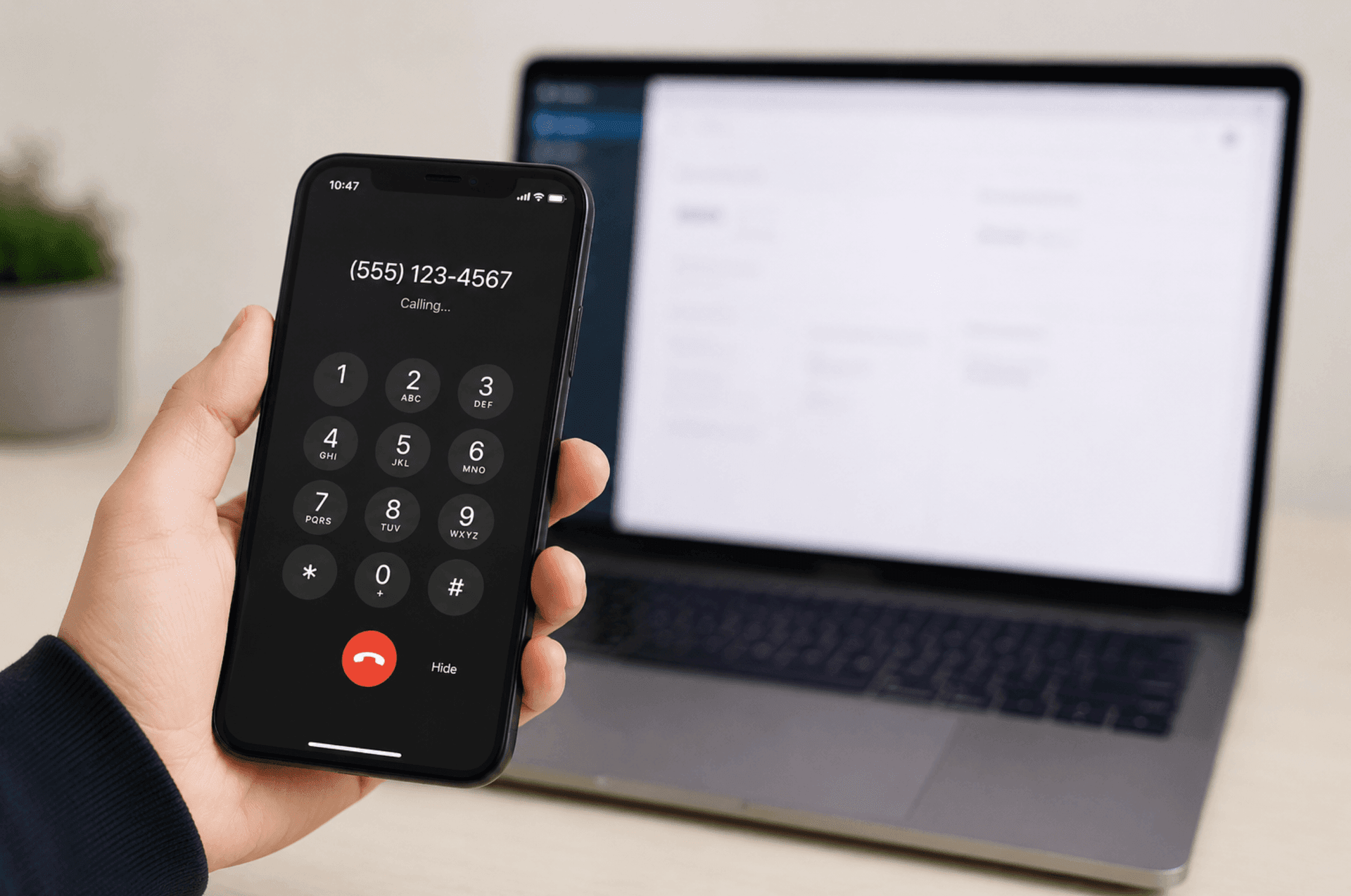
Call from any browser
No app and no SIM. Place the call from your computer or phone in seconds.
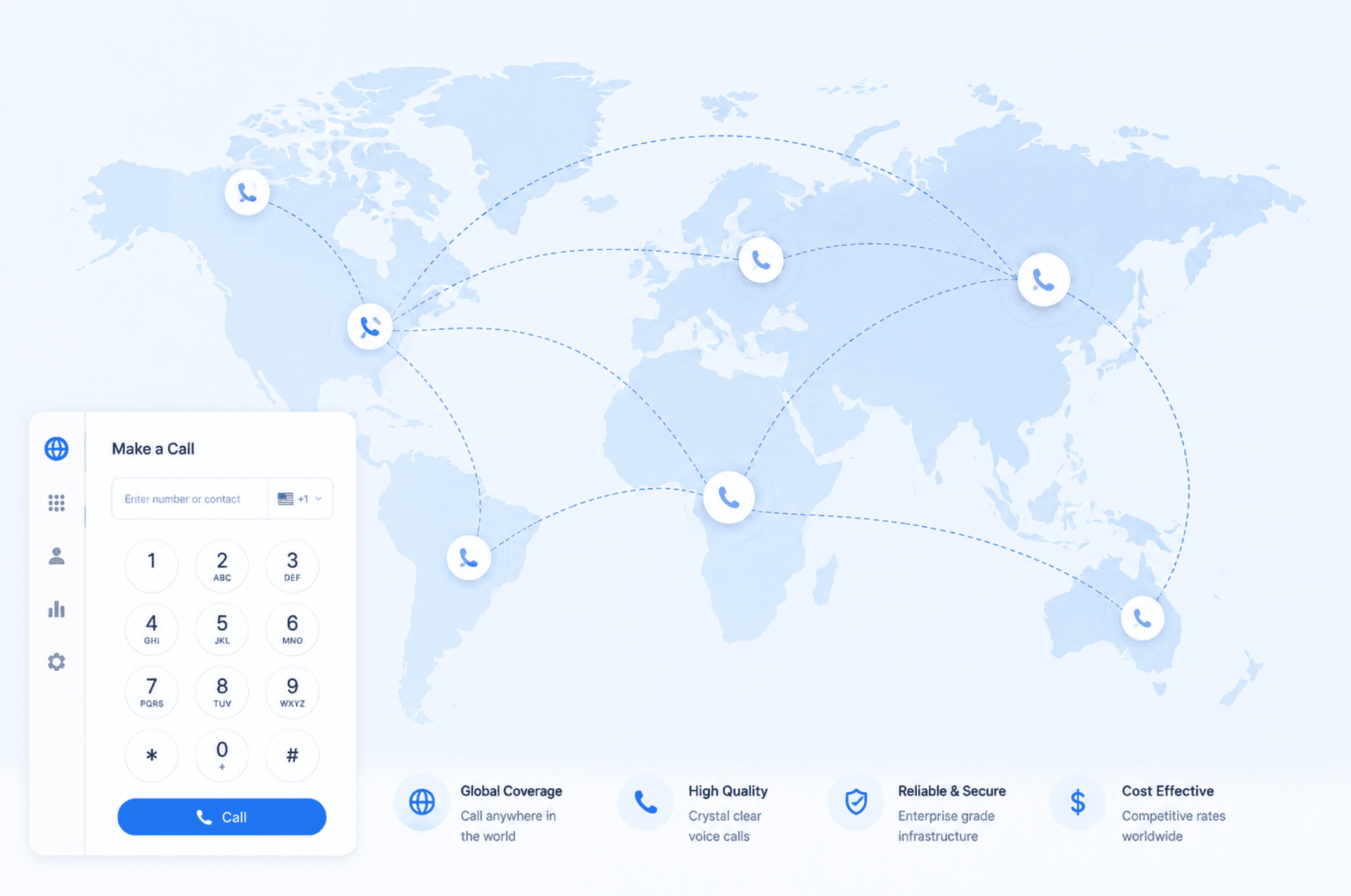
Low rates to 190+ destinations
Clear per minute pricing, shown before you dial. Pay as you go, no monthly fee.
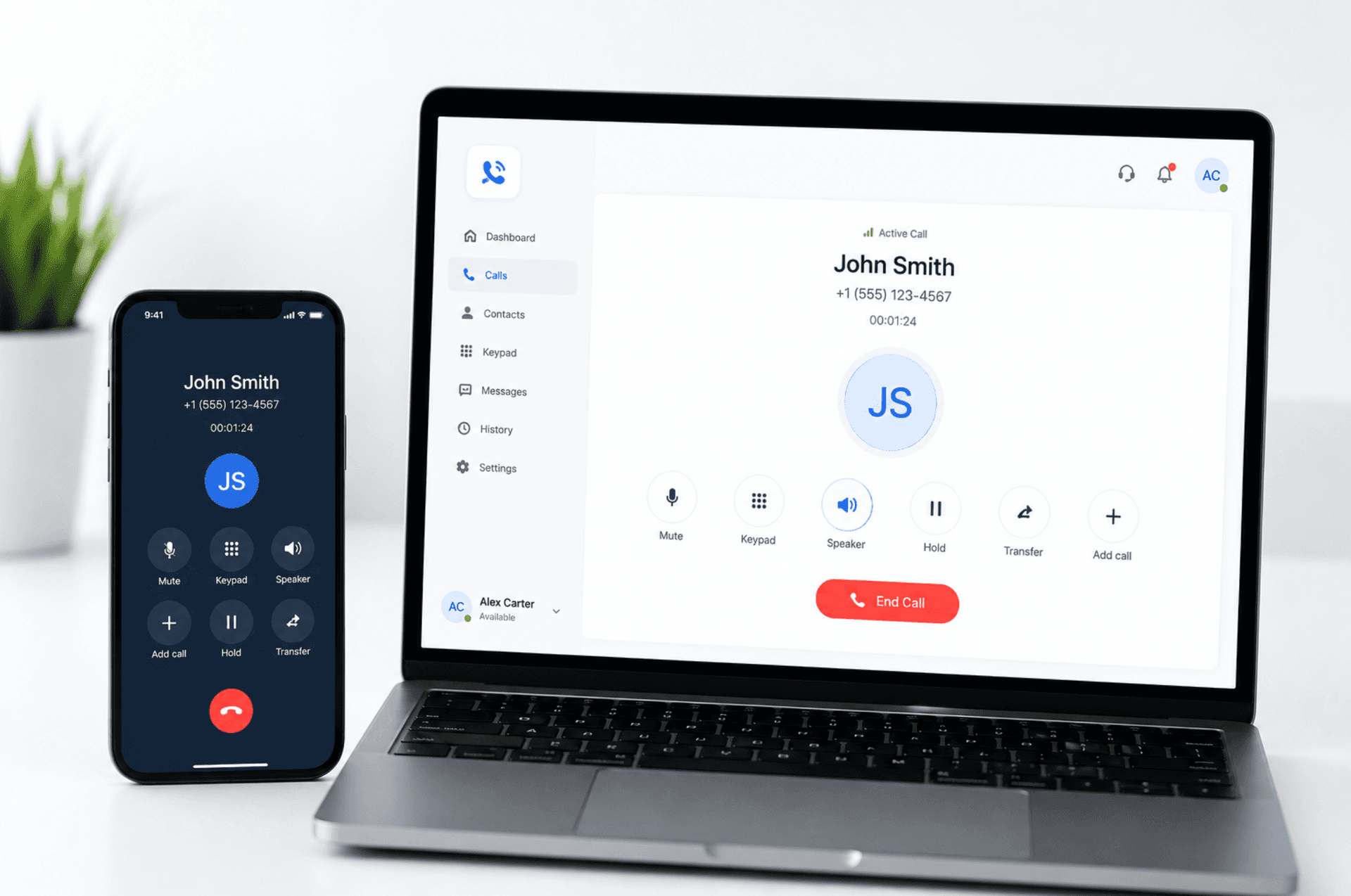
One balance, every device
Start on your laptop, continue on your phone, all at the same low rate.