WebRTC vs.
Traditional VoIP
More teams are leaving legacy SIP softphones behind for WebRTC, and Intercalling runs on it. You get lower latency, encryption that is always on, and HD audio straight from the browser, all on cheap per minute pay as you go pricing.
Security
Network Adaptability
Latency
How WebRTC Keeps Calls Private
Traditional VoIP, built on SIP, goes back to the 90s, when encryption was never treated as a baseline requirement. That gap leaves it open to packet sniffing and eavesdropping.
WebRTC was designed for today's web. It relies on DTLS (Datagram Transport Layer Security) to exchange keys and SRTP (Secure Real-time Transport Protocol) to carry media. Strip the encryption away and a WebRTC connection will not even start.
- Security without a VPN
- End-to-End Encryption support
- Runs sandboxed inside the browser
Where the Opus Codec Wins
G.711 (Legacy)
The codec behind traditional phone lines. Its bitrate is fixed, so the moment your connection dips, audio drops out or turns robotic.
Opus (WebRTC)
Its bitrate flexes to match your network in real-time, holding clear audio even over 3G/4G connections.
Hear WebRTC for Yourself
Place a call from your browser right now and hear how clear cheap pay as you go calling can sound.
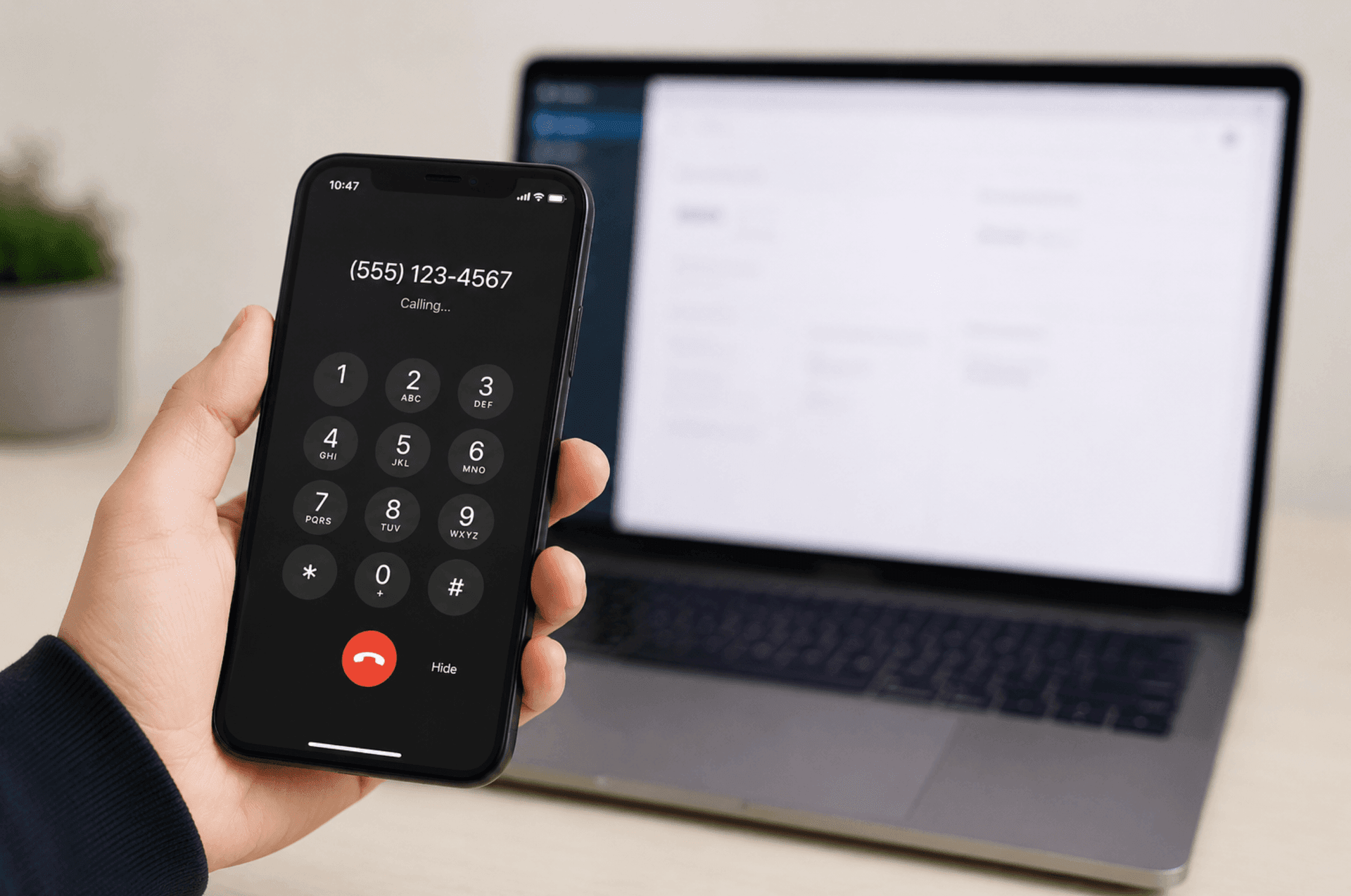
Call from any browser
No app and no SIM. Place the call from your computer or phone in seconds.
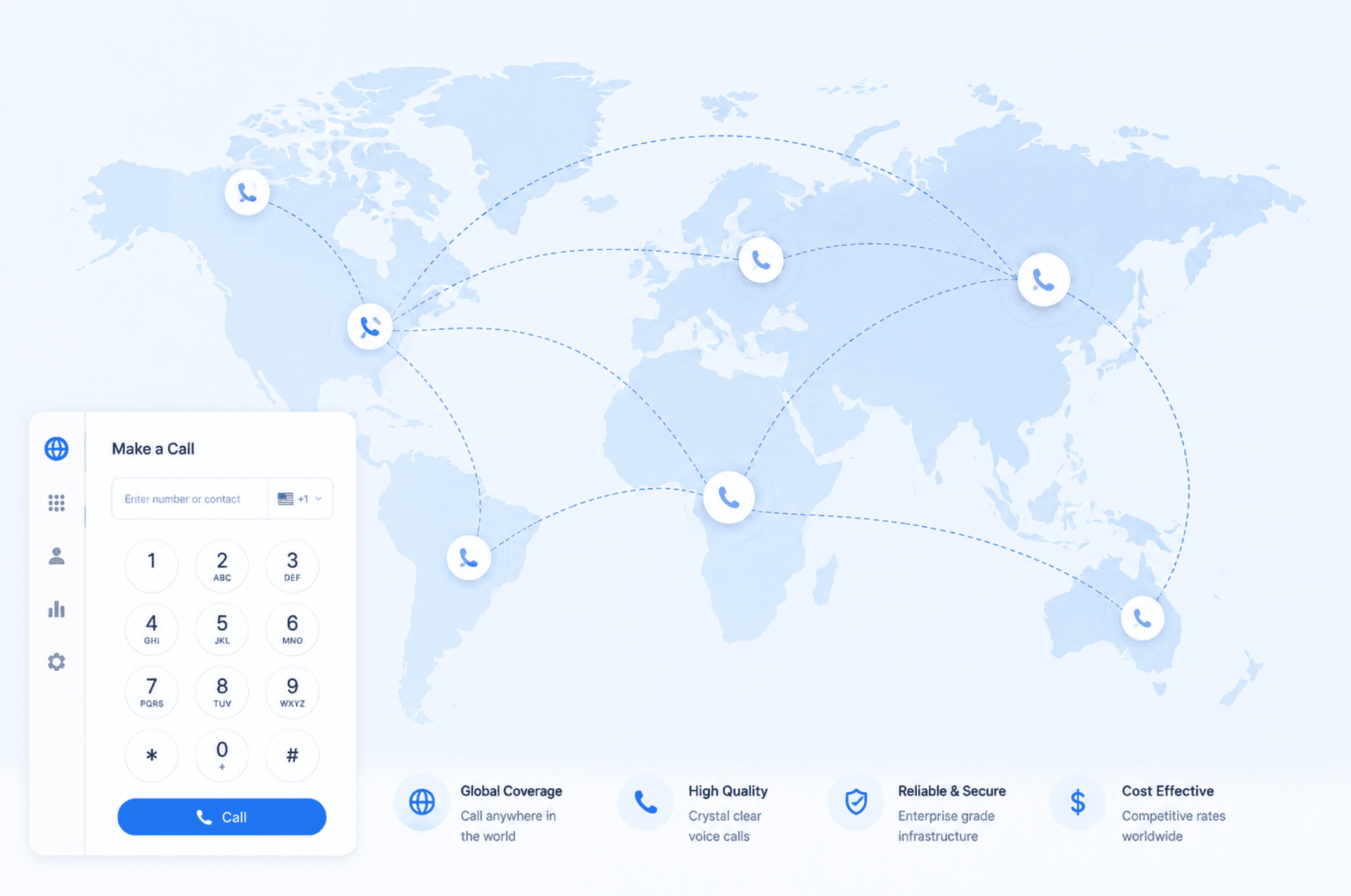
Low rates to 190+ destinations
Clear per minute pricing, shown before you dial. Pay as you go, no monthly fee.
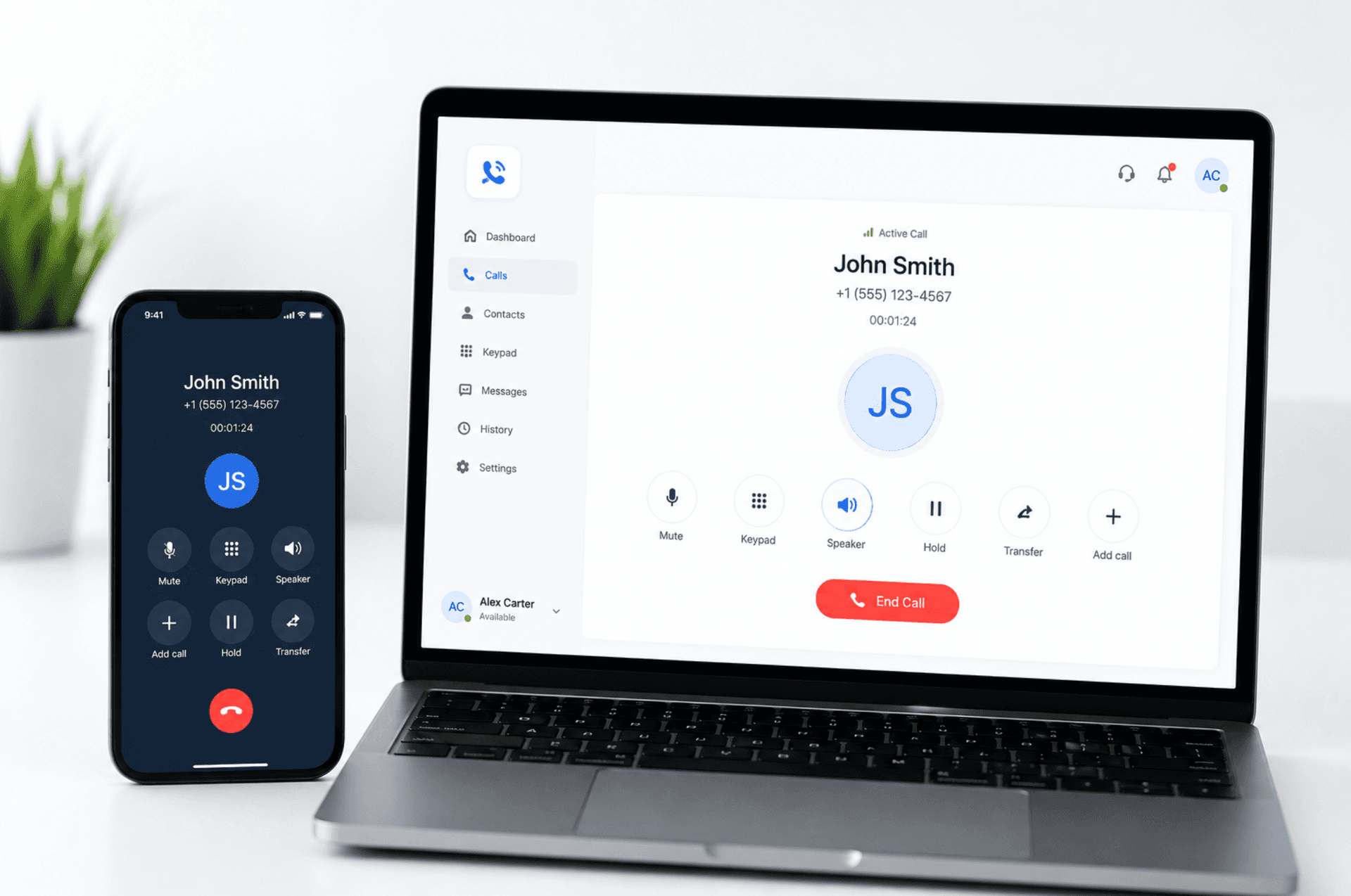
One balance, every device
Start on your laptop, continue on your phone, all at the same low rate.